Biden’s Exit Shakes Global Stage: What it Means for the UK and Beyond


Joe Biden’s unexpected withdrawal from the U.S. presidential race has added a new layer of unpredictability to global politics, just as Western leaders, including those in the UK, grapple with conflicts in Ukraine and Gaza, a more assertive China, and the rise of far-right movements across Europe.
Throughout his fifty-year career, Biden has cultivated extensive relationships with numerous foreign leaders—connections that his potential Democratic successors lack. Following his announcement, expressions of support and gratitude for his years of service poured in from leaders around the world, including those from Downing Street, reflecting his deep international influence.
The incoming U.S. president will face significant foreign policy challenges, underscoring the profound impact of American politics on global affairs. Let’s take a look at some of the critical issues that will particularly concern the UK.
In Israel, Kamala Harris, the current Vice President, is being considered a potential successor to Biden. Israelis are particularly interested in how her potential presidency might affect their nation, especially given the increased global scrutiny over its military actions against Hamas. Israel’s left-leaning newspaper, Haaretz, has been dissecting Harris’ record, noting her reputation as Biden’s “bad cop” due to her vocal criticism of Israel’s offensive in Gaza. She has called for a ceasefire, condemned actions in Rafah, and expressed concern over civilian casualties.
Alon Pinkas, a former Israeli consul general in New York, remarked, “With Biden stepping down, Israel has lost perhaps the last Zionist president.” Biden’s unwavering support for Israel has been a hallmark of his career. Israeli Defence Minister Yoav Gallant and President Isaac Herzog have both expressed their gratitude for Biden’s steadfast support, particularly during the ongoing conflict.
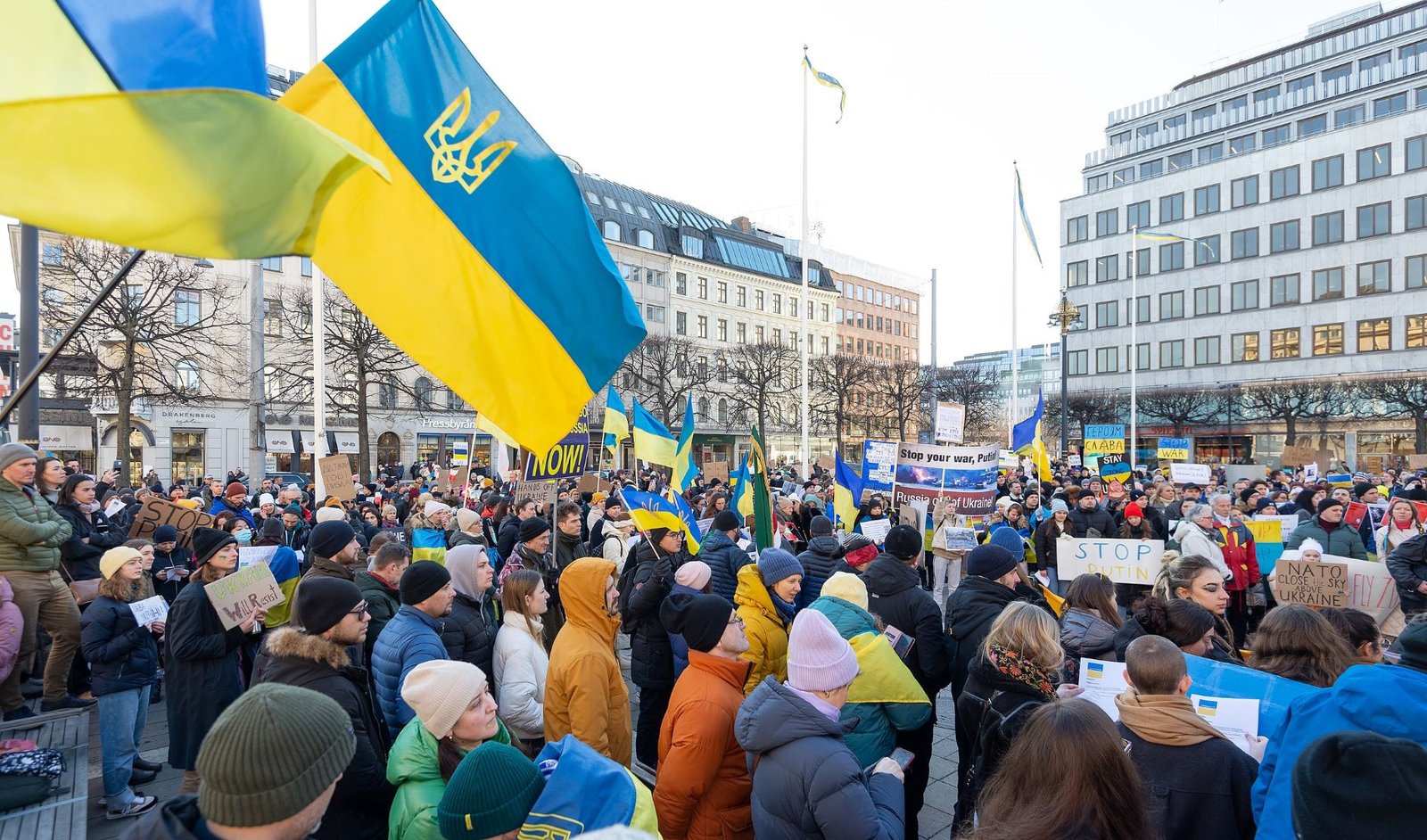
In Ukraine, the expectation is that any Democratic candidate will likely continue Biden’s strong military support. However, frustration is mounting in Ukraine and Europe over the slow pace of U.S. aid and restrictions on the use of Western weapons. Ukrainian President Volodymyr Zelenskyy respected Biden’s “tough but strong decision” to exit the race and thanked him for his efforts in preventing Russian President Vladimir Putin from occupying Ukraine. The potential return of Trump, who has vowed to end Russia’s war on Ukraine within a day, raises significant concerns in Ukraine about their territorial integrity.
Meanwhile, Russia remains largely dismissive of the U.S. presidential race. Kremlin spokesman Dmitry Peskov indicated that Moscow would proceed with its agenda regardless of the outcome in Washington.
Turning to China, both Biden and Trump have been trying to show they can best counter Beijing’s military expansion and economic strategies. Biden has increased tariffs on Chinese electric vehicles, while Trump has proposed even steeper tariffs on all Chinese goods. Despite ongoing tensions, China’s official response to Biden’s withdrawal has been cautious, with state media downplaying the significance of his decision.
In the Middle East, the U.S. faces a volatile situation as Iran’s proxies engage in conflicts throughout the region. The Israel-Hamas war has seen significant involvement from Iran-backed groups like Hezbollah, raising fears of a broader regional war. Despite Biden’s efforts to reverse Trump’s hard-line stance on Iran, his administration has maintained strict sanctions and failed to renegotiate the nuclear deal. The sudden death of Iran’s hard-line president Ebrahim Raisi and the rise of reformist Masoud Pezeshkian have introduced new dynamics and risks.
In Europe, Biden’s presidency was welcomed after Trump’s tumultuous tenure, marked by criticism of the European Union and NATO. Biden’s decision to withdraw from the race has been met with mixed emotions. Leaders like Polish Prime Minister Donald Tusk and UK Prime Minister Keir Starmer have expressed respect for his choice, but there is apprehension about NATO’s future support for Ukraine and countering other authoritarian threats.
In Mexico, the relationship with the U.S. has been strained by disagreements over trade, energy, and climate change. President Andrés Manuel López Obrador, who has maintained a cooperative stance on migration with both Trump and Biden, expressed his ongoing support for Trump, cautioning him against anti-migrant rhetoric.
As the world watches these developments unfold in the U.S. presidential race, the international community, including the UK, remains on edge, anticipating how the next American leader will navigate these complex global challenges. For Britain, which closely monitors the foreign policy shifts in Washington, the implications of Biden’s withdrawal will be felt keenly across the diplomatic and geopolitical landscape.
Image: Courtesy of Creative Commons