TSB sale to Santander could reshape UK high‑street banking

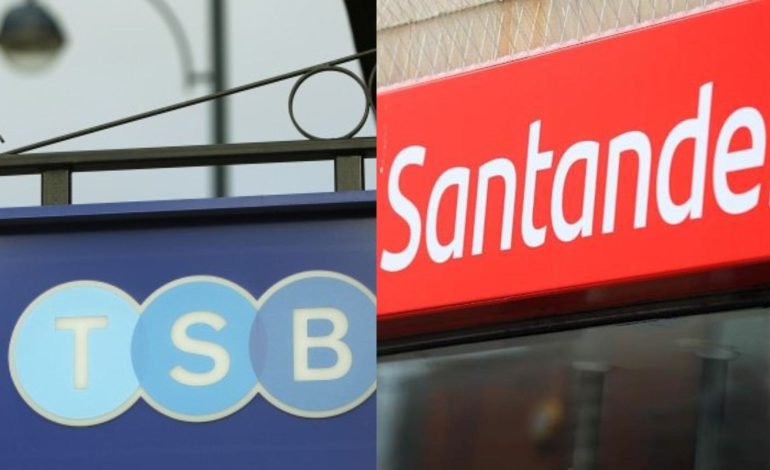
Today’s announcement that the TSB sale is likely to see its brand disappear from UK high streets marks a significant shift for British banking. The Spanish owner, Banco Sabadell, confirmed its intention to sell TSB for £2.65 billion to Santander, a move that if approved could make Santander the third-largest player in personal current accounts across Britain, following Lloyds and HSBC.
Customers across the country with TSB accounts realise their current branch experience might change. Santander has confirmed “business as usual” for now, but it didn’t rule out branch closures or job losses. A spokesperson emphasised: “There will be duplication, particularly in back office roles… Where there is an impact on people this will be communicated directly to affected colleagues.”
Santander UK already operates around 349 branches, while TSB has 175 branches and 5,000 employees. With digital banking increasingly the norm, Chancellor branches in close proximity or under-used high-street locations are likely to be consolidated. Santander’s spokesperson explained that “it would make no sense to have two branches of the same bank in any one community.”
The deal, expected to close in the first quarter of 2026, could reach £2.9 billion once TSB’s profits are taken into account. TSB chief executive Marc Armengol described it as “the next exciting chapter for this successful business, as part of Santander.” He added, “I believe it would be an excellent fit for our loyal customers.” However, the fate of the TSB name remains uncertain, with Santander stating that branding details will be decided post‑completion.
Santander’s acquisition strategy isn’t new. The group previously absorbed Abbey, Bradford & Bingley, and Alliance & Leicester into its UK operations. The announcement of the TSB sale underlines the bank’s long-term confidence in the UK market, as noted by Santander Group’s executive chair, Ana Botín.
TSB itself has a turbulent history. Born from Lloyds Banking Group’s forced divestment during the post‑financial crisis roll-out, it was sold to Sabadell in 2015. But the bank’s 2018 IT systems failure—when transferring 1.3 billion customer records—led to nearly £49 million in fines from the Financial Conduct Authority for “widespread and serious” failings. Sabadell has assured that TSB will continue using its current IT system “until migration” to ensure operational stability throughout the transition.
While it is a strategic decision by Sabadell to focus on defending against a hostile bid by Spain’s BBVA, the TSB sale raises questions for customers: What will happen to local branches? Will customer service standards change? And what about continuity with digital access and data handling? It’s a transition period best watched closely by those who bank at TSB or rely on its presence in their community.
Santander’s history of UK banking acquisitions, including Abbey and Alliance & Leicester, is outlined on their corporate heritage timeline, which reflects the bank’s long-term strategy in the British market.
For more business & money insights visit EyeOnLondon. We’d love to know your experiences and views in the comments below.
Follow us on:



Subscribe to our YouTube channel for the latest videos and updates!

We value your thoughts! Share your feedback and help us make EyeOnLondon even better!