Terror bird fossil offers new insights into ancient South America

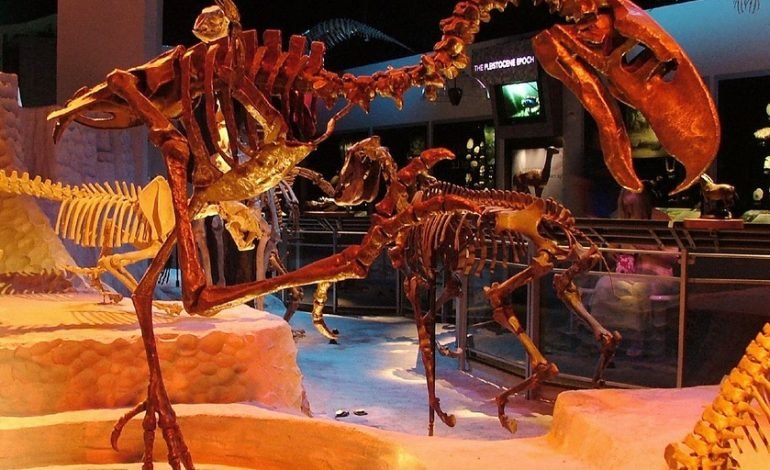
A remarkable discovery has shed light on South America’s ancient wildlife, offering a glimpse into the prehistoric world of terror birds. A team of researchers, including evolutionary biologist Siobhán Cooke from Johns Hopkins University, have analysed a fossilised leg bone of a giant, meat-eating bird believed to be the largest known of its kind. The fossil, found in Colombia’s Tatacoa Desert, is thought to represent a northernmost range for the terrifying species, previously only known from the southern parts of South America.
This particular terror bird, a member of the Phorusrhacidae family, likely measured 9 feet tall, making it up to 20% larger than previously identified species. “Terror birds were powerful ground-dwelling predators with adaptations for running,” explains Cooke. “They were primarily carnivorous, preying on other animals.”
The fossil itself, dated to the Miocene epoch around 12 million years ago, was discovered nearly 20 years ago by Colombian curator Cesar Augusto Perdomo. However, it wasn’t until 2023 that its true identity was recognised as belonging to a terror bird. Using cutting-edge scanning technology from Johns Hopkins, the team reconstructed a 3D model of the specimen, allowing for a deeper analysis of its characteristics.
The leg bone, the distal end of a tibiotarsus, shows distinctive features associated with Phorusrhacids, including deep pits and bite marks likely inflicted by an extinct caiman, Purussaurus, a massive predator that could reach lengths of up to 30 feet. Cooke suggests that these injuries may have contributed to the bird’s demise.
This fossil suggests that terror birds were an important part of the region’s prehistoric ecosystem, which also included primates, giant ground sloths, and armadillo-like glyptodonts. Unlike today’s desert landscape, the area was once characterised by meandering rivers and a rich, diverse habitat. Cooke reflects, “It would have been fascinating to walk through an environment teeming with such extraordinary creatures.”
This discovery not only expands our understanding of ancient South American wildlife but also raises the possibility that other unidentified fossils may yet be found to belong to terror birds, broadening our knowledge of these fascinating creatures.
Stay tuned to EyeOnLondon for the latest news and expert opinions.
Image: Amanda from Chicago, USA