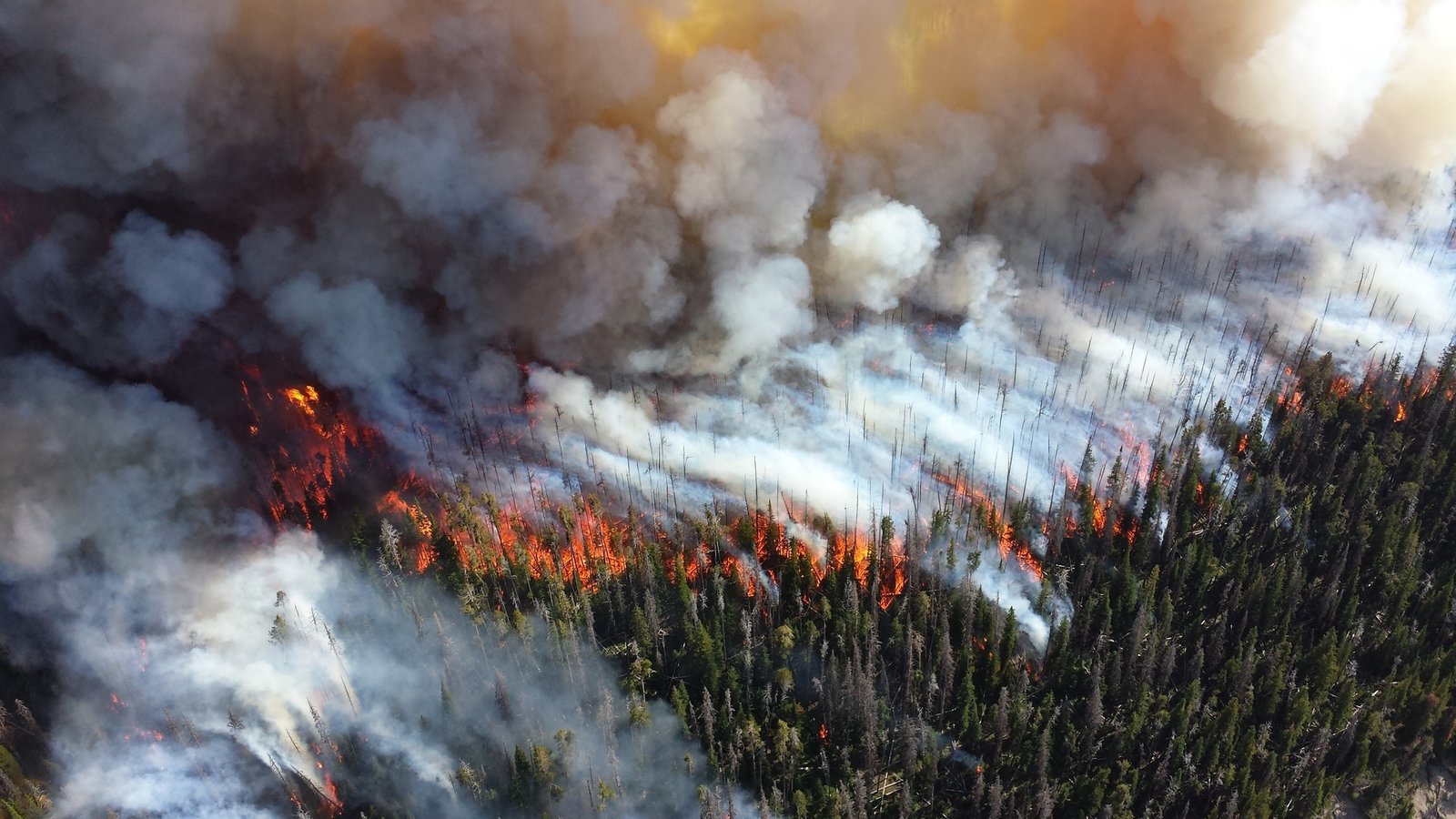
Pollinators in North America facing extinction

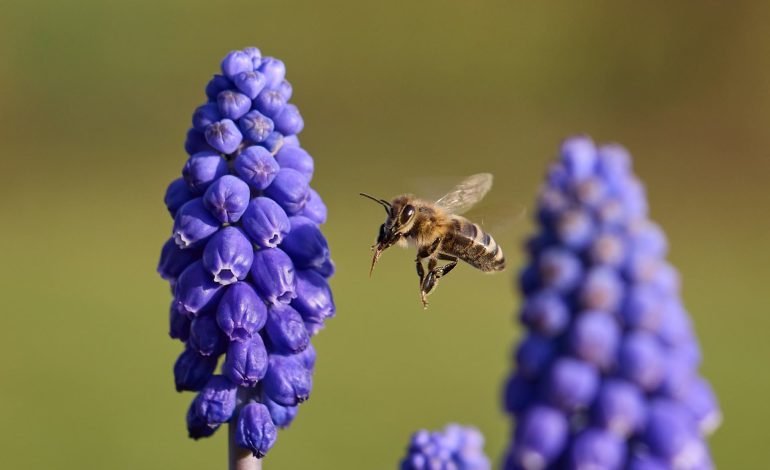
North American butterflies, bees, and moths are among the pollinators in the continent that are threatened with extinction. A report from a Canadian researcher has warned that around a fifth of these species are at risk in the continent.
Of the 759 pollinators in Canada that were studied, over a tenth were at some risk of extinction, the study published in the journal Proceedings of the National Academy of Science (PNAS). These species are crucial for food production and healthy ecosystems. In the US, it’s a similar story with 22.5% of the 1,579 assessed species facing some level of risk.
This is the most comprehensive look at pollinators and their conservation status in North America, according to John Klymko, scientist at Atlantic Canada Conservation Data Centre.
These species also include vertebrates such as hummingbirds and bats, as well as many insect species including bees. “Many plants are reliant on pollinators in order to reproduce,” Klymko said. The study said that they provide over $15 billion worth of food annually in North America.
Among those with a risk of extinction were bees. Of the 472 species of bees studied in Canada and the US, more than a third were at risk of extinction. 10 bee, 11 butterfly, and two moth species were classified as being “critically imperilled.”
“To have a broad diversity of pollinators is important because there’s a whole broad diversity of plants that need to be pollinated, and different species of pollinators will be more efficient at pollinating some plants compared to others,” Klymko said. “Certain species (pollinate) only a handful of plants. And so if you start to lose that diversity of pollinators, there are going to be plant species that are affected.”
Stay tuned to EyeOnLondon for the latest news and expert opinions.
Follow us on:



Subscribe to our YouTube channel for the latest videos and updates!

We value your thoughts! Share your feedback and help us make EyeOnLondon even better!