London’s Street Food History: From Broxy to Bao Buns

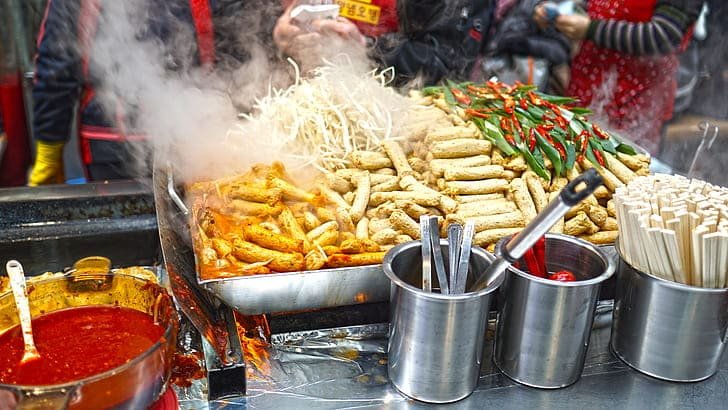
London’s street food scene is a colourful journey through history, offering a mix of flavours and traditions. While modern markets like Berwick Street, Borough and Seven Dials dominate the scene today, street food has long been a staple in the capital. The rise of contemporary street food has been called a “revolution, by the National Caterer’s Association (NCA) but London’s streets have been filled with food vendors for centuries. From the Roman streets to the bustling markets of today, food has always been sold on the go, feeding everyone from the poorest workers to the city’s elite. Here’s a look at some of London’s most iconic street foods that have stood the test of time.
Oysters: From Cheap Bites to Luxury Dining
Oysters were once the go-to street snack for Londoners of all classes, especially during the 18th and 19th centuries when they were as common as chips are today. Back then, vendors would hawk their wares on street corners, selling millions of oysters each year to the working class. It’s hard to imagine now, but oysters were considered the food of the poor, especially when sold at four for a penny. Even Charles Dickens made note of them in The Pickwick Papers, where characters feasted on them during their travels. What makes oysters special today is their transformation into a delicacy—a far cry from the simple street snack they once were.
Watercress: The Green Powerhouse of the Victorian Era
Known as the “poor man’s bread” in Victorian times, watercress was the original grab-and-go snack. Street vendors, especially young girls, would carry it around in baskets, selling it to hungry workers who needed a quick, healthy bite. Full of nutrients like vitamin C and iron, watercress packed more of a punch than many foods of the time. It even earned its place in literary works like London Labour and the London Poor, where Henry Mayhew detailed the lives of street sellers. While it was once a working-class staple, you can now find it in gourmet sandwiches at afternoon teas across the city, but its street roots remain.
Asparagus: A Springtime Favourite
Asparagus was one of the more luxurious vegetables you could find on the streets of London in the 19th century. Vendors sold it in bundles during spring, offering a seasonal treat that brought a bit of excitement to the streets after long winters. It wasn’t just for the wealthy, though—the working class enjoyed it too, often as a side or simple snack. In Victorian times, asparagus symbolised the start of warmer days, much like it still does today in the high-end restaurants of London. Its journey from the street to the table is a reminder that even the simplest of foods can evolve into something special.
Broxy: When Food Was Scarce
Broxy might not sound appetising to us now, but during times of scarcity, it was a lifeline for many Londoners. This was the meat of animals that had died from disease, and while it was far from gourmet, it was affordable. Sold in street markets to the poorest of the poor, broxy filled the bellies of those who couldn’t afford fresh cuts of meat. Though it’s rarely mentioned in the literature of the time, it played a key role in sustaining the city’s working class during tough periods.
Pigs’ Trotters: A Handy Snack
Pigs’ trotters were another cheap and filling snack sold by vendors across the city. Boiled and served hot, they were easy to carry and eat, making them a popular choice for workers on the go. London’s street vendors thrived on providing practical food like this, and trotters, with their gelatinous texture and rich flavour, fit the bill perfectly. While pigs’ trotters aren’t as common today, their legacy lives on in British cuisine, particularly in traditional dishes.
London Particular: Soup for the Working Class
Named after the “pea-souper” fogs that once blanketed London’s streets, London Particular was a thick, hearty soup made from split peas and ham. It was a staple of street vendors, offering warmth and nourishment to Londoners during cold, damp days. The soup’s name even made its way into Charles Dickens’ Bleak House, where it was used to describe the thick, yellow fog that was so typical of the city at the time. While it’s no longer sold from carts, you can still find London Particular in restaurants, serving as a nostalgic nod to its origins.
Hokey Pokey: London’s First Ice Cream
Before modern ice cream trucks, Londoners got their frozen treats from Hokey Pokey vendors. These sellers, many of whom were Italian immigrants, sold small scoops of ice cream from barrows, especially in the summer. The term “Hokey Pokey” was a corruption of the Italian phrase “ecco un poco,” meaning “here’s a little.” In winter, these vendors often switched to selling roasted chestnuts, adjusting to the changing seasons. However, the practice of serving ice cream in “penny lick” glasses—reusable cups that weren’t always washed—led to a health crackdown in the late 19th century.
Hot Peascods: A Medieval Street Food
Peascods, or boiled pea pods, were a common street food in medieval London. These simple, warm snacks were sold by vendors who roamed the streets calling, “Hot peascods!” They were cheap, filling, and nutritious, making them popular among the working class. Even in John Lydgate’s 15th-century poem London Lickpenny, street vendors are mentioned hawking their peascods alongside other everyday items. This medieval snack, while basic, was essential to those who needed something to eat on the go.
Whelks and Hot Eels: Victorian Staples
Victorian London’s street vendors sold all sorts of seafood, but whelks and hot eels were particularly popular. Whelks, which are sea snails, were usually pickled and served cold, while hot eels were boiled and sold fresh from the pot. Both were affordable and easy to prepare, making them a hit among the city’s working-class residents. These seafood snacks were a common sight in the East End markets, where they were dished out to hungry crowds, often with a side of vinegar.
Jellied Eels: A Dish That Endures
Jellied eels may seem unusual today, but they have been a staple in the East End of London for centuries. This dish involves boiling eels in spiced stock, which forms a natural jelly as it cools. Jellied eels became popular in the 18th century, and their presence has endured, even as tastes have changed. Though some may find them an acquired taste, they remain an iconic part of London’s street food history.
From Historic Foods to Bao Buns: London’s Modern Street Food Scene
While traditional street foods like oysters and jellied eels still have a place in the London’s street food history, today’s street food scene is a mix of global influences. Bao buns, Korean fried chicken, and vegan tacos now share space with more traditional options. London’s street food continues to evolve, but its deep connection to the city’s history ensures that old favourites and new trends can coexist in the capital’s bustling markets.
For more updates on London’s street food history and insights into the city’s evolving street food scene, visit EyeOnLondon for the latest coverage on food, culture, and everything London.