Katherine le Fevre – The Forgotten Master Smith of the Tower of London

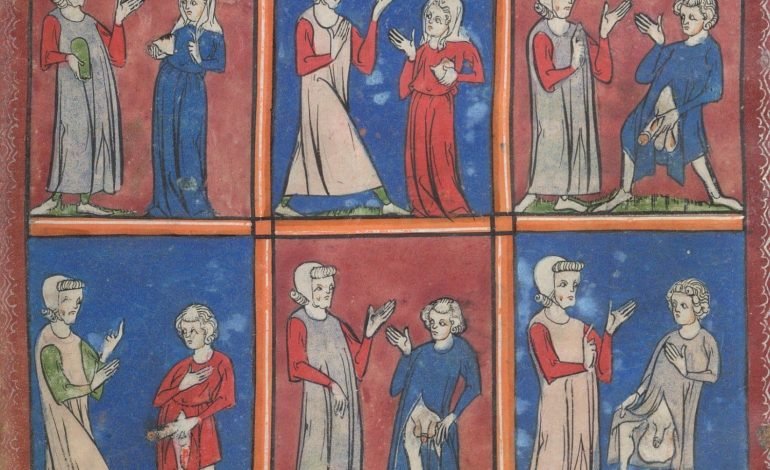
In the summer of 1346, the forge at the Tower of London was ablaze as England prepared for war with France. Amidst the intense heat and clanging metal, Katherine le Fevre, the master smith, oversaw the production of essential military supplies, including arrowheads, armour, and crossbow bolts. Katherine’s role was crucial in supporting the English forces during the Crécy campaign, yet her contributions, like those of many medieval women, have largely gone unnoticed. Her story is brought to light through the work of historian Lauren Johnson, featured in History Today.
Katherine le Fevre’s path to becoming master smith was unconventional. As the widow of Walter le Fevre and mother of Andrew le Fevre, Katherine had lived within the Tower, observing and likely assisting in the forge’s operations. In June 1346, while her son was away with the royal army, Katherine was officially appointed to maintain the king’s forge, earning eight pence a day. This royal appointment placed her in charge of a specialist workforce within the Tower, a role of significant responsibility during a critical period of war.
Although Katherine’s position as a female master smith was extraordinary, her experience reflected a broader reality for women in medieval trades. Despite societal restrictions, women often played essential roles in family businesses, contributing economically alongside their male relatives. Katherine’s work at the Tower of London exemplifies how women navigated and influenced the male-dominated world of guilds and trades, even though they were officially barred from joining guilds like the smiths, armourers, and ironmongers.
The history of women like Katherine le Fevre is filled with examples of female artisans who made their mark despite limited recognition. Alice la Haubergere, known as a mail-maker in Cheapside, and Johanna Hill, who continued her husband’s bell-casting work after his death, are just two instances of women stepping into skilled trades, often only formally recognised as widows. Katherine’s role likely ended upon her son Andrew’s return from the wars, after which she fades from the historical record, resuming the common but largely undocumented role of a ‘silent partner’ in the family business.
Medieval records rarely highlighted the contributions of women, often focusing solely on the male head of the household. As industries like smithing became more organised and regulated, the efforts of women who maintained these trades were further obscured. Katherine’s story, while exceptional in some respects, is emblematic of the many women whose labour was essential but remained largely invisible due to the societal structures of the time.
This article draws from the insights of Lauren Johnson, whose work featured in History Today uncovers the hidden contributions of women like Katherine le Fevre. Johnson’s research sheds light on the critical, yet often overlooked, roles that women played in medieval society, providing a fresh perspective on how they shaped history from the shadows.
Katherine’s story is just one of many that highlight the hidden contributions of women in medieval trades. For more information on the history of the Tower of London and its role during wartime, you can explore resources from Historic Royal Palaces, which holds information on the history of this iconic fortress.