Glaciers dwindling at alarming rate

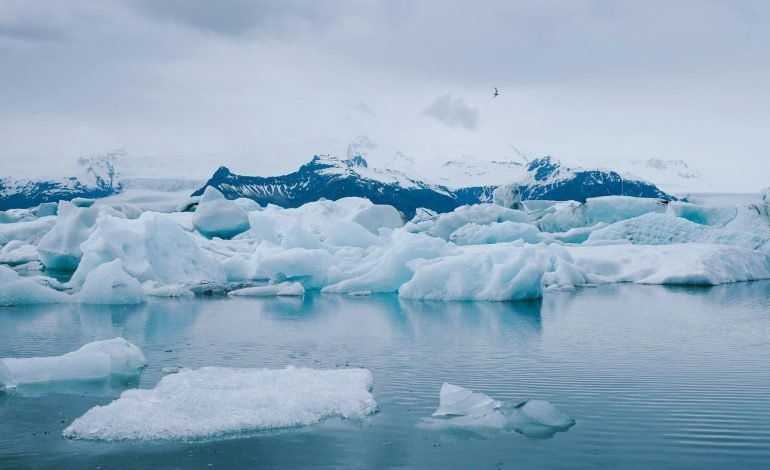
Glaciers around the world have been rapidly melting, with new research revealing a dramatic global ice loss since the beginning of the millennium. The study, involving international researchers and led by scientists from TU Graz, shows that they are shrinking at an accelerated rate, with those in the Alps and Pyrenees melting the fastest.
There are approximately 275,000 glaciers worldwide, which hold vast amounts of fresh water. However, this vital reservoir is dwindling, with glaciers losing around 273 billion tonnes of ice each year since 2000. This equates to more than five times the volume of Lake Constance. In total, the world’s glaciers have lost about five per cent of their total mass in the past 23 years. The study, published in Nature, reveals that ice loss has significantly increased in recent years, with the period from 2012 to 2023 showing a 36 per cent higher rate of loss compared to the previous decade.
The researchers, including Tobias Bolch from TU Graz, used data from a variety of sources, such as satellite missions, radar, and laser measurements, to track glacier changes globally. The analysis of this extensive data set resulted in the creation of a unique time series of annual glacier mass changes from 2000 to 2023. According to the study, their melting has contributed to an 18-millimetre rise in sea levels, making glacier loss the second-largest driver of sea-level rise after ocean warming.
Although the impact is felt globally, some regions are seeing faster melting than others. The glaciers in the Alps and Pyrenees have shrunk by nearly 39 per cent, primarily due to their lower altitudes and smaller sizes, which make them particularly vulnerable to rising temperatures. These also provide critical freshwater supplies, but the loss of ice means that streams fed by glaciers will face a decline in water flow, especially during dry spells. In the Alps, this change is already being observed.
The findings, part of the ESA-supported GlaMBIE research initiative, highlight the urgent need for continued monitoring of glaciers as they continue to retreat at an alarming pace.
Stay tuned to EyeOnLondon for the latest news and expert opinions.
Follow us on:



Subscribe to our YouTube channel for the latest videos and updates!

We value your thoughts! Share your feedback and help us make EyeOnLondon even better!