Fish and Chips: The British Classic Hit by Rising Costs

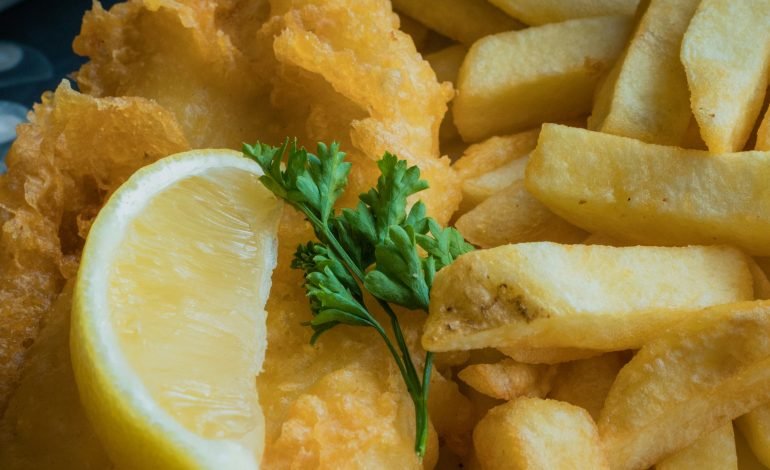
Fish and chips, a beloved staple of British cuisine, is as iconic as the Union Jack itself. Whether savoured on a bustling high street or enjoyed on a windswept seaside promenade, this dish has been a family favourite for generations. However, the classic takeaway is facing unprecedented price hikes, raising concerns about its future as an affordable treat for UK families.
Recent data reveals that the cost of a portion of fish and chips has surged by more than 50% in the past five years, with the average price now approaching £10. This increase outpaces those seen in other popular takeaways, such as kebabs and pizzas. The reasons for this dramatic rise are manifold, including soaring energy bills, tariffs on seafood imports, and extreme weather conditions that have devastated potato harvests.
Jon Long, the third-generation owner of Long John’s Fish and Chips in Dorset, captures the mood of many in the industry. “I’ve never known an onslaught of pressures in terms of costs going up,” he says. With his daughter Emma now at the helm, Jon is unsure if the family business will survive to see a fifth generation.
Historically, fish and chips have been so integral to British life that they were protected during both world wars. However, today’s economic climate, coupled with sanctions on Russian seafood and poor potato yields, is pushing prices to unsustainable levels. According to the Office for National Statistics (ONS), the average price of a takeaway portion reached £9.88 in July 2023—up by £3.40 from July 2019.
“We’ve had the perfect storm of events in terms of cost pressures,” Jon explains. “It’s not a cheap meal anymore. I think it’s still good value, but it has become more expensive.” Indeed, in March 2022, the UK government imposed a 35% tariff on Russian seafood imports in response to the invasion of Ukraine, exacerbating an already challenging situation for fish and chip shops across the country.
Potato prices have also been hit hard, with experts like Cedric Porter noting the “dramatic” rise due to poor harvests across Europe. Angela Cartwright, owner of Kingfisher Fish Bar in Salford, has felt the pinch as well. “People think that fish and chips is a cheap meal, and it just isn’t anymore,” she says. While customers might pay £15-20 for a pizza without batting an eyelid, they’re often reluctant to pay similar prices for fish and chips.
For many in the industry, the biggest challenge is not just ingredient costs but the skyrocketing energy bills. Jon Long points out that standing charges—daily fixed fees for being connected to the gas and electricity networks—have become “outrageous.” These costs have risen significantly since 2021, leaving many small businesses struggling to stay afloat.
While the energy regulator Ofgem has introduced new rules to ensure fairer treatment of businesses, the reality on the ground remains tough. The UK government, while defending the tariffs on Russian fish, has acknowledged the importance of local takeaways to vibrant communities and has pledged to develop further support, including reforms to business rates.
As the nation grapples with these challenges, the question remains: can the humble fish and chips remain an affordable meal for British families, or will it become yet another casualty of the cost-of-living crisis?
For more detailed statistics on food price trends and economic data in the UK, visit the Office for National Statistics (ONS).