Cannes 2025 highlights global film, changing red carpet rules and UK talent

Cannes 2025 has opened with a familiar buzz, but this year’s festival is also showing signs of change, from revised red carpet rules and powerful tributes to rising UK voices making their directorial debut. As one of the most significant events in the global film calendar, it remains a barometer for what’s to come in awards season, as well as a snapshot of how the industry is evolving.
The festival opened with a heartfelt tribute to Robert De Niro, nearly half a century after Taxi Driver won the Palme d’Or. Surrounded by some of cinema’s most recognisable faces, he accepted an honorary award and reflected on the journey from then to now. The opening ceremony struck a balance between celebration and introspection – a tone that’s echoed in many of this year’s entries.
You can learn more about the structure and purpose of the Cannes Film Festival via its official overview, which offers insight into how films are selected and judged.
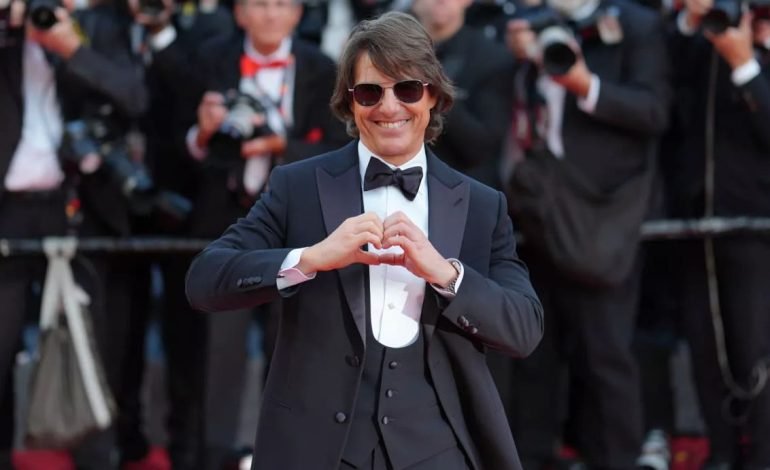
Tom Cruise also returned to Cannes, this time with Mission: Impossible – Final Reckoning, the latest in a franchise that has seen him defy gravity in increasingly elaborate ways. This year’s appearance was more grounded, literally, with no aerial theatrics, just a confident walk down the red carpet before the premiere.
New names are also stepping into the spotlight. Harris Dickinson, better known in the UK for his acting work, has made his directorial debut with Urchin, a film exploring homelessness in East London. Scarlett Johansson and Kristen Stewart are also among those trying their hand behind the camera, offering personal and daring projects that challenge expectations of first-time directors.
The festival has introduced updated red carpet rules, stating that nudity and overly voluminous outfits are now discouraged. The move appears to reflect changing attitudes towards decorum at high-profile public events. Halle Berry, who is serving on the Cannes jury, reportedly altered her outfit to comply with the new guidelines. Others took a more interpretive approach, suggesting the red carpet may remain a space for subtle rebellion.
Elsewhere, the world premiere of a 4K restoration of The Gold Rush brought Charlie Chaplin’s iconic film back to the big screen, a hundred years after it was first released. The screening served as a quiet reminder of the legacy of film, even as new voices and formats emerge.
On the documentary front, Bono debuted Stories of Surrender, an intimate project blending personal history with reflections on global politics. The film was well received, continuing a growing trend of major cultural figures using documentary to tell stories outside traditional formats.
Outside the main competition, there’s an eclectic mix of experimental work and deeply personal storytelling. Stewart’s The Chronology of Water and Johansson’s Eleanor the Great are attracting attention not just for who directed them, but for the risks they take in form and tone. They join a slate that suggests Cannes is continuing to expand its definition of what “prestige” filmmaking can be.
Back home, many in the UK film community are watching closely, not just because of the British talent featured this year, but because Cannes 2025 remains a launchpad for distribution deals, critical buzz, and long-term recognition. If early reviews and reactions are anything to go by, several of this year’s entries may make their way into London cinemas by autumn.
For more updates on Cannes 2025 and further insights into global cinema from a UK perspective, visit EyeOnLondon. We’d love to hear your views in the comments.
[Image Credit | Euronews]
Follow us on:



Subscribe to our YouTube channel for the latest videos and updates!

We value your thoughts! Share your feedback and help us make EyeOnLondon even better!