Border checks to be easier by 2030, EU pledges

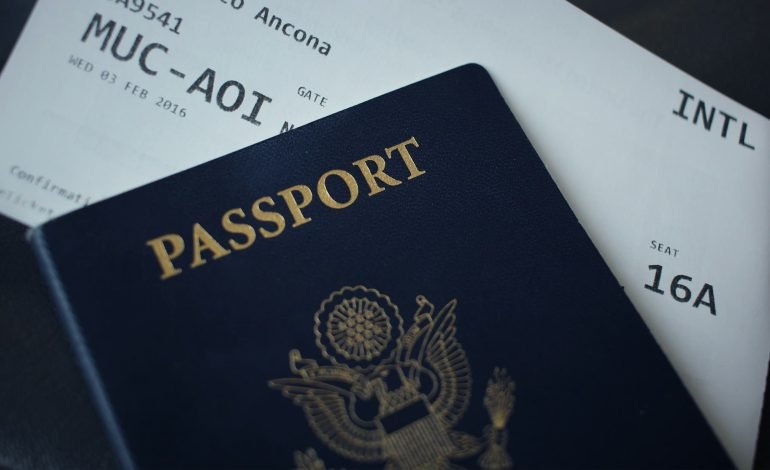
Border checks are among the biggest hassle when travelling. However, the European Commission hopes to simplify them. Digital travel credentials will become free, voluntary, and offer a more seamless as well as secure experience, it said.
Travellers to and from the EU’s Schengen zone will be able to store their travel credentials digitally, plans unveiled by the European Commission have revealed. The data is currently stored on a chip on either a passport or ID card. But now it will be transferred to a smartphone, allowing for baster border crossing.
“Today’s proposal to digitalise passports and identity cards paves the way for a more seamless and secure travel experience,” Věra Jourová, the Commission’s Vice-President for values and transparency, said in a statement.
Submitting the travel plans and documents to the authorities in advance will speed up border crossings, allowing them to verify their authenticity, allowing them to focus more of their time on cases such as migrant smuggling, according to the Commission.
The plans will have to be agreed on by the EU’s Council which represents its member states, as well as lawmakers at the European Parliament. It comes as the bloc plans to introduce a separate system that will check entries and exits from the Schengen Area.
The system is due to come into operation in November tough it could face delays according to recent reports. It will however mean that those travelling from outside the EU into the Schengen will have to go through scanners when entering the internal passport-free zones that cover much of the EU, as well as Norway, Iceland, Liechtenstein and Switzerland
The service will be voluntary and free for travellers and could take effect by 2030, the Commission has stated.
Stay tuned to EyeOnLondon for the latest news and expert opinions.
Follow us on Facebook, Instagram, X, and LinkedIn for more updates!
Subscribe to our YouTube channel for the latest videos and updates!