Scientists Identify a Brain Circuit for Creativity

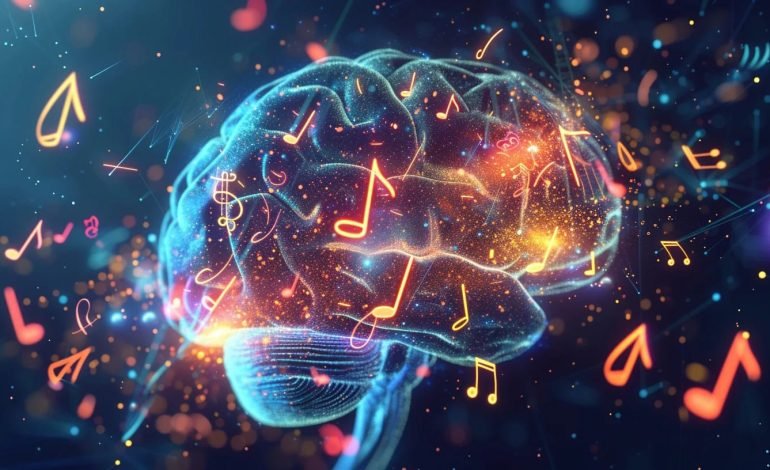
In a new study, scientists identify regions of the brain responsible for creative thought, mapping a brain circuit for creativity that connects different areas involved in innovation. Researchers analysed data from 857 participants across 36 functional MRI (fMRI) studies and found that creative activities such as writing, drawing, and composing music all engage a shared network in the brain. The findings, published in JAMA Network Open, could explain why some individuals with neurological conditions experience changes in their creative abilities.
Led by researchers from University College London (UCL) and Brigham and Women’s Hospital, the study aimed to pinpoint which parts of the brain contribute most to creativity. Dr Isaiah Kletenik, a neurologist at the Center for Brain Circuit Therapeutics, explained:
“We wanted to answer the questions, ‘What brain regions are key for human creativity and how does this relate to the effects of brain injuries?’”
A key finding was the role of the right frontal pole, a region linked to self-monitoring and rule-based thinking. The study found that in order to be creative, the brain may need to suppress this area, allowing for freer thinking and greater idea generation. Some participants with neurological conditions showed increased creativity, suggesting that certain brain changes might actually enhance artistic expression.
Most Countries Miss Climate Targets Deadline
With global temperatures rising, new data reveals that most nations have failed to meet their climate goals. What does this mean for the future?
Earth’s Inner Core is Changing – What Scientists Found
A new study shows the Earth’s inner core may be undergoing a transformation. Could this impact the planet’s magnetic field?
Hudson Bay Polar Bears Struggle as Climate Warms
Polar bears in Hudson Bay face an uncertain future as climate change disrupts their habitat. What does the latest research reveal?
Dr Michael D. Fox, co-senior author of the study, highlighted the broader implications: “We found that many complex human behaviours such as creativity don’t map to a specific brain region but instead follow specific brain circuits.” This challenges the idea that creativity is localised to a single part of the brain and instead highlights how different regions work together.
For Londoners, this research reinforces the importance of ongoing neuroscience studies. With institutions such as UCL at the forefront of understanding the brain, findings like these could lead to new approaches for enhancing creativity or even therapeutic techniques for individuals experiencing cognitive decline.
According to Mass General Brigham, this discovery may also influence future treatments designed to support cognitive health and innovative thinking.
This breakthrough offers new perspectives on how creativity is shaped by brain function. As neuroscience continues to advance, the potential applications, both in medicine and in the arts, could be transformative.
For more insights into neuroscience and creativity, visit EyeOnLondon. We’d love to hear your thoughts in the comments.
Follow us on:



Subscribe to our YouTube channel for the latest videos and updates!

We value your thoughts! Share your feedback and help us make EyeOnLondon even better!