Viking Skulls Reveal a History of Severe Disease in Sweden’s Past

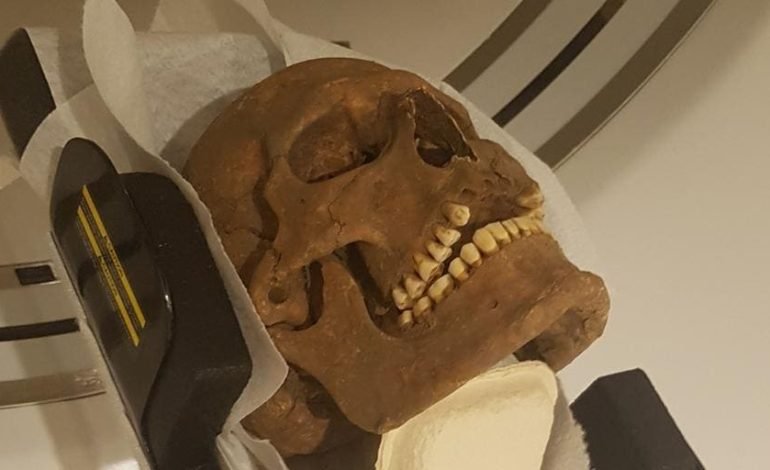
Centuries after their time, the Vikings continue to fascinate, but new research suggests life in the Viking Age was far from the romanticised image of fearless warriors and seafaring explorers. A recent study from the University of Gothenburg has revealed that Viking populations in Sweden suffered from a host of severe health conditions, including dental diseases, sinus infections, and osteoarthritis. By using modern CT scans to examine Viking skulls from Varnhem, a site known for its ancient graves, researchers have uncovered evidence of chronic illnesses that would have made life in the Viking Age particularly difficult.
The study analysed fifteen adult skulls, belonging to individuals who lived between the ages of 20 and 60. The scans revealed extensive bone growth abnormalities in the cranium and jawbone, a clear indication of untreated infections. Several Viking skulls showed signs of chronic sinus infections and ear diseases severe enough to leave permanent damage in the surrounding bone structures. In addition, evidence of osteoarthritis suggests that joint problems were common, likely exacerbated by the physically demanding nature of daily Viking life.
Salome: Oscar Wilde’s Banned Play
Explore the scandalous history of Wilde’s banned masterpiece and its daring themes.
Read MorePompey’s Theatre and the Power of Rome
Uncover the legacy of Pompey’s grand theatre and its impact on Roman political life.
Read MoreHindu Mythology: Stories, Deities & Beliefs
Discover the profound myths and deities that shape Hindu traditions and culture.
Read MoreCarolina Bertilsson, the lead researcher and a specialist in dental radiology, described the findings as a significant step in understanding Viking health.
“There was much to look at. We found many signs of disease in these individuals. Exactly why we don’t know. While we can’t study the damage in the soft tissue because it’s no longer there, we can see the traces left in the skeletal structures,”
she explained.
The lack of medical care at the time would have meant that infections persisted for long periods, potentially leading to debilitating pain. “Everyone knows what it’s like to have pain somewhere—you can get quite desperate for help,” Bertilsson added.“But back then, they didn’t have the medical and dental care we do, or the kind of pain relief, and antibiotics, we now have. If you developed an infection, it could stick around for a long time.”
The findings add to the growing body of research on Viking health and living conditions, challenging the perception that they were a robust and resilient society untouched by disease. The study also highlights the potential of modern imaging technology in archaeological research. Unlike traditional methods, which often involve removing small sections of bone for testing, CT scanning allows researchers to examine remains in detail without causing any physical damage.
Bertilsson noted that this study was a pilot project, testing CT scans as a non-invasive way to analyse Viking remains.
“Very many of today’s archaeological methods are invasive, with the need to remove bone or other tissue for analysis. This way, we can keep the remains completely intact yet still extract a great deal of information,”
she said.
These insights offer a new perspective on the struggles of everyday Viking life. While they may have been formidable warriors, it seems they were not immune to the physical hardships of their time. According to the University of Gothenburg, the study not only sheds light on Viking health but also sets a precedent for future archaeological research using advanced medical imaging.
For more fascinating history and archaeology insights, visit EyeOnLondon.
[Image Credit: Carolina Bertilsson]
Follow us on:



Subscribe to our YouTube channel for the latest videos and updates!

We value your thoughts! Share your feedback and help us make EyeOnLondon even better!