Crocodile species discovered in Mexico

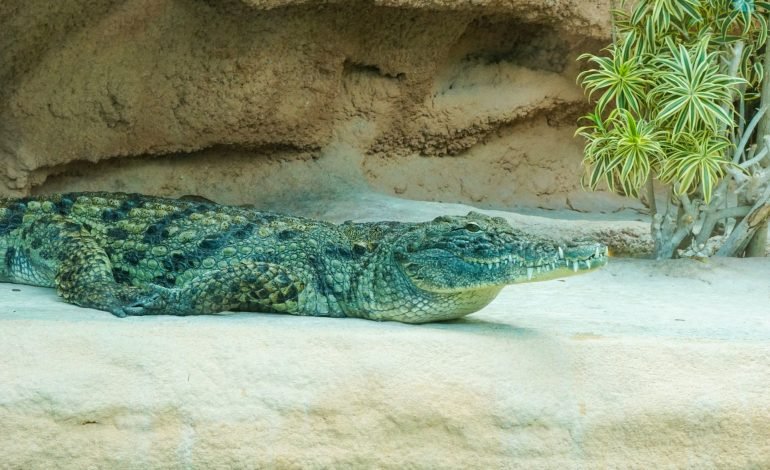
McGill University researchers, in collaboration with scientists from Mexico, have discovered two, previously unknown, species of crocodile. One was found living on the island of Cozumel while the other was discovered on the atoll of Banco Chinchorro, both off the Yucatán Peninsula.
According to the researchers, these challenge long-held assumptions about the American crocodile and also highlight the urgent need for conservation efforts. “Biodiversity is disappearing faster than we can discover what we’re losing,” said Biology Professor Hans Larsson, the principal investigator.
“Most species of crocodiles are already endangered, and rapid shoreline development threatens nearly every population. Our research aimed to uncover the true diversity of crocodiles on these isolated islands.”
Larson and the team analysed the genetic sequences of crocodiles from these areas, comparing them against those in the Caribbean, Central America, and the Pacific coast of Mexico. They found a striking amount of genetic differentiation, leading them to conclude that these are new species and not just variants of the American crocodile, Crocodylus acutus.
“These results were totally unexpected,” former Larsson graduate student and lead author José Avila-Cervantes said. “We assumed Crocodylus acutus was a single species ranging from Baja California to Venezuela and across the Caribbean. Our study is the first to extensively explore genomic and anatomical variation in these animals.”
The discovery, the team said, has significant implications for conservation. The new species live in small, isolated populations with fewer than 1,000 breeding individuals each. The populations of both appear stable but their limited numbers and habitat restrictions make them vulnerable.
“The rapid loss of biodiversity can only be slowed if we know what species are most at risk,” said Larsson. “Now that we recognize these crocodiles as distinct species, it’s crucial to protect their habitats. Limiting land development and implementing careful conservation strategies on Cozumel and Banco Chinchorro will be key to ensuring their survival.”
Stay tuned to EyeOnLondon for the latest news and expert opinions.
Follow us on:



Subscribe to our YouTube channel for the latest videos and updates!

We value your thoughts! Share your feedback and help us make EyeOnLondon even better!