Taylor Swift’s US Donations Highlight Urgent Need to Address the UK Food Crisis

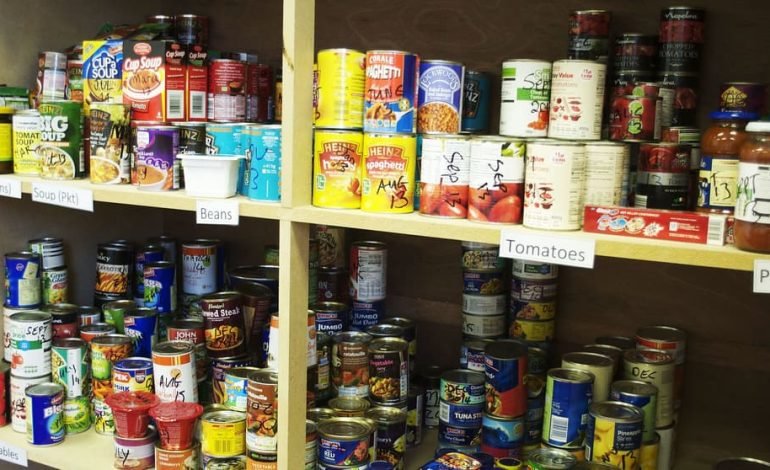
Taylor Swift inspires action through her generous donations to food banks during her Eras Tour in the United States, sparking significant attention and shedding light on the growing crisis of food insecurity exacerbated by rising inflation and the end of pandemic-era support. However, this is not just an American problem—here in the UK, the situation is eerily similar, if not more acute, and it raises important questions about how we are addressing food poverty at home.
Much like in the United States, food banks across the UK have seen a sharp increase in demand. The Trussell Trust, which supports a nationwide network of food banks, reported a record number of food parcels distributed in recent months. With the cost of living spiralling and inflation driving up the price of essentials, more and more families are finding it impossible to make ends meet, forcing them to turn to food banks for the first time.
Swift’s efforts in the US highlight the crucial role that charitable donations can play in addressing immediate needs. However, they also underscore the limitations of relying on philanthropy alone to solve systemic issues. In the UK, where food insecurity has been described as a national crisis, there is a pressing need for sustained government intervention alongside the commendable work of charities and individual donors.
The end of pandemic-era benefits, such as the £20 uplift to Universal Credit, has left many UK households struggling to cope. The rise in energy prices has further strained budgets, making it difficult for families to afford basic necessities, including food. This situation mirrors the challenges faced by food banks in the US, where the end of federal COVID-19 aid has left a significant funding gap.
The parallels between the two countries are clear: food banks are a critical lifeline for millions, but they are not a substitute for comprehensive social safety nets. Just as Taylor Swift’s donations provided temporary relief but did not solve the underlying issues in the US, the UK must recognise that while charitable efforts are vital, they are not enough to address the deep-rooted causes of food poverty.
To truly tackle the food crisis in the UK, a multi-faceted approach is needed. This includes increased government support for low-income families, better access to affordable housing, and measures to control inflation. Additionally, raising awareness about food insecurity and encouraging more widespread support—both at the community level and from the private sector—can help bridge the gap in the short term.
Taylor Swift inspires philanthropy that, while focused on the US, can serve as an inspiration here in the UK. It demonstrates the powerful impact that high-profile figures and ordinary citizens alike can have when they step up to support those in need. But it also highlights the importance of sustainable solutions. As the UK faces its own food crisis, now is the time to draw lessons from across the pond and take decisive action to ensure that everyone has access to the food they need.
For more information on how to support local food banks and combat food insecurity in the UK, visit The Trussell Trust.