Oscar Wilde’s Salome: The Play Britain Wasn’t Ready For


When Oscar Wilde turned to the biblical story of Salome in 1891, he likely expected some resistance. But he might not have foreseen just how much his version of events would scandalise Victorian Britain. Salome was unusual in as much as it was a direct challenge to the rigid morality of the time, a vision of female power, lust, and destruction that British censors deemed too dangerous for audiences.
Banned from the stage before it even premiered, Salome was judged not just for its biblical subject matter but for the way Wilde transformed the young princess into a terrifyingly self-possessed figure. Unlike the traditional retellings, where she is manipulated by her mother, Wilde’s Salome controls the narrative. She desires, demands, and destroys, which was was too much for Victorian audiences.
Over a century later, Salome remains one of Wilde’s most controversial and reinterpreted works, inspiring films, operas, and performances that continue to explore its themes of power, sexuality, and obsession. And now, as Atom Egoyan’s Seven Veils prepares to bring yet another retelling of the Salome story to audiences, it raises the question: how much has really changed?
The Play Britain Wasn’t Ready For
First written in French in 1891, Salome is a one-act play that reimagines the New Testament story of the beheading of John the Baptist. Traditionally, Salome is portrayed as a pawn of her mother, Herodias, who uses her daughter’s beauty to manipulate King Herod into executing John. But Wilde flipped the script. His Salome isn’t coerced, she is in complete control. When John, or Jokanaan as he’s called in the play, rejects her advances, she retaliates by demanding his head on a silver platter. If she can’t have him, no one can.
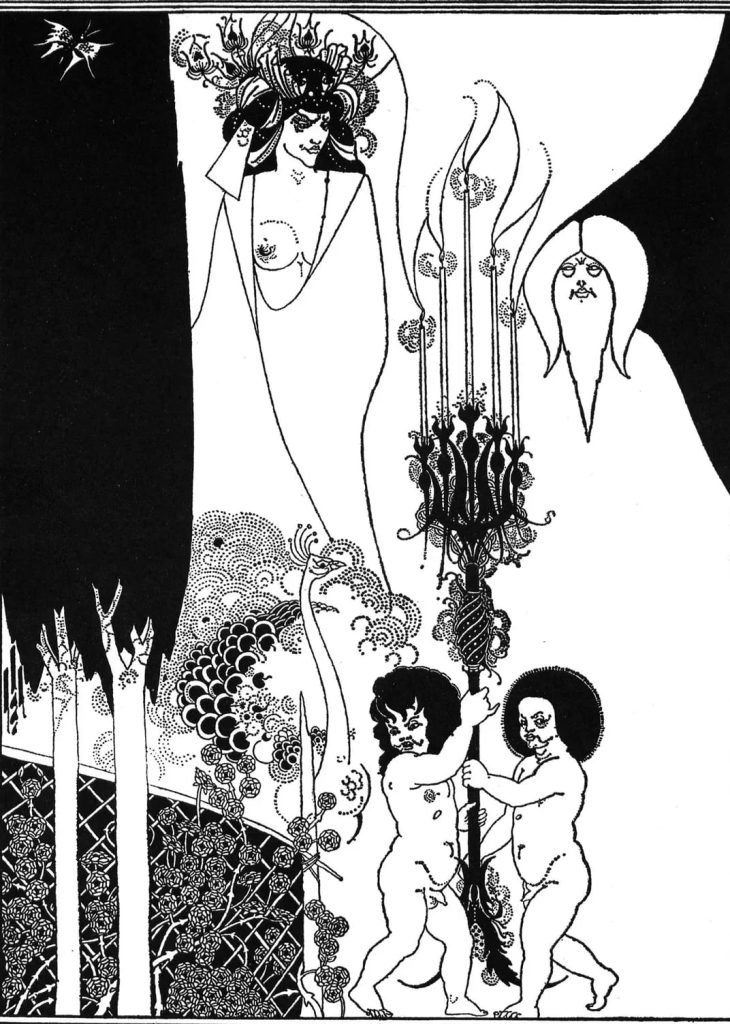
This was a dangerous idea in Victorian Britain. A young woman taking charge of her own desires, exerting control over the men around her, and embracing both sexuality and vengeance, it was simply too much. Censors feared the play’s themes of lust, death, and power. It was officially banned on the grounds that biblical characters could not be depicted on stage, but many suspected the real issue was that it painted an uncomfortably dark vision of female autonomy.
The Lord Chamberlain’s Examiner of Plays, Edward Pigott, dismissed the play outright, writing in an internal memo: “The piece is written in French, half biblical, half pornographic, by Oscar Wilde himself. Imagine the average British public’s reception of it.”
Paris Says Yes, London Says No
Despite its rejection in Britain, Salome found a home in Paris. The legendary French actress Sarah Bernhardt had already agreed to play the lead role, and when British authorities shut down rehearsals in London, she took the production to the Théâtre de l’Œuvre in 1896. By then, Wilde was serving a two-year sentence for “gross indecency” following his infamous trial, and he never got to see the play staged.
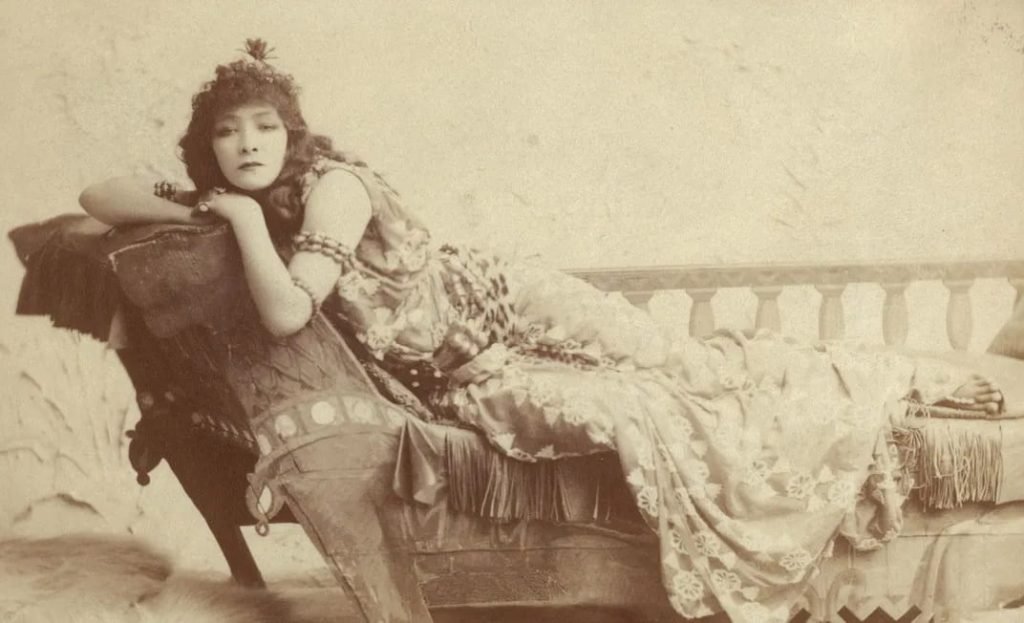
For decades, Salome remained banned in Britain, only performed in underground, private productions until 1931 when the ban was finally lifted. By then, the play had already influenced multiple art forms.
The Dance of the Seven Veils
One of Salome’s most infamous moments is the Dance of the Seven Veils, the seductive performance Salome gives to King Herod in exchange for her reward, Jokanaan’s head. Wilde left the choreography deliberately vague, simply stating, “Salome dances the dance of the seven veils.” This gave later directors and choreographers creative freedom, and many took the opportunity to push boundaries even further.
In Victorian Britain, a striptease, however artistic, was unthinkable. Women’s clothing was designed to conceal, not reveal. The idea that a woman could slowly shed her veils, controlling her own exposure, was deeply unsettling to conservative audiences. Even today, performances of Salome often centre around this scene, transforming it into a symbol of power, manipulation, and rebellion.
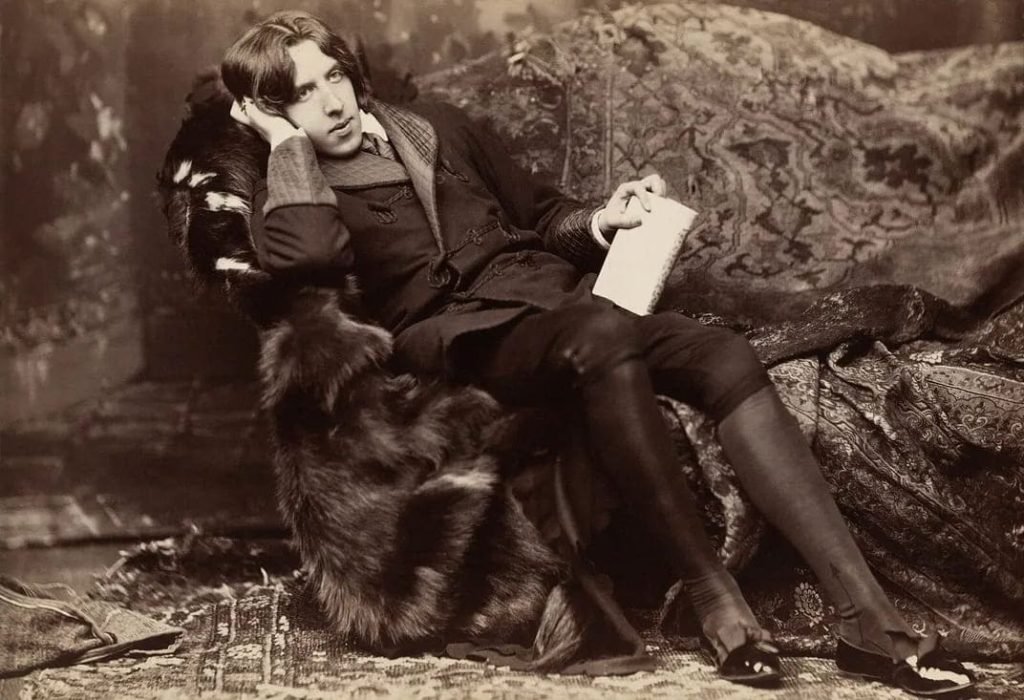
In Richard Strauss’s 1905 opera Salome, based on Wilde’s play, the dance became an extravagant set piece, shocking audiences with its sensuality. Later interpretations took it even further, Ken Russell’s Salome’s Last Dance (1988) reimagined the play as an erotic fever dream, while Al Pacino’s Wilde Salomé (2011) examined the obsession and controversy surrounding the text itself.
Now, Atom Egoyan’s Seven Veils is the latest to take inspiration from this story. Starring Amanda Seyfried, the film isn’t a direct adaptation but instead follows a theatre director struggling with the psychological weight of staging Salome. This meta-narrative approach highlights the enduring power of Wilde’s play, not just as a work of literature but as a cultural force that still provokes strong reactions.
Egoyan himself has spoken about why the play remains so compelling:
“The story of Salome has such a rich inheritance. It comes to us from the Bible and then became the basis of this extraordinary play that Oscar Wilde wrote that explodes with language of people describing things they can’t have.”
Why Salome Still Matters
More than a century after Wilde wrote it, Salome is still staged, adapted, and debated. It’s a play that asks uncomfortable questions about desire, power, and the consequences of rejection. While Victorian Britain tried to silence it, modern audiences continue to find new layers of meaning in its words.
E.R. Zarevich, a history writer from Burlington, Ontario, notes how the play was radical in its time and remains so today:
“Wilde’s version of Salome was so ahead of its time that it continues to shape modern retellings of the story. Unlike the Gospels, where Salome is manipulated by her mother, Wilde gave her a terrifying autonomy. Her beauty isn’t just admired—it’s dangerous. Her desires aren’t just implied—they drive the entire plot.”
For those interested in a deeper exploration of Salome and its impact, the full article can be found at Smithsonian Magazine.
For more on theatre, history, and the stories shaping Arts & Culture in London’, visit EyeOnLondon.
Follow us on:



Subscribe to our YouTube channel for the latest videos and updates!

We value your thoughts! Share your feedback and help us make EyeOnLondon even better!