Met still missing DNA records for nearly half of serving officers

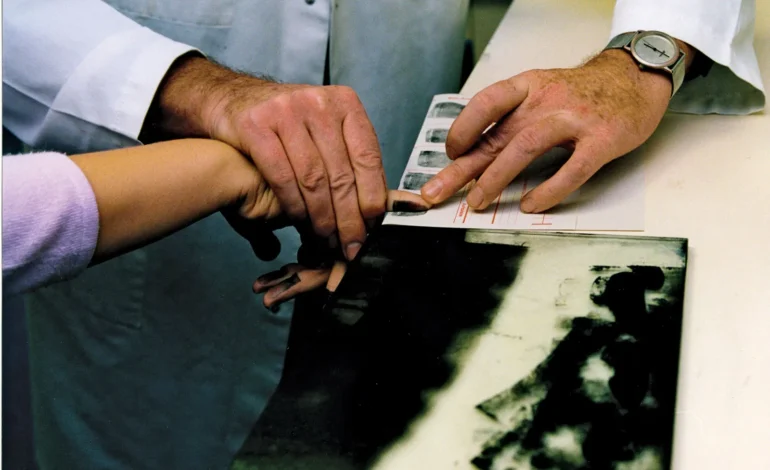
The Metropolitan Police is still missing DNA records for nearly half of its serving officers, more than three years after concerns were raised about gaps in its elimination databases.
Figures show that of 32,431 officers in the force, 17,458 have their DNA recorded on the Met’s elimination database, representing 53.8 per cent. A larger proportion, 25,802 officers or 79.6 per cent, have their fingerprints logged.
More London news from EyeOnLondon
City policy, major events and public life across the capital.
Global Risk Summit announced for the City
Business and government leaders will gather in the Square Mile to examine how London’s insurance market can address global risk.
Read the full reportRoyal Variety Performance tickets 2025
What to know about the ballot process and this year’s event at the Royal Albert Hall.
Read the full reportChurchill statue defaced in Parliament Square
Police are investigating after damage was reported to the statue in Westminster.
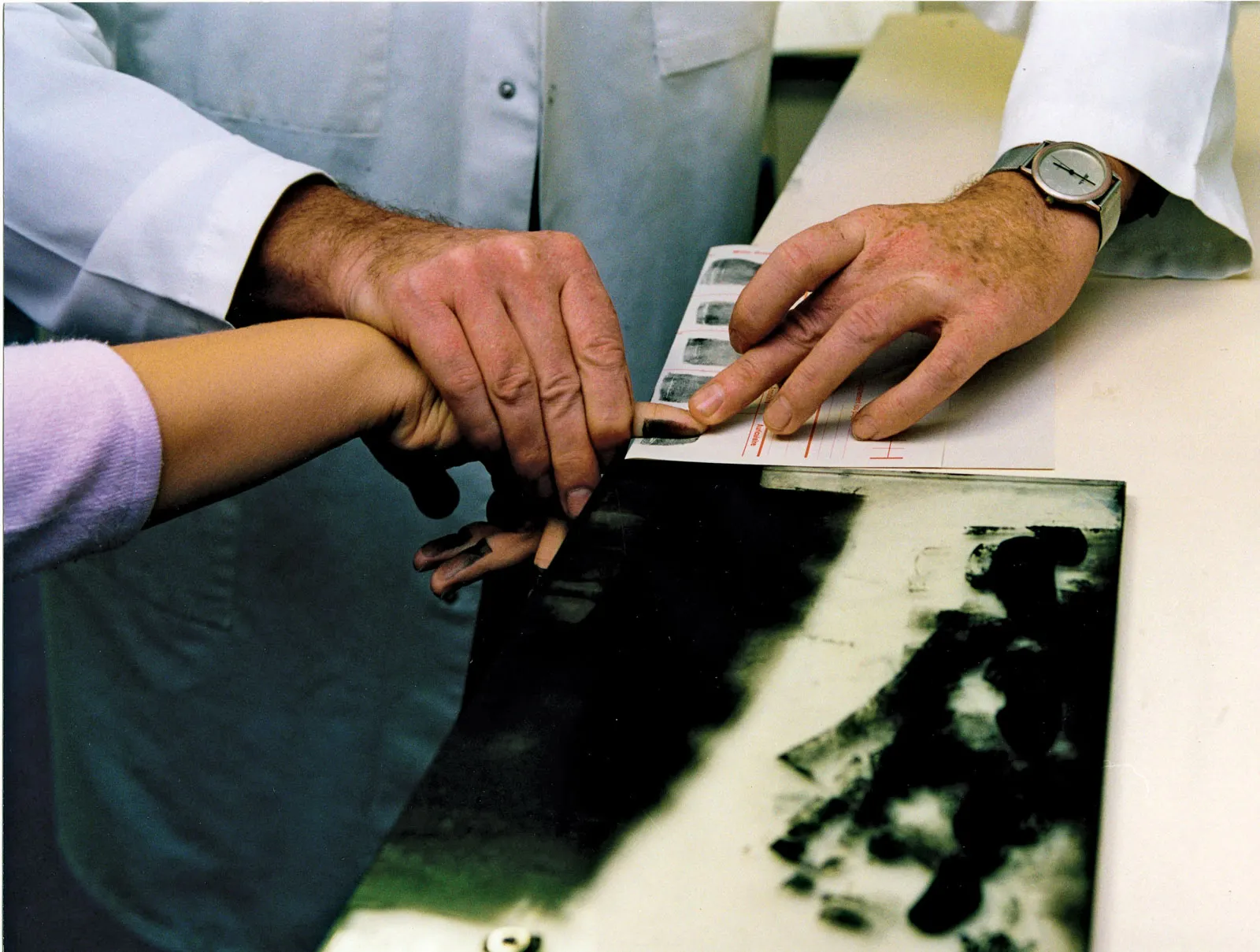
Read the full reportElimination databases are used to exclude officers’ DNA or fingerprints from crime scene samples. They are designed to prevent contamination from being mistaken for a suspect’s profile and are regarded as an important safeguard in forensic investigations.
The absence of a full dataset raises questions about whether the force can reliably rule out its own personnel during internal or sensitive investigations.
A Metropolitan Police spokesperson said work was ongoing to address the shortfall.
“Work continues to ensure samples from every police officer are collected, recorded and uploaded to our databases,” the spokesperson said. “We recognise there is more to do and aim to complete this work as soon as possible.”
In November 2024 it was reported that around half of officers were missing from the Met’s own DNA and fingerprint elimination systems. At the time, the force said it was assessing the samples it did not hold and expected to collect outstanding data within 12 months.
However, the proportion of officers with DNA recorded has risen only marginally in the 15 months since.
The collection of DNA samples for elimination databases has been mandatory for new police recruits in England and Wales since 2003, under forensic biometrics guidance overseen by the Home Office. Gaps in the Metropolitan Police’s sample collection were identified following the 2021 murder of Sarah Everard by former constable Wayne Couzens, prompting wider scrutiny of vetting and oversight procedures.
The issue of elimination databases was not directly addressed in either the Casey Review or the Angiolini inquiries, which examined standards, culture and accountability within the force.
Labour MP Dawn Butler has repeatedly raised the matter publicly, arguing that comprehensive biometric recording is essential for transparency and public trust. Reacting to the latest figures, she said it was “deeply disappointing” that progress had been slow.
“I have long pushed for the Met Police to ensure that the DNA and fingerprints of every single serving officer are properly recorded on the database,” she said. “There can be no more delay. The Met must now act with urgency to ensure every officer is included.”
Scotland Yard has said it aims to ensure that the DNA and fingerprints of every serving Metropolitan Police officer and member of the Met Special Constabulary are collected, recorded and uploaded to the elimination database by 31 March 2028.
The force says it has established a new database to track the lifecycle of biometric samples linked to serving officers and has introduced a more reliable process to identify missing or duplicate records.
A spokesperson said: “Given the size of our organisation and the complexity of the issue, it has taken time to fully understand the extent of the gaps and build the infrastructure to address these. We remain committed to ensuring this work is robust and effective.”
When confidence in policing is under scrutiny, the details matter. Follow EyeOnLondon for independent reporting from inside the capital.
[Image Credit – © Britannia]
Follow us on:



Subscribe to our YouTube channel for the latest videos and updates!

We value your thoughts! Share your feedback and help us make EyeOnLondon even better!