Made in Europe rule proposed to combat Chinese EVs

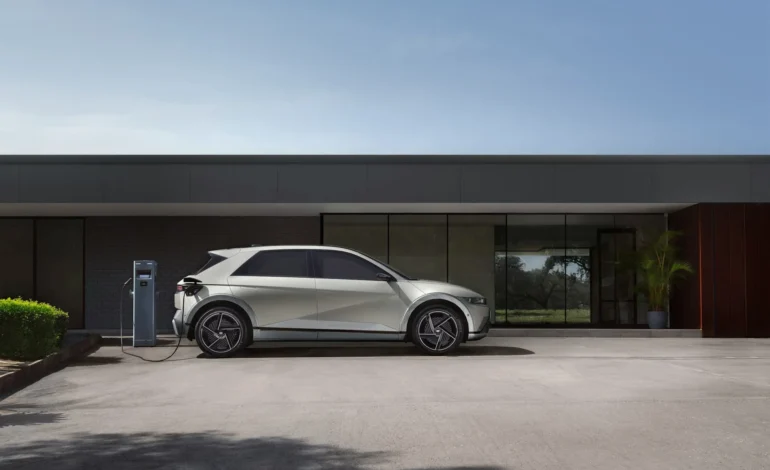
The EU has proposed a “Made in Europe” rule for electric vehicles (EVs) to combat competition from EVs from China. The rule would require at least 70% of a vehicle’s components to be made in the bloc for the vehicle to qualify for subsidies and other incentives.
According to the Financial Times, the EU Commission is drafting the rules that would apply to pure electric vehicles, as well as hybrids and hydrogen fuel cell vehicles. The order would form part of its Industrial Accelerator.
The measure not only prevents Chinese manufacturers from benefitting from subsidies, but could also affect supply chains in Europe, and may extend beyond cars to cover construction and heavy industry.
The “Made in Europe” threshold for car makers was set by Europe’s association of automotive suppliers, CLEPA. Brussels is calling for at least 70% of non-battery components to be produced in the EU, with the figure measured by value, while some crucial battery components must originate from the European Union.
The 70% “Made in Europe” figure could be revised before the rule comes into force. The threshold would represent 70% to 75% of a vehicle’s total component value. For combustion cars, Europe currently retains 85% to 90% of the value of each petrol or diesel engined car produced and sold in the EU, falling to 70% to 75% for EVs due to batteries, often sourced and manufactured in China, making up around 30% of the vehicle’s value.
A similar measure is in place between Canada, Mexico, and the US for passenger vehicles, with additional thresholds for other components including engines, gearboxes, and battery-related parts.
Stay tuned to EyeOnLondon for the latest news and expert opinions.
Follow us on:



Subscribe to our YouTube channel for the latest videos and updates!

We value your thoughts! Share your feedback and help us make EyeOnLondon even better!