Celebrating 60 Years of Dr No: The Legacy of Bond’s British Icon

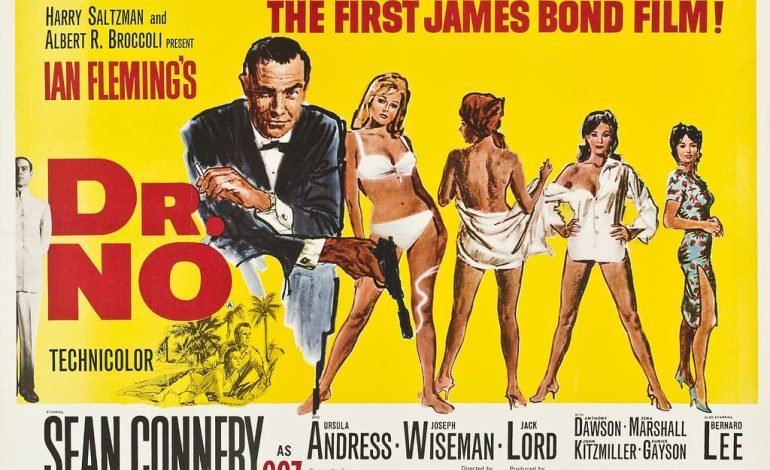
On October 5th, 1962, Dr No premiered at the London Pavilion, marking the debut of a new kind of British hero: James Bond. Played by a relatively unknown Sean Connery, Bond became an overnight sensation, with Dr No setting the stage for what would become one of the most successful film franchises in history. With the Dr No 60th Anniversary, it’s remarkable to look back at how Bond, and his quintessentially British brand of espionage, came to capture imaginations across the globe.
The Origins of Bond and His British Flair
Created by Ian Fleming, Bond first appeared in the 1953 novel Casino Royale. Fleming, a former naval intelligence officer, drew on his own experiences to shape Bond’s character. But while Fleming’s wartime work was largely desk-bound, Bond’s missions were anything but mundane. In Dr No, Bond is dispatched to Jamaica to investigate the disappearance of a fellow agent, leading him to confront Dr No, a villain with plans to sabotage the US space program. Bond’s unique style, blending a professional detachment with flashes of charisma and humour, captured the British ideal of resilience and competence—traits that would be associated with the character through every iteration.
Why Bond Endures
Bond has changed over the years, but the core elements that Dr No introduced have endured. Each film offers viewers a sense of adventure, peppered with thrilling chases, tense standoffs, and daring escapes. Connery’s portrayal of Bond laid the foundation for what we now recognise as the Bond formula: a British hero who combines poise with pragmatism, handling both high-stakes missions and complex characters with equal ease.
Later actors, like Roger Moore and Daniel Craig, brought their own styles to the role, adapting Bond to match the times. Moore’s Bond in the 1970s and 1980s was a bit more relaxed, often light-hearted, while Craig’s recent portrayal introduced a darker, more introspective Bond, fitting for an era that favours gritty realism. This ability to evolve with cultural shifts has kept Bond relevant for six decades, ensuring he remains a timeless fixture in cinema.
Explore More on Bond
Bond Girls and Gadgets: Defining the Franchise
Bond films have always been known for two distinct elements: the Bond girls and the ingenious gadgets. In Dr No, Ursula Andress set the tone as Honey Ryder, emerging from the sea in an unforgettable scene. She was the first of many Bond girls, a mix of allies and adversaries who each brought their own challenges and charms to Bond’s life. Over the years, these roles evolved. Characters like Vesper Lynd in Casino Royale and Wai Lin in Tomorrow Never Dies have been strong, independent figures who, rather than just complementing Bond, contributed meaningfully to the mission.
Bond’s gadgets, on the other hand, have always been a source of fascination. The original briefcase with hidden compartments in From Russia with Love, the laser-equipped Rolex in Live and Let Die, and the Aston Martin with an ejector seat in Goldfinger all highlight the creativity behind the franchise. These gadgets, courtesy of Q Branch, have provided Bond with an extra edge on his missions, underscoring the sense that, while Bond is highly capable, he also has the full backing of British intelligence’s finest inventions. These tools have consistently reflected the era, with recent films featuring more advanced technology like biometric guns in Skyfall and high-tech surveillance gear in Spectre.
Bond’s Relationship with His Enemies
From Dr No to Ernst Stavro Blofeld, Bond’s enemies have been as iconic as the man himself. Bond villains are typically over-the-top personalities with equally grandiose plans, and Dr No set the tone by pitting Bond against a man intent on global chaos. As the franchise continued, these antagonists became a central part of the Bond mythos. Villains like Blofeld in You Only Live Twice and Spectre, Goldfinger in Goldfinger, and Le Chiffre in Casino Royale are all reflections of contemporary fears and anxieties, from the Cold War’s spy battles to 21st-century concerns about terrorism and corporate greed.
Bond’s ability to outwit these foes, whether through sheer skill or strategic use of his gadgets, adds to his appeal as a hero. His confrontations with these villains are more than mere battles—they are tests of will, intelligence, and, often, endurance. In Skyfall, for example, Bond faces off against Silva, a former agent with a personal vendetta, forcing Bond to confront his own vulnerabilities.
The Role of Location in Bond’s Appeal
Part of what has kept Bond fresh is his globe-trotting lifestyle. From the casinos of Monte Carlo in GoldenEye to the streets of Istanbul in Skyfall, Bond films take audiences to some of the world’s most intriguing and visually striking places. Dr No set this standard with its tropical Jamaican setting, transporting audiences to an exotic locale few would have seen at the time. This international flair has continued with Bond travelling to locations such as the snowy mountains of Switzerland in On Her Majesty’s Secret Service, the bustling markets of Morocco in Spectre, and the beaches of Thailand in The Man with the Golden Gun.
Each location is more than just a backdrop; it’s an essential part of the narrative. These settings provide Bond with unique challenges—he may be chasing a villain through the narrow alleyways of Venice or conducting surveillance in the deserts of the Middle East. Bond’s ability to adapt to these environments reinforces his status as a resourceful and relentless agent.
A Legacy of Influence
Bond’s influence extends well beyond the cinema. His character has become synonymous with British culture, and his style—from his choice of car to his preference for martinis—has inspired fashion, products, and even tourism. Generations of viewers have grown up with Bond, and he has inspired countless other spy characters in both film and literature. Bond’s ability to evolve with the times, remaining contemporary while staying true to his roots, has ensured his place in popular culture.
Over the years, Bond has navigated the Cold War, post-Cold War disillusionment, and the modern age’s complex global issues. The franchise has shown a remarkable ability to reflect and sometimes even anticipate political and cultural shifts, blending these elements into stories that are both thrilling and thought-provoking. As Bond moves forward, he continues to be both a reflection of his time and a timeless figure—a British icon who is as comfortable in the streets of London as he is on the beaches of the Caribbean.
Who Will Be the Next Bond?
With Daniel Craig stepping down after his last appearance in No Time to Die, speculation is rife about who will don the tuxedo and take on the iconic role next. Could it be a fresh face, bringing Bond into a new era with unexpected energy? Or perhaps a seasoned actor who can bring the gravitas needed for the role? Names like Idris Elba, Regé-Jean Page, and Tom Hardy have circulated as potential successors, each bringing their own unique style to the table. Fans are eagerly awaiting an announcement, wondering if the next Bond will continue Craig’s gritty, emotionally complex portrayal or return to the suavity and wit of earlier films. Whoever it may be, the world is watching, and the next James Bond will have the chance to redefine the character for a new generation of audiences.
As the suspense builds, one thing is certain: Bond will return, and the legacy he carries will only continue to grow.
Take an in-depth look at Bond’s legacy, here: overview by the British Film Institute.
For updates on the world of James Bond and other icons of British culture, be sure to visit EyeOnLondon for the latest news and insights.