The Rise of ‘Dark Tourism’ and Its Modern Impacts

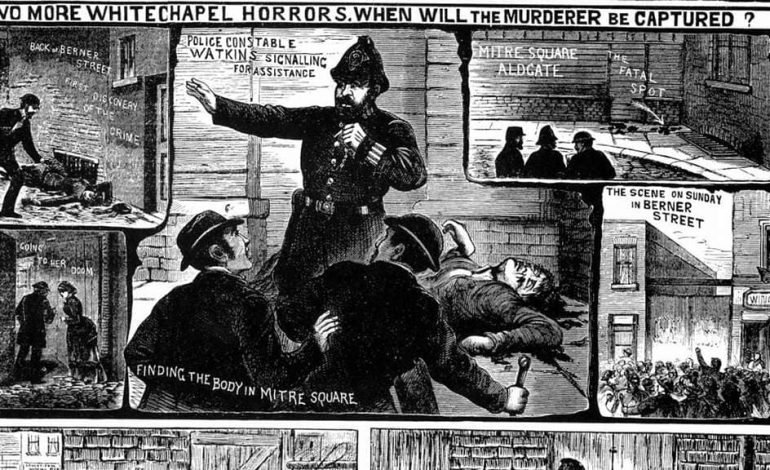
London’s history is peppered with tales of mystery, crime, and intrigue, none more captivating than the story of Jack the Ripper. This infamous killer has been a staple of London’s dark tourism scene for over a century, drawing thousands of visitors keen to explore the chilling sites of his gruesome crimes. The allure of walking the same streets where the Ripper prowled in 1888, coupled with the compelling storytelling of tour guides, continues to fascinate tourists, cementing the phenomenon of dark tourism in the city.
Despite efforts by local residents to diminish the sensationalism surrounding Jack the Ripper, the appetite for these tours remains insatiable. In 2020, Britain’s Ordnance Survey, the country’s official mapping body, removed a controversial walking tour titled “Guts and Garters in the Ripper’s East End” from its offerings, following public pressure. This move came in response to the growing sentiment that such tours exploit the tragic events of the past. However, as soon as pandemic restrictions lifted, East End walking tours surged back, with over 50 variations now available, ranging from respectful historical explorations to more sensationalist, voyeuristic experiences.
This fascination with death and disaster tourism is not new. Dark tourism, a term first coined in 1996 by academics Malcolm Foley and J. John Lennon, describes the practice of visiting sites associated with death and suffering. London’s history of dark tourism dates back even further. In 1838, one of the earliest recorded commercial dark tours in England took place when a railway excursion allowed people to witness a public hanging in Bodmin without leaving the comfort of their train carriages. These early forms of dark tourism were fueled by the sensationalist reporting of the time, much like today’s Jack the Ripper tours.
The 19th century, often described as a golden age for dark tourism, saw countless visitors flock to infamous crime scenes. The discovery of Maria Marten’s body in the Red Barn in 1828 spurred a flood of visitors to the site, eager to see where the grisly murder occurred. The phenomenon was amplified by the mass production of sensationalist print media, which spread news of such crimes far and wide, creating an early form of media-driven tourism. Even today, relics like snuffboxes made from the barn’s wood are displayed in museums, reflecting a macabre interest that has endured through the ages.
For London, the most enduring example of dark tourism remains the Ripper tours. As these walking tours guide groups through the shadowy alleyways of Whitechapel, they offer a glimpse into the city’s darker past. The tours are not just about the murders; they provide context on Victorian London’s socio-economic challenges, exploring how poverty and class disparity created a breeding ground for such atrocities.
The commercialisation of these tragic histories often raises ethical questions. Critics argue that such tours commodify human suffering, turning tragedy into spectacle. This was notably the case with the Jack the Ripper Museum, which faced backlash for its misleading branding as a women’s history museum, only to reveal exhibits that focused on the brutal deaths of female victims, complete with distressing soundtracks and macabre displays.
Yet, the enduring popularity of dark tourism in London reflects a deep-rooted human curiosity about the morbid and the unknown. Modern-day tours offer a way to connect with history in a tangible, visceral manner, even as they tread the fine line between education and exploitation. While walking the same cobbled streets where Jack the Ripper once lurked, tourists are reminded of London’s layered history and a city that is as much about its triumphs as it is about its darker chapters.
Watch out for more intriguing stories about London’s complex history, and explore other articles on EyeOnLondon that shape our city’s past, and uncover the stories that have shaped its character.
For more insights into London’s dark tourism and its historical roots, you can explore the Museum of London’s collection on Jack the Ripper, which offers a deeper look at the events that shaped this infamous chapter in the city’s history.