Why Are Cities Going Bankrupt? Free Gresham College Lecture Looks at the Cost of Local Government Failures

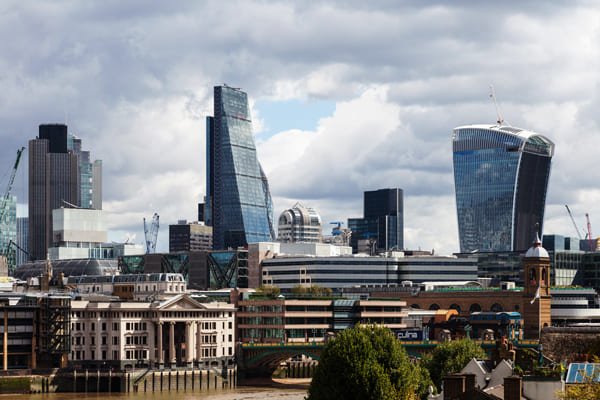
Why Are Cities Going Bankrupt? Council tax has become one of the most contentious household bills in the UK, rising steadily over the past three decades. In London and beyond, residents are increasingly asking what they’re getting in return. Now, a free lecture in Holborn will offer some answers and possible alternatives.
From Wandsworth to Westminster, the reality is stark: while some Londoners are paying under £1,000 a year in council tax, others are facing bills nearing £2,700. Yet, as Professor Martin Daunton points out in his upcoming talk at Gresham College, this is a story about money and the financial foundations of our cities.
Professor Daunton, Visiting Professor of Economic History at Gresham College, will deliver his lecture Why Are Cities Going Bankrupt? at 6pm on Thursday 24th April in Holborn, with free entry both in person and online via livestream. His talk comes as local authorities across the UK face extreme financial pressure, with some issuing Section 114 notices, effectively declaring bankruptcy.
The most high-profile collapse was Birmingham in 2023, which triggered a 21% council tax rise over two years. And Birmingham may not be the last. Research indicates that more than 120 local authorities could be at risk of similar financial failure unless drastic action is taken.
The talk will explore whether the current council tax system, established after the fall of Margaret Thatcher and the end of the poll tax, is still fit for purpose. Speaking ahead of the event, Professor Daunton described council tax as “regressive,” pointing out that it places a disproportionate burden on smaller property owners and residents in lower-income areas.
He will trace the roots of Britain’s local government funding problems back to Victorian times, using the example of Joseph Chamberlain, who transformed Birmingham through public investment. Today, Professor Daunton argues, cities are facing the opposite problem: shrinking government grants, outdated funding formulas, and limited powers to raise revenue.
His lecture is part of Gresham’s Cities: Collective Action Versus Private Markets series and will cover both history and policy. He will also offer potential alternatives, from a revaluation of properties to the introduction of a mansion tax, and even a return to land value taxation. Some solutions go beyond council tax, calling for a full rethink of how local government is structured and financed in the UK.
“The restructuring of local government may be a necessity,” Daunton says, “but it avoids the main issue of how to fund it. There is no shortage of ideas – what’s lacking is political will.”
The lecture comes at a time when most council spending is now funnelled into social care. In 2023–24, 61% of local government spending went to adult and children’s social care, leaving just 4% for transport and 2% for planning and development. The question many are now asking is: how much longer can this last?
Whether you’re a policy enthusiast, a concerned resident, or simply curious about how the UK funds its cities, the lecture promises sharp insights and a rare chance to engage with ideas that could reshape local governance.
The event is free to attend and open to all, but booking is required. For more information or to reserve your place, visit Gresham College’s official event page.
For more insights into London’s changing infrastructure, public policy, and urban life, follow EyeOnLondon City. We cover the stories shaping our city – from finance to frontline services. Have your say in the comments and be part of the conversation.
Follow us on:



Subscribe to our YouTube channel for the latest videos and updates!

We value your thoughts! Share your feedback and help us make EyeOnLondon even better!