UN Secretary-General Urges Big Polluters to Take Responsibility as Pacific Islands Face Climate Catastrophe


In a powerful address at the Pacific Islands Forum Leaders Meeting in Tonga, UN Secretary-General António Guterres issued a stark warning to the world’s biggest polluters. Speaking against the backdrop of the vulnerable Pacific region, Guterres emphasized the urgent need for large emitters to reduce their greenhouse gas emissions or face the dire consequences of a climate catastrophe that could affect the entire planet.
“The Pacific is today the most vulnerable area of the world,” Guterres told the BBC, highlighting the disproportionate impact of climate change on these small island nations. He underscored the profound injustice faced by Pacific Islanders, who contribute minimally to global emissions yet bear the brunt of its devastating effects. “The small islands don’t contribute to climate change, but everything that happens because of climate change is multiplied here,” he explained.
Guterres’s message was clear: the rising seas, warming oceans, and increasing acidification are all symptoms of a planet in crisis, largely driven by the burning of fossil fuels. “The sea is taking the heat—literally,” he remarked during his speech at the forum, pointing to the overwhelming evidence that greenhouse gases are rapidly altering the Earth’s climate. The UN Climate Action Team’s recent report, “Surging Seas in a Warming World,” supports this, revealing that global average sea levels have risen at rates unprecedented in the past 3,000 years.
The vulnerability of the Pacific region was starkly illustrated during the forum, as heavy rains flooded the new auditorium, and a 6.9 magnitude earthquake shook Tonga. These events served as a grim reminder of the volatility faced by these islands and the urgent need for global action. As Joseph Sikulu, Pacific director at climate advocacy group 350, told the BBC, “It’s such a stark reminder of how volatile things are within our region, and how important it is that we need to prepare for everything.”
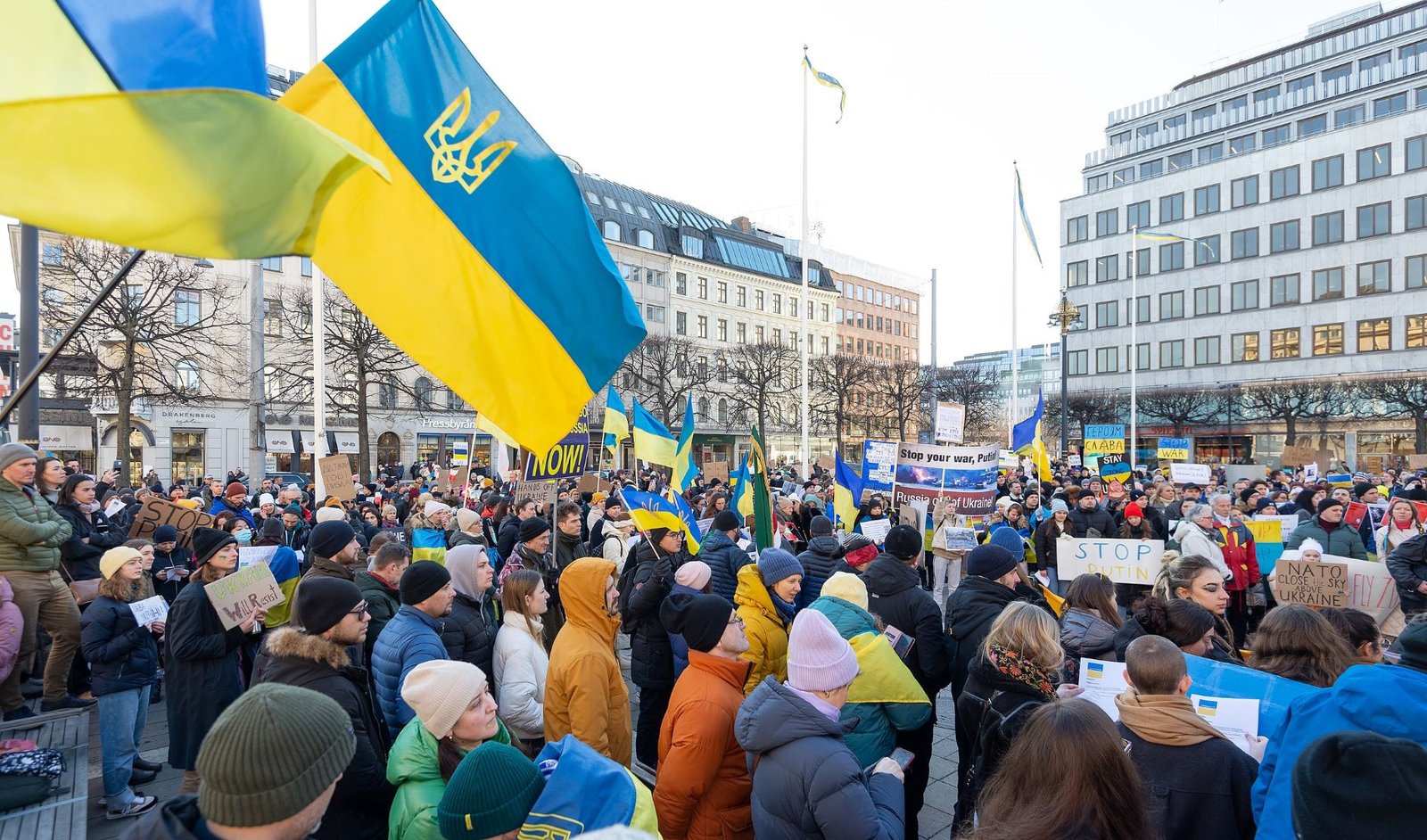
Amidst the gravity of the discussions, the resilience and spirit of the Pacific Islanders shone through. A street parade featuring dancers from across the region, including the Torres Strait, Tonga, and Samoa, carried banners with messages of defiance and hope, such as “We are not drowning, we are fighting” and “Sea levels are rising—so are we.”
Guterres’s participation in the Pacific Islands Forum marks his second appearance at the event, reflecting his ongoing commitment to addressing the challenges faced by these vulnerable nations. During his visit, he met with local communities whose livelihoods are directly threatened by rising sea levels. These communities have been waiting for years for the funding needed to build sea walls, a delay that Guterres attributed to the failures of the international financial system. “The bureaucracy, the complexity, the lack of sense of urgency because it’s a small island, far away,” he lamented.
The Secretary-General did not shy away from criticizing the world’s major emitters, particularly the G20 countries, which are responsible for 80% of global emissions. “There is an essential responsibility of the big polluters,” he said, directly addressing countries like Australia, which continues to expand its fossil fuel extraction despite the clear evidence of its environmental impact. Without significant action from these nations, Guterres warned, the world risks breaching the critical 1.5-degree Celsius threshold set by the Paris Agreement in 2015.
“Only by limiting warming to 1.5 degrees Celsius do we have a fighting chance of preventing the irreversible collapse of the Greenland and West Antarctic ice sheets—and the catastrophes that accompany them,” Guterres said, stressing the need for a 43% reduction in global emissions by 2030, and 60% by 2035. The urgency of this message is underscored by the fact that global emissions actually rose by 1% last year, despite the clear and present dangers.
Guterres’s appeal to the international community is both a warning and a call to action. “They have a clear responsibility to reverse the current trend. It’s time to say ‘enough’,” he declared, urging world leaders to take immediate and decisive action to avert the looming climate disaster.
For more information on climate action and how you can contribute, visit the UN Climate Action website.”