UK Tells Russia to End Conflict as Starmer Takes Tough Stance in Washington

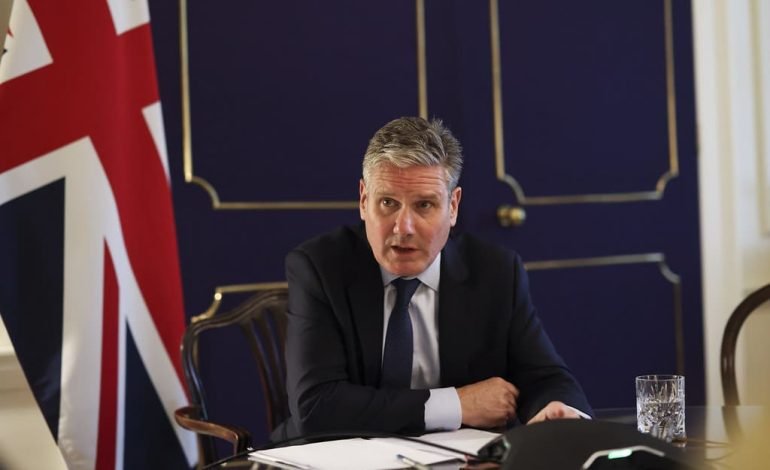
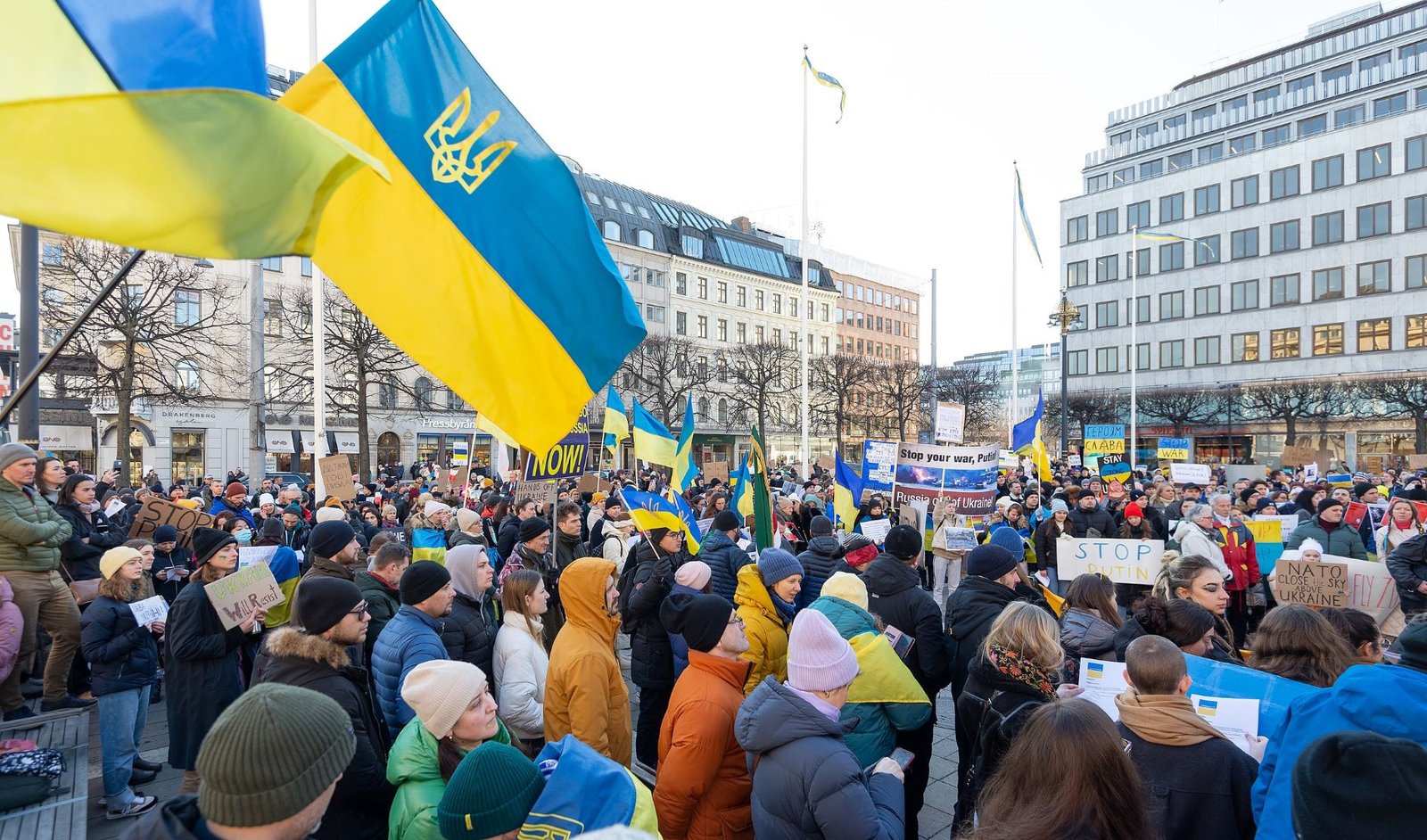
UK urges Russia to end the conflict in Ukraine, as Sir Keir Starmer, ahead of his Washington talks, stated that Russia alone can stop the war immediately. Speaking ahead of his discussions with U.S. President Joe Biden in Washington, Starmer reiterated that Russia initiated the conflict and holds the key to its resolution. His comments came after Russian President Vladimir Putin warned that the use of Western missiles on Russian territory would be seen as direct involvement of NATO countries, including the US and European nations, in the war.
Putin’s remarks on Russian state television signal heightened tensions, suggesting that Moscow views Western military aid to Ukraine as crossing a dangerous line. “It would mean nothing other than the direct participation of NATO countries in the war in Ukraine,” Putin stated. This rhetoric has amplified concerns that the conflict could escalate further, drawing Western nations deeper into the fray.
Starmer’s firm tone underscores the UK’s unwavering stance. “Russia started this conflict. Russia illegally invaded Ukraine. Russia can end this conflict straight away,” he declared, emphasizing the UK’s position on the legality and responsibility of the war. He and Foreign Secretary David Lammy are currently engaged in a diplomatic mission, aiming to strengthen alliances and discuss potential strategies as Russia seeks additional support from Iran.
David Lammy, who has been actively involved in diplomatic efforts, recently joined U.S. Secretary of State Antony Blinken in Kyiv. Lammy noted that Iran’s increasing support for Russia could shift the strategic debate among Ukraine’s allies, stating, “This clearly changes the debate.” The international community is faced with critical decisions, especially as winter approaches and pressure mounts on Ukraine’s Western backers.
The question of whether to permit Ukraine to use Western long-range missiles against targets in Russia has been a contentious topic. The Anglo-French cruise missile, known as Storm Shadow, is one such system under consideration. However, public statements by officials remain cautious, reflecting the delicate balance of supporting Ukraine without provoking a broader conflict with Russia.
Prime Minister Rishi Sunak’s diplomatic engagements underline the complexity of the current geopolitical landscape. Fresh from discussions in Washington, Sunak will travel to Rome to meet Italian Prime Minister Georgia Meloni, where the focus will likely remain on coordinating G7 responses to the ongoing conflict. This comes ahead of the UN General Assembly, where global leaders will converge to address pressing international issues, including the war in Ukraine.
Putin’s comments that NATO involvement could redefine the nature of the conflict reflect Moscow’s growing frustration with Western support for Ukraine. According to Putin, the deployment of Western technology, particularly high-precision, long-range weapons, could shift the dynamics on the battlefield, making direct NATO involvement almost inevitable.
While discussions around the conflict continue, the UK remains steadfast in its position: Russia must bear the responsibility for its actions and work towards ending the war. For Starmer and the UK government, the message is clear—this is Russia’s war to stop. As diplomatic efforts intensify, the international community watches closely, aware that the decisions made in the coming weeks could have far-reaching implications.
As diplomatic efforts intensify, understanding the broader geopolitical implications becomes crucial. For a deeper analysis of the conflict and its global impact, insights from experts can be found on the Chatham House Russia-Ukraine War page, offering valuable perspectives on the evolving situation.
For more updates on the Ukraine conflict and further insights, visit EyeOnLondon.