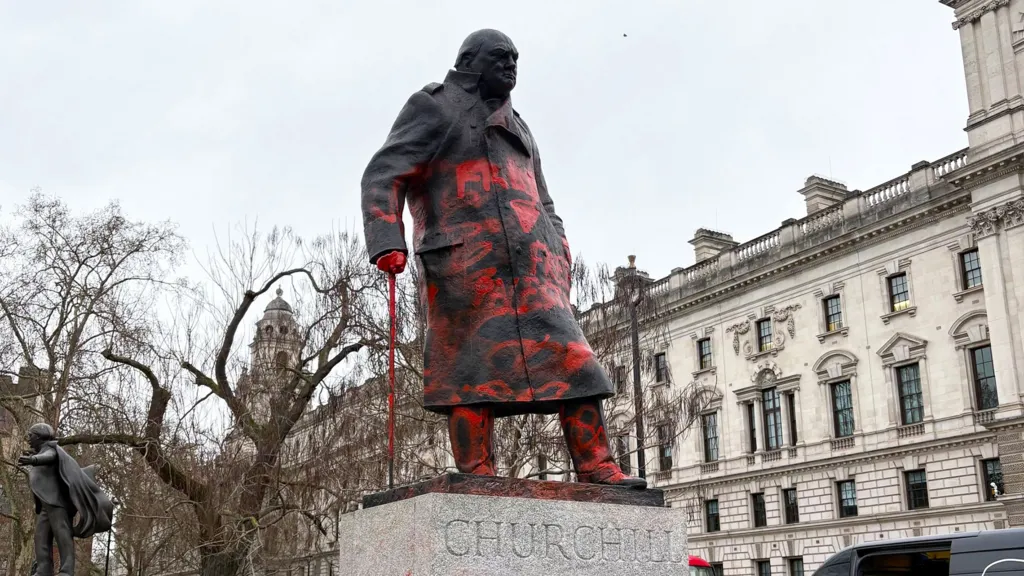
King Charles III’s recent speech at the Commonwealth summit has rekindled the UK Reparations Commonwealth debate, with calls from Caribbean leaders pushing for reparative justice. As the UK reflects on its colonial legacy, the debate intensifies over how to address historical injustices within the Commonwealth framework.
The King highlighted that “none of us can change the past,” but leaders could commit to “finding creative ways to right inequalities that endure.” His words resonated with many Commonwealth leaders who see reparatory justice as crucial to mending the enduring legacy of colonialism and the transatlantic slave trade. While he avoided directly addressing reparations, his speech set the tone for a debate that many leaders feel the UK cannot ignore.
Related Articles from EyeOnLondon:
King Charles Faces Protests During Australia Visit
Highlights of King Charles III’s Visit to Australia
King Charles and Mayor Sadiq Khan Woo Global Business Leaders for London Investment
Calls for Reparations Within the Commonwealth
Diplomatic sources indicate that some Commonwealth leaders are urging the UK to initiate a “meaningful conversation” about reparations. These calls are especially strong from Caribbean nations, where the legacy of colonial exploitation is felt acutely. Leaders from Jamaica, Barbados, and Antigua have been vocal about the need for what they term “reparative justice,” which can include monetary compensation, debt relief, educational programs, and public health support. The push for UK reparations within the Commonwealth is not just about compensation; it also addresses wider issues of systemic inequality and economic disparity that continue to impact these nations.
Ahead of the summit, Downing Street confirmed that reparations were not on the official agenda, aiming instead to focus on pressing global challenges like climate change and economic cooperation. However, Caribbean leaders, particularly from Jamaica and Barbados, voiced their intent to broach the subject independently. A draft communique circulating at the summit reportedly includes a mention of “discussions on reparatory justice,” signalling a compromise that allows the issue to remain in the conversation, albeit less prominently.
British Government’s Response
Prime Minister Sir Keir Starmer and Chancellor Rachel Reeves have both maintained that reparations are not currently part of the UK government’s agenda. Starmer remarked that slavery was “abhorrent” and acknowledged the importance of discussing history openly, but he stressed that the summit’s focus should remain on contemporary challenges. Reeves echoed this sentiment, stating unequivocally that the government has no plans for reparatory payments.
However, the UK’s position on reparations remains a contentious issue. Caribbean leaders argue that an acknowledgment of the UK’s role in the transatlantic slave trade, coupled with reparative actions, would serve as a powerful gesture toward historical accountability. As the UK grapples with its legacy within the Commonwealth, these leaders are calling for not only acknowledgment but tangible action to redress these longstanding injustices.
Local Perspectives in Samoa
The summit’s location in Samoa brought unique perspectives to the fore, with local residents expressing varied views on the reparations debate. Some, like local teacher Amanda Taavaomaalii, feel that “it’s already in the past” and are hesitant to revisit such discussions. Others, however, view the summit as an opportunity for small island nations to have their voices heard, particularly regarding climate change—a critical issue for island states that face existential threats due to rising sea levels.
As the King noted in his speech, climate change is already undermining development gains achieved in many Commonwealth nations, a challenge that disproportionately affects small island states like Samoa. By highlighting this in his speech, the King drew a link between historical injustices and contemporary issues, emphasizing the need for collaborative efforts across the Commonwealth.
UK Reparations Commonwealth Debate: A Path Forward
The UK reparations Commonwealth debate is an evolving issue that will likely shape the Commonwealth’s future. While the UK government has yet to commit to any form of reparations, the persistence of Commonwealth leaders indicates that the conversation is far from over. With some nations pushing for official apologies and financial reparations, and others calling for educational programs and public health support, the question of reparative justice remains a focal point for many Commonwealth members.
For more updates on the UK reparations Commonwealth debate and other important topics within the Commonwealth, visit EyeOnLondon for insights and coverage.