UK Advises Israel-Hezbollah Ceasefire Amid Escalating Conflict

The UK advises an Israel-Hezbollah ceasefire amid rising tensions, following a joint call from international leaders for an immediate 21-day truce. This proposed ceasefire aims to create space for further diplomatic talks and reduce hostilities in the region. The UK’s support comes as the situation on the ground continues to escalate, with hopes that the truce could lead to a longer-term resolution.
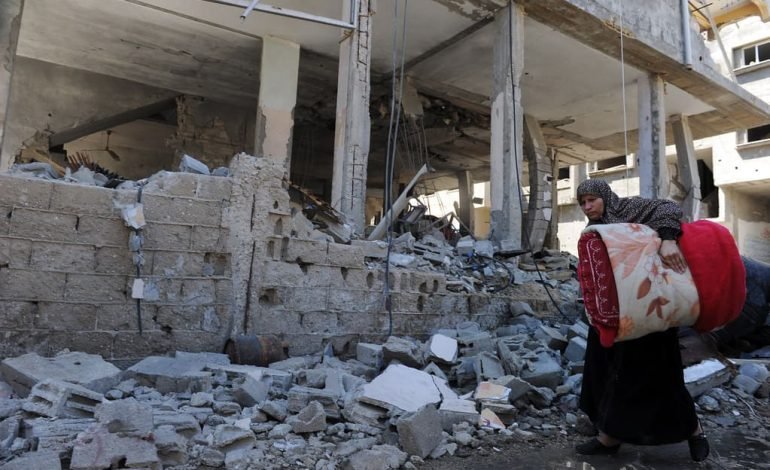
Despite the international push, fighting between Israel and Hezbollah has intensified. After the announcement, Israeli airstrikes on Lebanon, including in Beirut, continued, and Hezbollah responded with more rocket fire into Israel. The UK, like other nations, hopes the truce will lead to a longer-term settlement consistent with United Nations Security Council Resolution 1701. This resolution, established to end the 2006 Israel-Lebanon war, has seen little progress in its implementation over the years.
The proposed 21-day truce aims to create a window for diplomatic negotiations, addressing long-standing issues between the two sides. Israel seeks to secure its northern borders and return over 60,000 displaced residents to their homes, while Hezbollah wants to stop Israeli airstrikes in Lebanon and maintain its influence in the region. The challenges are immense, with both sides holding firm to their objectives.
UK officials are cautious, recognising that previous attempts at peace have faltered. They stress the importance of diplomatic engagement but are wary of the complexities involved. The US has been leading the diplomatic efforts, along with France, using the term “immediate ceasefire” for the first time since the 7th October Gaza conflict. This shift in language, however, has yet to translate into action on the ground.
Washington’s recent efforts to broker a ceasefire in Gaza have been stymied by ongoing hostilities and a lack of agreement on key issues. The current Israel-Lebanon situation, though lacking the complexity of hostage negotiations seen in Gaza, presents its own set of challenges. With thousands displaced on both sides and casualties rising, the urgency for a truce is clear, but so are the difficulties in achieving it.
Prime Minister Benjamin Netanyahu, en route to New York for the UN General Assembly, has stated that Israel has not agreed to any ceasefire yet, ordering the military to continue its operations with “full force.” Lebanese Prime Minister Najib Mikati has also denied agreeing to the proposed truce, further complicating efforts for a peaceful resolution.
The UK’s cautious stance reflects the broader international community’s concerns about the feasibility of enforcing the proposed truce. While the call for a ceasefire is a step forward, achieving it will require significant diplomatic manoeuvring and concessions from both Israel and Hezbollah.
As negotiations continue for a Israel-Hezbollah ceasefire, the international community is watching closely, hoping that this time, words will lead to meaningful action. For more updates on this developing situation and further insights, visit EyeOnLondon.
Follow us on Facebook, Instagram, X, and LinkedIn for more updates!
Subscribe to our YouTube channel for the latest videos and updates!