Trump’s Iran Letter Deepens Standoff Over Nuclear Programme

Iran’s nuclear programme remains at the centre of global concern, and the UK is watching developments closely. In a sharp rebuff this week, Iran’s newly elected President Masoud Pezeshkian announced that Tehran has rejected direct negotiations with the United States, after Supreme Leader Ayatollah Ali Khamenei received a letter from Washington dubbed Trump’s Iran letter. The rejection, though not closing the door entirely to indirect talks via Oman, demonstrates Iran’s hardened stance as tensions across the region continue to escalate.
Trump’s Iran letter captures a diplomatic moment that may have broader consequences. With Iran enriching uranium to near weapons-grade levels and the memory of Trump’s “maximum pressure” campaign still fresh, both the UK and its allies are now grappling with what this impasse means for regional stability and international security. From a British perspective, this development raises questions about the viability of future agreements and the prospects for re-engagement with Tehran through established diplomatic channels.
The background is fraught. Since Trump pulled the US out of the Iran nuclear deal in 2018, hopes of salvaging the agreement have ebbed and flowed. The situation is further complicated by Iran’s support for armed groups across the Middle East, some of whom have clashed with Western forces or allies. Most recently, US airstrikes have targeted Iranian-backed Houthi rebels in Yemen. Pezeshkian’s response to Trump’s outreach was measured, stating,
“We don’t avoid talks; it’s the breach of promises that has caused issues for us so far.”
His government is demanding proof that trust can be rebuilt, a position that reflects deep scepticism within Iran’s leadership.
Despite this, Washington insists the door remains open. A statement from the US State Department reaffirmed that President Trump is prepared to negotiate, but also warned that he “will pursue other options” if Iran refuses, language that many interpret as leaving military force on the table. In a separate conversation with reporters, Trump himself said, “I would prefer a deal to the other alternative,” hinting at the possibility of confrontation if diplomacy fails.
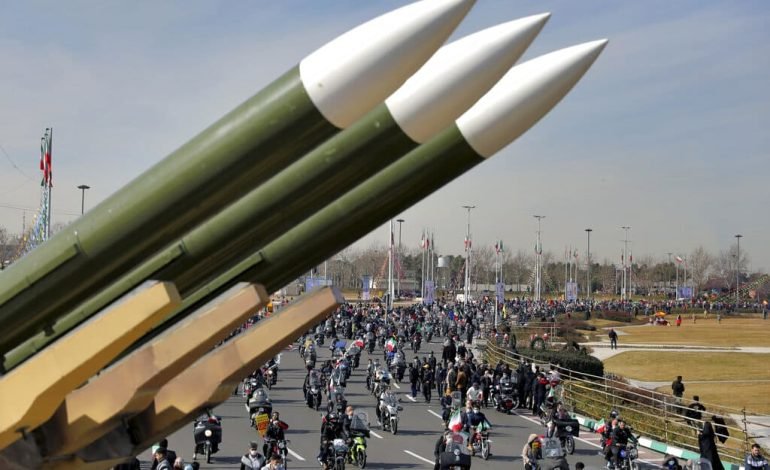
The symbolism surrounding Trump’s Iran letter also plays into internal Iranian politics. Since Pezeshkian’s election, he had been seen as a moderate voice willing to re-engage with the West. But after Khamenei publicly dismissed negotiations with Trump earlier this year, Pezeshkian shifted tone, aligning more closely with hardline rhetoric. A recent public appearance of Iran’s paramilitary Revolutionary Guard, showing off an underground missile base, drove the message home. American flags, once routinely desecrated in such settings, were conspicuously absent, perhaps signalling an attempt at strategic ambiguity. However, threats against US military bases, including Camp Thunder Cove on Diego Garcia, have resurfaced in Iranian state media, keeping tensions alive.
Meanwhile, regional dynamics continue to complicate the picture. Iran’s recent missile and drone attacks on Israel caused little damage, but drew sharp retaliatory strikes. Iran’s military remains under pressure to project strength, even as its currency slides and domestic unrest simmers. Tehran’s refusal to deal directly with Trump, analysts suggest, is also tied to the 2020 assassination of General Qassem Soleimani, ordered by Trump. Iran has not forgotten that strike, and officials have made pointed remarks about seeking justice, though Tehran denies planning any assassination plots.
Here in the UK, there is a growing sense that events in Iran are heading down a familiar but increasingly dangerous path. As part of the original 2015 nuclear agreement, Britain had hoped to encourage reform and cooperation. Those hopes have all but faded. Yet, the British government remains committed to a diplomatic solution, wary of a military escalation that could engulf the region.
As Trump’s Iran letter fades into the background, the nuclear question still looms large. Without meaningful dialogue or de-escalation, the risk of miscalculation is growing. For now, the world is left watching and waiting.
For more on international security issues and British foreign policy, visit EyeOnLondon. We’d love to hear your views in the comments.
Follow us on:



Subscribe to our YouTube channel for the latest videos and updates!

We value your thoughts! Share your feedback and help us make EyeOnLondon even better!