Sounds of coral reefs spark hope for reef restoration

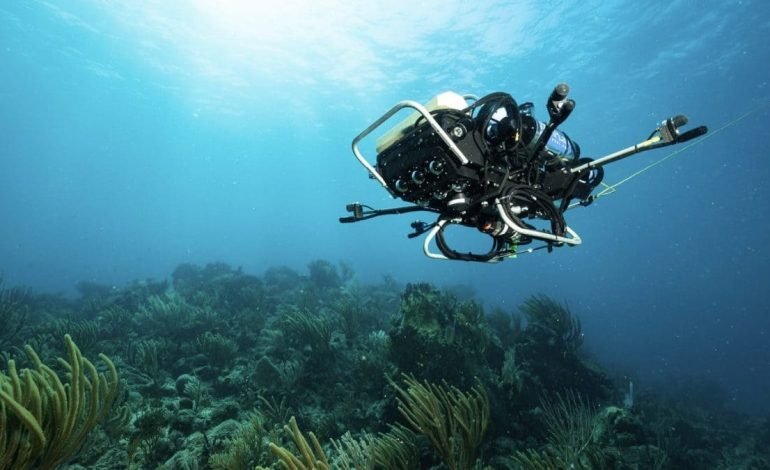
There’s new hope for the world’s coral reefs, and it’s coming through the water in the form of sound. Scientists are discovering that the sounds of coral reef environments, from snapping shrimp to fish calls, could help draw coral larvae back to damaged sites, encouraging them to settle and grow. It’s a breakthrough that could transform how we approach marine restoration, particularly in areas hit hard by climate change and rising sea temperatures.
Using underwater speakers, researchers tested whether audio recordings from vibrant, living reefs could help breathe life back into quieter, degraded ones. And the results are genuinely encouraging: coral larvae settled at up to seven times the usual rate when exposed to the sounds of bustling reef life.
This acoustic approach could offer a low-impact, scalable way to support reef recovery, particularly at a time when many reefs, including those in the Caribbean and Florida, have been hit hard by rising sea temperatures. For context, coral reefs support around 25% of all marine life, despite occupying less than 1% of the ocean floor. Their decline isn’t just an environmental concern; it’s a global issue affecting biodiversity, fisheries, and coastlines.
The project, led by researchers at Woods Hole Oceanographic Institution, focused on mustard hill coral larvae, a species native to the Caribbean. These larvae, no bigger than a grain of rice, drift through the sea during their early days before deciding where to settle for life. It turns out, the right sounds help them make that choice.
The team deployed solar-powered speakers on degraded reefs around St John in the U.S. Virgin Islands and recorded how many coral larvae settled in specially designed test areas placed at various distances. Settlement was significantly higher closer to the speakers, suggesting that reef acoustics really do help larvae locate suitable homes.
So what exactly does a healthy reef sound like? Think fish clicks, shrimp crackles, and the occasional crunch of parrotfish nibbling at coral – a natural symphony of activity. These soundscapes act as cues for all sorts of reef life, from fish to coral polyps.
The work is still in early stages, and the researchers are cautious not to overstate the findings. But the concept of “acoustic enrichment” is gaining attention. Unlike costly or invasive methods, sound-based restoration doesn’t physically interfere with the reef. It could be used alongside coral nurseries and other conservation strategies to boost natural regeneration, especially in areas struggling to bounce back after bleaching events.
The research, led by marine biologists observing coral behaviour near the U.S. Virgin Islands, found that coral larvae were significantly more likely to settle when exposed to recordings of vibrant reef life played through underwater speakers. The findings suggest sound could be a powerful tool in reef restoration, helping larvae locate and choose suitable habitats. The full study was published by Royal Society Open Science and can be read here.
The research team is now exploring how this technique could be used in reef nurseries or applied to larger-scale efforts. And while there’s still plenty to learn, such as exactly how coral larvae detect sound, it’s a hopeful reminder that sometimes, small shifts in approach can create ripple effects with real impact.
For those interested in marine science, reef restoration, or simply good environmental news, this is a development worth following. It’s a story about technology, creativity, and listening closely to what nature needs – quite literally.
For more updates on environmental innovation and the science shaping our future, visit EyeOnLondon. We’d love to hear your thoughts in the comments.
[Image Credit: Woods Hole Oceanographic Institution]
Follow us on:



Subscribe to our YouTube channel for the latest videos and updates!

We value your thoughts! Share your feedback and help us make EyeOnLondon even better!