Justice and Reckoning: The Legacy of the Pelicot Trial in 5

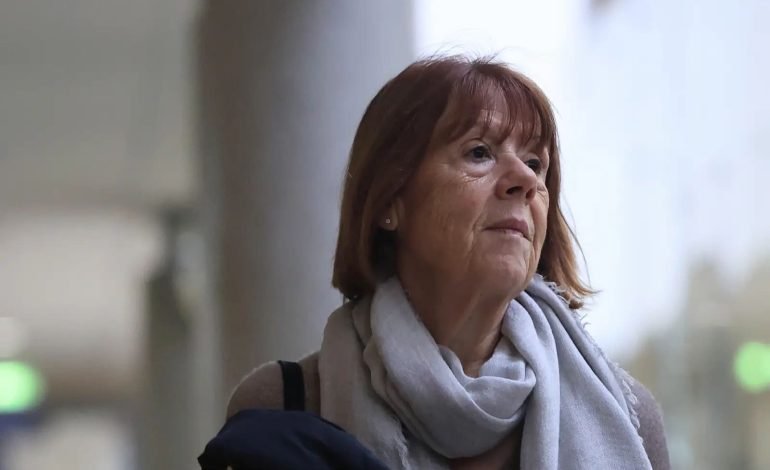
The Pelicot trial has gripped the public’s attention and ignited broader discussions about justice, consent, and the handling of sexual violence in France. As the Avignon court sentenced Dominique Pelicot to 20 years in prison for drugging and raping his wife, Gisèle Pelicot, and facilitating the abuse by dozens of strangers, the case has left a lasting mark on how society confronts these harrowing crimes. Pelicot, 72, stood trial alongside 50 other men, all of whom were found guilty, although their sentences were lighter than what prosecutors had sought.
Read More EyeOnLondon International News
A Symbol of Strength
Gisèle Pelicot, once anonymous, has emerged as a symbol of resilience. Initially stepping into court in September, she could not have foreseen the global attention her case would draw. By the end of the trial, her name and face were recognised worldwide, cementing her as a figure of courage. Despite this newfound notoriety, Gisèle has expressed no desire to take on a public role as an activist. Instead, she plans to focus on her private life, cherishing moments with her seven grandchildren and finding solace in her love for music and nature.
Her lawyer, Stephane Babonneau, remarked, “She is at peace, and relieved it’s all over,” highlighting the personal toll this trial took on her and her family.
Lingering Pain and Fractured Bonds
The trial also brought to light the suffering of Dominique and Gisèle’s children, particularly their daughter, Caroline Darian. Confronted with damning photographs and haunted by suspicions of incest, Caroline described feeling like the “forgotten victim” in the trial. Her memoir reveals strained family relationships, including her perception of her mother’s emotional distance; a fractured bond resulting from the psychological wounds that may take years to heal.
Justice Served, Yet Questions Remain
While Dominique Pelicot’s sentence is final, not all defendants are satisfied with their verdicts. Two men sentenced to eight years have already filed appeals, and more may follow within the 10-day appeal period. Others, whose sentences were reduced due to time served, could walk free soon, sparking outrage among locals and survivors alike.
In addition to his conviction for abusing his wife, Pelicot has admitted guilt in a 1999 attempted assault on a young estate agent but denies involvement in other cold cases. Investigators are revisiting unsolved crimes with similar patterns, leaving open the possibility of further charges against him.
Catalyst for Change?
For many, the Pelicot case has become a watershed moment. It has exposed gaps in French legislation regarding consent and rape, sparking calls for reforms. Activists argue that harsher penalties and better education on consent are essential steps forward. Some suggest that schools play a pivotal role in bridging the gap between what young people encounter online and the sexual education they receive.
Béatrice Zavarro, Pelicot’s lawyer, remarked that change is unlikely to stem solely from judicial reforms, emphasising the role of education in shaping societal attitudes. Meanwhile, local residents have expressed frustration at lenient sentences, believing they fail to serve as adequate deterrents.
The Conversation Continues
Although Gisèle Pelicot has chosen to retreat from the public eye, the discussions her case has ignited will persist. The trial may not have provided all the answers, but it has posed essential questions about justice, accountability, and societal attitudes toward gender violence.
Schools must play a pivotal role in bridging the gap between online exposure and sexual education, as highlighted by UN Women’s recommendations on tackling gender violence.
For more updates and insights into this and other stories, visit EyeOnLondon.