Long queues, slow systems and a warning for UK travellers heading to Spain

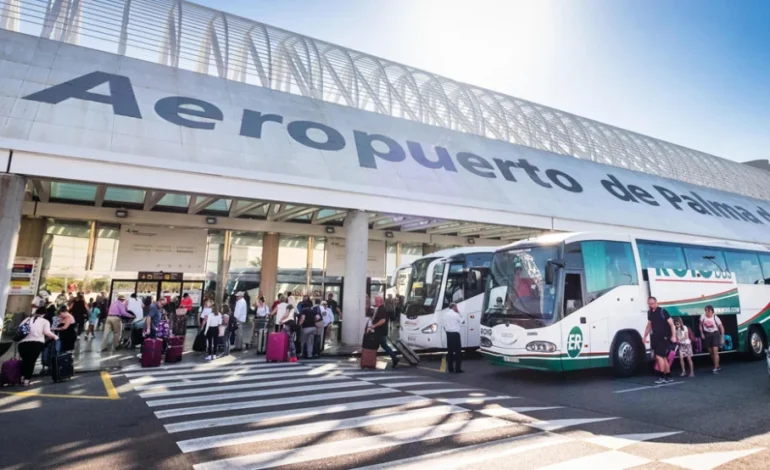
British holidaymakers arriving in Spain are increasingly finding their first encounter with the country marked not by sunshine, but by passport control delays in Spain that can stretch well beyond an hour at major airports. Spanish hoteliers and UK travel bodies are now urging urgent action, warning that prolonged queues are becoming a persistent feature rather than a seasonal glitch.
The concern centres on Spain’s busiest international gateways, where rising numbers of non-EU arrivals, including UK travellers since Brexit, are colliding with staffing shortages and border technology that is still not working at full capacity.
International — More from EyeOnLondon
Three recent reads, selected to keep you on the story.
EyeOnLondon on WhatsApp
A mobile-friendly edition, paced and edited for reading on the move.
Open the WhatsApp editionMore from EyeOnLondon
Iran unrest enters a third week
Fresh crowds, a tightening information blackout, and rising international tension.
Read the storyMore International News
Bob Weir dies aged 78
A founding member of the Grateful Dead, remembered for his sound and influence.
Read the tributeMore Arts & Culture
Hoteliers warn of damage to Spain’s reputation
Spain’s national hotels association, CEHAT, has formally called on the Interior Ministry to reinforce police staffing at border controls and ensure that new biometric systems are fully operational. The group argues that delays at passport checks are now “structural” and risk undermining Spain’s standing as one of Europe’s most competitive tourist destinations.
Jorge Marichal, president of CEHAT, said it was “unreasonable” for visitors to face queues of an hour or more after long-haul flights, adding that the issue affects not only tourists but airport staff, residents and families travelling with children or elderly relatives.
“These are not isolated incidents,” he said. “The quality of the visitor experience begins at the airport. Spain cannot allow the first contact for millions of visitors to be an endless wait at passport control.”
Brexit, bottlenecks and border technology
Much of the pressure is being felt at airports handling large volumes of non-EU passengers, particularly from the UK. Since Brexit, British travellers must be processed individually at border control rather than using EU fast-track lanes, increasing the time taken per passenger.
Compounding the issue is the phased rollout of the EU’s Entry Exit System, known as EES, which records biometric data for non-EU visitors. While the system is intended to speed up travel in the long term, industry groups say its early implementation has been uneven.
Biometric kiosks are not yet operating at full capacity in many airports, while staff shortages mean manual checks remain common during peak arrival times.
UK travel industry raises fresh concerns
The UK travel sector has echoed those warnings. ABTA has cautioned that as EES is expanded across more airports and ports, passengers may see further delays unless contingency measures are actively used.
Mark Tanzer, ABTA’s chief executive, said the transition period was always likely to be challenging.
“Eventually, EES should make passport checks quicker,” he said. “But in the short term, it can take longer. Border authorities have flexibility, including pausing the system or limiting checks, and we want those options used where queues begin to build.”
ABTA has urged travellers to prepare for delays and allow extra time on arrival, particularly during weekends and school holiday periods.
Vulnerable travellers most affected
Hotel groups say the human impact of these delays is being overlooked. Families with young children, older travellers and those with mobility needs are often required to stand for long periods in crowded arrival halls, with limited seating or assistance.
CEHAT has criticised what it describes as a lack of empathy in airport management, arguing that known pressure points have not been adequately addressed despite repeated warnings from the tourism sector.
A test for Spain’s tourism infrastructure
Spain remains one of the UK’s most popular holiday destinations, with millions of British visitors expected again this year. The concern now is whether airport infrastructure can keep pace with sustained demand while new border systems bed in.
Industry groups argue that solving the problem is less about introducing new rules and more about resourcing existing ones properly, ensuring technology works as intended and staffing levels reflect real passenger volumes.
As Marichal put it, “This is part of the Spain brand. It deserves the same care and investment as the rest of the visitor experience.”
For travellers planning upcoming trips, the message is increasingly clear: expect delays, plan accordingly, and be prepared for longer waits at passport control until systems and staffing catch up.
For more clear, independent reporting on travel, tourism and how policy changes affect everyday journeys, follow EyeOnLondon. We welcome readers’ experiences and views in the comments.
[Image Credit | SkyTrax]
Follow us on:



Subscribe to our YouTube channel for the latest videos and updates!

We value your thoughts! Share your feedback and help us make EyeOnLondon even better!