Noah Lyles paced anxiously on the far end of the track, his hands folded over his head, staring at the scoreboard. It was a moment of intense anticipation, three years of relentless training distilled into a few seconds of waiting. Would all the toil since the last Olympics—the sweat-soaked hours on the practice track and in the weight room—prove worthwhile?
As the seconds ticked by, the answer finally flashed on the screen. Yes, Lyles is the 100-metre champion at the Paris Olympics, earning the coveted title of the World’s Fastest Man. But it was a victory by the slimmest of margins. Lyles edged out Jamaica’s Kishane Thompson by a mere five-thousandths of a second—just 0.005 ticks of the clock—in a race that will be remembered for ages. The final times: Lyles at 9.784 seconds, Thompson at 9.789.
‘The best 100m final ever’ – Highlights & reaction | Paris 2024 Olympics | BBC Sport
Before heading to Paris, one of Lyles’ physio team members had predicted a razor-thin finish. “He said, ‘This is how close first and second are going to be,’” Lyles recalled, pinching his thumb and forefinger together. “I can’t believe how right he was.”
For perspective, the blink of an eye takes about 0.1 seconds, twenty times longer than the gap between Lyles and Thompson. The finish was so close that when the sprinters crossed the line and “Photo” appeared next to the names of Lyles, Thompson, and five others in the eight-man field, Lyles walked over to Thompson and said, “I think you got the Olympics, dog.” Thompson, unaware of his exact position, replied, “Wow, I’m not even sure, because it was that close.”
Time revealed the winner. When Lyles’ name appeared first, he ripped his name tag off his bib and held it high. Moments later, he shouted into the TV camera, “America, I told you I got this!”
The top four finishers were separated by less than 0.03 seconds, and the top seven within 0.09 seconds. American Fred Kerley came third at 9.81 seconds. “That’s probably one of the most beautiful races I’ve been in,” he said. In the photo finish, Kerley’s orange shoe crossed the line first, but it’s the chest breaking the barrier that counts, and Lyles’ chest crossed first.
This 100-metre final was the closest 1-2 finish since at least Moscow in 1980, possibly ever. Back then, Britain’s Allan Wells narrowly beat Silvio Leonard in an era without electronic timers precise to the thousandth of a second.
Noah Lyles admitted that during the excruciating wait, he worried he might have dipped his chest too soon. “But I would say I have a decent history with dipping,” he said, recalling high school and junior races he won with the same technique.
The 9.784-second finish marked a new personal best for Lyles and made him the first American champion in the marquee race at the Olympics since Justin Gatlin in 2004. Lyles hopes to revitalise the sport to its glory days, reminiscent of when Carl Lewis and Edwin Moses were household names, captivating audiences worldwide.
After settling for bronze in the 200 metres at the COVID-impacted Tokyo Olympics, Lyles dedicated himself to bettering his mental health and took on the new challenge of the 100 metres. Training was grueling, especially for a sprinter not known for great starts, but he persevered. Winning the world championships last year and then the 200 metres solidified his aim for Paris.
Facing formidable competitors like Thompson and Jamaica’s Oblique Seville in the Olympic final, Noah Lyles knew the race wouldn’t be a walk in the park. Thompson even adopted Lyles’ signature primal scream during the introduction, which Lyles found amusing. “I thought, ‘Man, that’s my thing, that’s crazy,’” he said.
Lyles galloped and leapt down the track before returning to the starting line, waiting three minutes for the gun to finally sound. It was worth the wait.
What made the difference in this race? Lyles’ closing speed, his lean at the finish, and his ability to stay in reach over the first 60 metres—all contributed to his triumph. “Everyone in the field came out knowing they could win this race,” Lyles said.
It took 9.784 seconds, followed by about 30 seconds more, for the scoreboard to confirm the name of the new Olympic champion. “Seeing that name, I was like, ‘Oh my gosh, there it is!’” Lyles exclaimed.
Gold and Bronze for Ukrainian High Jumpers
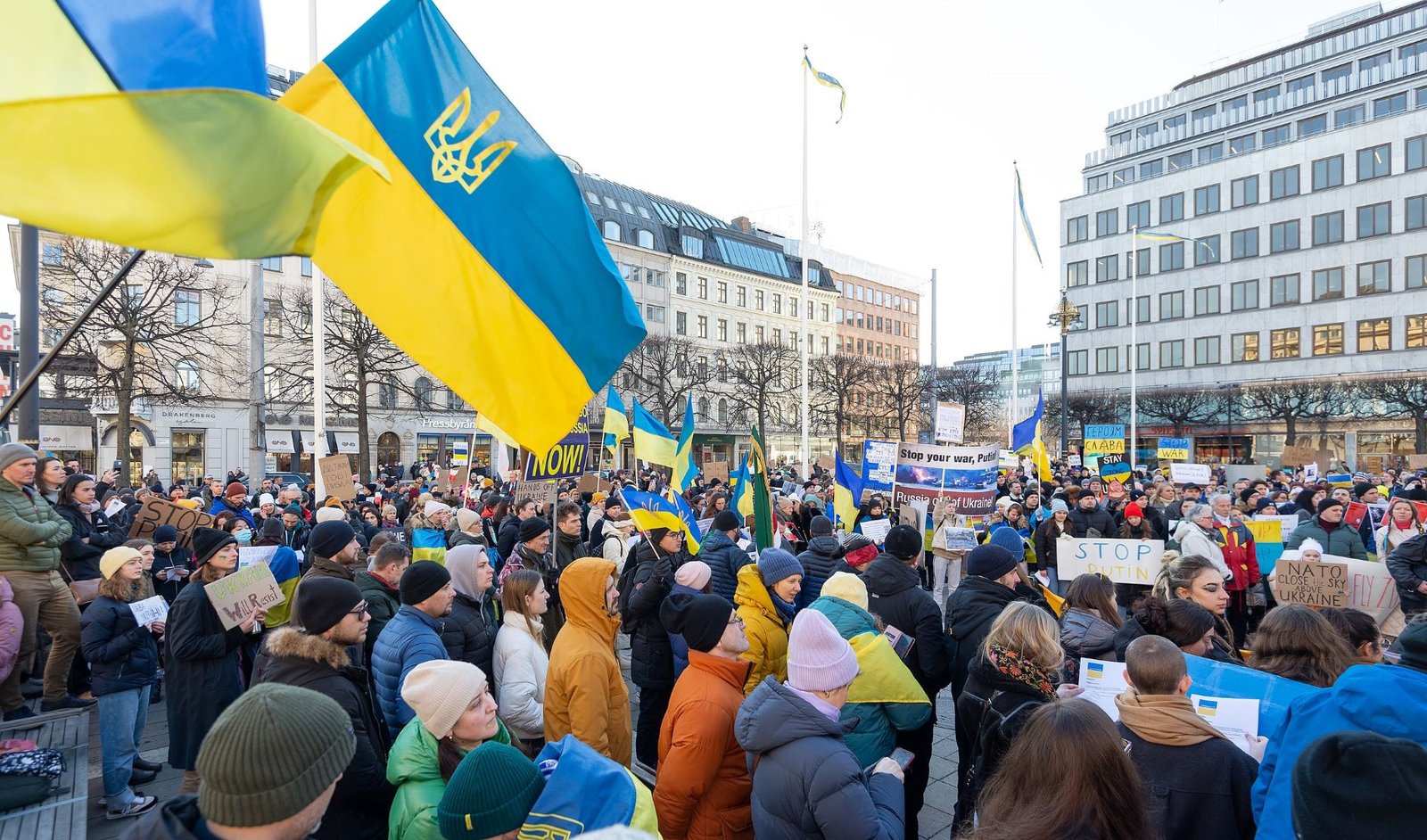
In a heartwarming victory for Ukraine, Yaroslava Mahuchikh won Olympic gold in the high jump, with her teammate Iryna Gerashchenko taking bronze. The two celebrated by parading their blue-and-yellow flags around the track, a poignant moment for their war-torn country.
For further insights and updates, visit the British Athletics.
[Image Credit: Wikimedia Commons]