Met Police accused of failing whistleblower as pressure mounts on Chief Constable Catherine Roper

t’s a story that cuts to the heart of public trust in British policing. The Metropolitan Police is once again in the spotlight, and this time the focus is on one of the country’s most senior officers, Catherine Roper. The controversy surrounds the handling of sexual misconduct allegations within the force, not by just any officer, but one who had been part of the same squad as Wayne Couzens, the ex-officer convicted of Sarah Everard’s murder. And at the centre of the storm is the accusation that Roper, now Chief Constable of Wiltshire Police, oversaw a unit that attempted to discredit a whistleblower who exposed a pattern of predatory behaviour.
The case involves Lorraine, a woman who spent seven years pushing for justice after raising concerns about PC Philip Hunter, a now-retired officer who had abused vulnerable women during welfare checks. Instead of being taken seriously, Lorraine found herself accused of having mental health problems by Roper’s then-professional standards unit. Her records were reportedly passed to the Stalking Threat Assessment Centre, and there were attempts to contact her GP and social services, all without her consent.
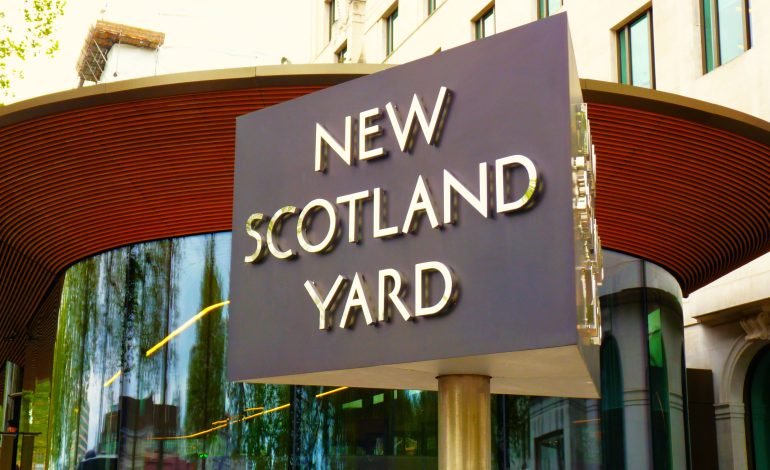
A letter from Acting Detective Chief Superintendent Neil Smithson dated 20th March 2025 confirms these actions and apologises unequivocally for what he described as “victim-blaming.” It’s a rare admission from within Scotland Yard, and it follows years of campaigning by Lorraine and her legal team. But while apologies have been issued, no formal action appears to have been taken against those in leadership roles at the time – including Roper.
For many, the case has reopened wounds around institutional failures in policing. Lorraine’s case was delayed for 18 months before it was even logged as an official complaint, despite there being a second victim. Hunter, who had been attached to the same specialist unit as Couzens, went on to face gross misconduct charges only after two women came forward independently. Even then, the initial hearings were held in secret. Hunter is now barred from police work but continues to live and work freely as a former London black cab driver.
These shortfalls don’t just concern the misdeeds of a single officer. It demonstrates a structural issue in how complaints, particularly from women, are treated. Lorraine’s lawyer, Joanna Khan of Bhatt Murphy Solicitors, has said her client was “preyed upon” by Hunter and “failed for many years” by those within the Met who should have acted. Khan called for a full investigation into Roper’s conduct, pointing out that while her client has suffered lasting trauma, Roper has not only avoided consequence but advanced to one of the top posts in British policing.
In response, the Independent Office for Police Conduct (IOPC) confirmed that complaints had been received and processed through proper channels. However, they also confirmed that no current disciplinary action is under consideration against Roper, following a previous review. The Wiltshire Office of the Police and Crime Commissioner has stated that while it is aware of the background to the complaints, it considers the matter closed unless new evidence is presented.
What unsettles many Londoners is the contrast between Roper’s current advocacy on violence against women and her past record. Just two months ago, she was photographed meeting the Queen to discuss safeguarding efforts. Yet, the woman who first turned to her for help now claims she lives in fear, unable to trust the force to protect her should she need it again.
As part of the Met’s clean-up operation, 137 officers and staff were arrested for domestic or sexual abuse offences in 2024, a sharp rise from previous years. However, Lorraine’s case raises the question: what happens when the failure comes not just from a rogue officer, but from those charged with holding them to account?
For those who remember the Casey Review’s searing assessment of the Met as institutionally misogynistic, Lorraine’s case feels like more proof that reforms still haven’t filtered down where it matters.
The Met Police are under fire once again for the same reasons it has been for years and Londoners are left wondering when real accountability will come. As part of wider efforts to improve public trust, the Met has outlined updated safeguarding procedures under its Violence Against Women and Girls strategy, but campaigners argue these policies mean little if victims are not treated with respect from the moment they speak up.
For more updates on misconduct cases within British policing and further insights, visit EyeOnLondon. We’d love to hear your views in the comments.
Follow us on:



Subscribe to our YouTube channel for the latest videos and updates!

We value your thoughts! Share your feedback and help us make EyeOnLondon even better!