This month marks the launch of a long-awaited government consultation on a men’s health strategy in the UK, with health professionals calling it a necessary first step to addressing an issue that has quietly worsened for decades. Men in Britain are far more likely than women to die young, struggle with mental health in silence, and avoid routine health checks, often until it’s too late.
The numbers are stark. On average, men in the UK live four years less than women, and they’re nearly 60% more likely to die prematurely before the age of 75. Heart disease, liver conditions, lung cancer, and suicide continue to rank high among the causes, yet many of these cases could be caught or managed with earlier intervention. The problem isn’t just biology; it’s also about access, awareness, and attitudes.
Latest UK News from EyeOnLondon
Andrew Harrison, who ran a men’s clinic in Bradford, recalls one telling moment when a young man avoided reception and instead scaled a drainpipe to ask for condoms through a window. “He was too embarrassed to come in and speak to someone,” says Harrison. “That one act sums up a lot of what we’re dealing with, men taking risks, and not knowing how to engage with health services.”
The challenges go beyond embarrassment. According to Professor Alan White, founder of the Men’s Health Forum, many men simply don’t develop the habits or language to talk about their health. “Men’s health tends to plateau in their teens and 20s,” he explains.
“Unlike women, who interact with the health system more regularly through contraception, pregnancy or screenings, men can go decades without seeing a professional.”
Deprivation plays a major role too. In the UK’s poorest areas, men are 3.5 times more likely to die before 75 than those in wealthier postcodes. The gap in life expectancy between the top and bottom 10% is over ten years. “This is about class, about work, and about geography,” says Mark Brooks, policy adviser to the All-Party Parliamentary Group on Men and Boys. “You can’t ignore the fact that men in manual jobs including, construction, manufacturing and transport, face real barriers to accessing healthcare.”
One example is the NHS Health Check, offered every five years to adults aged 40–74. It’s free and potentially life-saving, but fewer than four in ten men take it up. “If you’re on a building site or shift work, it’s not easy to take time off for a check-up,” Brooks adds. He wants to see a legal right to paid time off for health checks, and for services to be brought closer to where men actually work.
There’s also concern that traditional mental health support doesn’t always suit how men experience or express distress. Three-quarters of people who die by suicide are men, yet only a third of those referred for talking therapies are male. “Men are less likely to say they’re anxious or depressed,” says Professor White. “They might become withdrawn, drink more, or lash out and that doesn’t always get recognised for what it is.”
Ethnic differences add further complexity. Black men are twice as likely to develop prostate cancer. Men from Indian or Bangladeshi backgrounds face higher risks of diabetes. Tailoring services to these differences is one of the challenges that a national men’s health strategy will need to address.
However, there are reasons to feel hopeful. Pilot programmes across the UK are already showing promise. In Leeds, a six-week mental fitness initiative created in partnership with the Movember campaign and NHS staff has now been adopted by Leeds United Football Club to support their youth players. “The focus is on building resilience through everyday habits,” says Professor Paul Galdas, who helped develop the programme. “It might be going for a walk, seeing friends, tracking sleep or setting goals – whatever helps keep men feeling steady.”
Similar schemes are popping up around the country. The Men’s Sheds movement, which encourages men to work on practical projects in a group setting, has become a low-pressure way to support emotional wellbeing and social connection – often without framing it as “therapy.”
Back in 2022, the government introduced a women’s health strategy that led to a network of new hubs and dedicated policy attention. Experts hope this new consultation could do the same for men, helping turn isolated community efforts into something more coherent.
Still, much of the work will rely on individual engagement. “This strategy has to shine a spotlight,” says Professor White, “but men need to act too.” He offers a few straightforward tips: know your waist size, go for health checks, and talk to someone if you notice something unusual.
“If you’re not feeling yourself, physically or mentally, don’t wait. Do something.”
For more updates on the men’s health strategy, access to care, and wellbeing initiatives that matter to Londoners, visit EyeOnLondon. We’d love to hear your views in the comments.
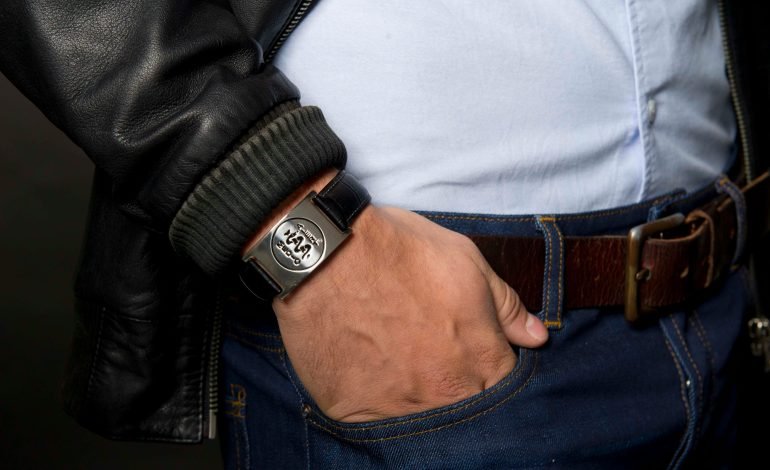
[Image Credit: MedicAlert UK]
Follow us on:



Subscribe to our YouTube channel for the latest videos and updates!

We value your thoughts! Share your feedback and help us make EyeOnLondon even better!