999 should be used “wisely” says Ambulance Service


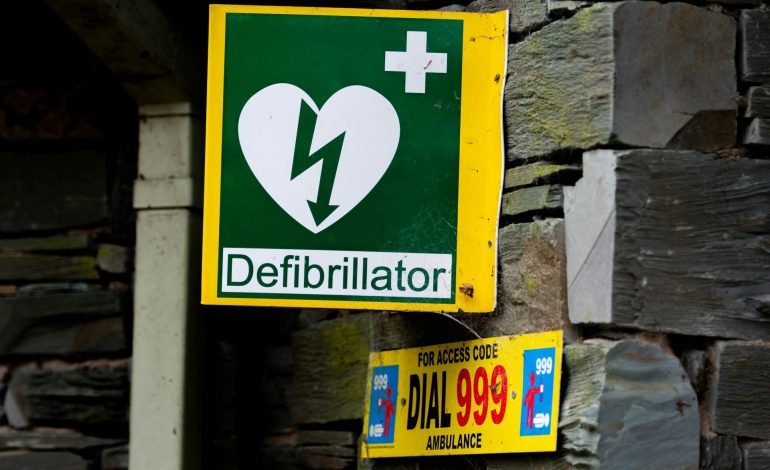
Londoners are being urged by the ambulance services to celebrate safely, look after themselves, and only call 999 for serious medical emergencies. This comes as the nation’s busiest ambulance service prepares for an increase in alcohol-related calls.
London Ambulance Service has been busy over the past few weeks. Demand for ambulances is expected to be high around this time of the year as people celebrate with friends and colleagues before the “Christmas getaway” which, according to driving organisation the AA, starts on Friday, 20th December.
“The winter period is always busy for us – especially towards the end of the week and at weekends,” Darren Farmer, Director of Ambulance Services, said. “This month, 999 calls for all emergencies are up around six per cent on Thursday, Friday and Saturday nights compared with the same period in Spring. However, in the past few weeks, we have seen a rise in alcohol-related incidents at the end of the week of up to 38 per cent which clearly shows the impact Christmas celebrations are having on our services.”
As London prepares to celebrate Christmas and New Year with friends, family, and colleagues, the ambulance service has seen demand rising to levels usually seen on New Year’s Eve. One recent day saw over 7,000 calls to 999 taken.
“We are seeing around 600 alcohol-related incidents every week – which includes people passing out, injuring themselves and becoming violently unwell,” Chief Paramedic Pauline Cranmer said. “These incidents are entirely avoidable, but they take up our resources and our crew’s vital time. Patients who have collapsed or are unconscious because of alcohol usually get a priority response, but this means other critically ill patients may be left waiting for an ambulance. Our message to Londoners is to have a good time, but drink responsibly.”
“Our key message to those who are planning to enjoy the festive season with alcohol is to eat before they consume alcohol, remember to pace their drinking and always plan their journey home ahead of consuming alcohol.”
As a result of this rise in demand, the service has moved to its highest level of escalation, Resource Escalation Plan 4 (REAP 4), which indicates ‘extreme pressure’ on the service. People going out are reminded to dress for the weather, eat before drinking alcohol, and plan their journeys so they can make it home safely.
The message is set to be shared with users of TfL with voices of ambulance staff “ringing out” across the transport network urging people to take care as they travel.
Stay tuned to EyeOnLondon for the latest news and expert opinions.
Follow us on:



Subscribe to our YouTube channel for the latest videos and updates!

We value your thoughts! Share your feedback and help us make EyeOnLondon even better!