London Underground disruption after substation fire causes power cut

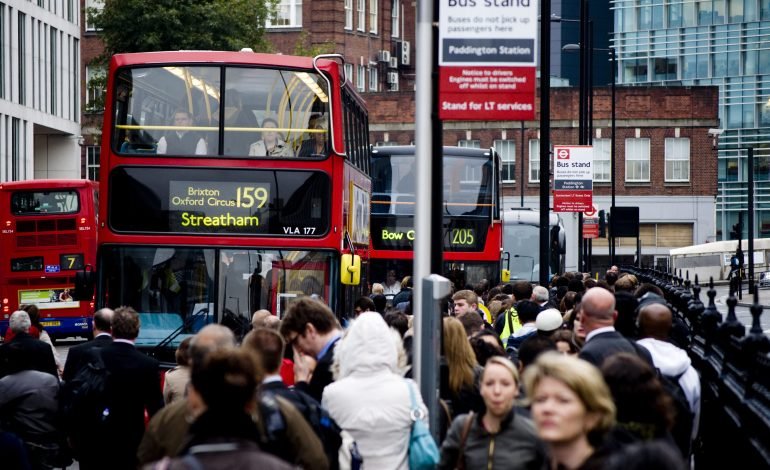
A major London Underground disruption unfolded on Monday afternoon after a fire at a substation in west London triggered a sudden power cut. Large sections of the Tube, including the Elizabeth line between Paddington and Abbey Wood, came to a halt just after 2pm, leaving many Londoners facing long delays, packed buses, and wet walks home in the middle of a thunderstorm.
The incident originated in Maida Vale, where high-voltage cabling at an electrical substation caught fire, damaging three metres of crucial infrastructure. The power outage caused several key lines, including the Northern, Jubilee and Bakerloo, to grind to a standstill. Although some services began to recover later in the afternoon, disruption continued into the evening, with severe delays reported on the Bakerloo line well past 8pm.
The power cut, believed to have been caused by a technical fault in the transmission network, resulted in a sudden stop to services. A representative said the trains didn’t lose all power thanks to emergency systems, but they did stop, and safety protocols meant stations had to be cleared. “You may have seen people stuck in tunnels, but nothing for an unusual amount of time,” said one transport official. “Some stations had to be evacuated because when you lose mains electricity, there’s a risk assessment involved.”
Many passengers were turned away from Paddington station altogether as Elizabeth line platforms went dark. One member of staff was overheard telling travellers that “the lights just went off” before services were suspended. Though most services were up and running again by early evening, delays on the Bakerloo line continued past 8pm.
The disruption extended beyond transport. Shops, offices and cafes just south of Oxford Street reported brief outages and payment system failures, affecting trade during one of the busiest times of the week. Business groups have since called for an urgent review into what went wrong and how to strengthen power infrastructure in the city.
“This power cut created significant disruption for commuters and businesses alike,” said one central London business leader. “While we’re relieved services resumed fairly quickly, it’s not enough to move on without answers. We need confidence that this won’t happen again.”
Transport authorities have echoed that sentiment. While they stressed the issue lasted only minutes in terms of the power outage itself, they acknowledged the knock-on effects caused considerable travel disruption. Engineers have since repaired the damage to the high-voltage cables, but the event has exposed vulnerabilities in an ageing network already under pressure.
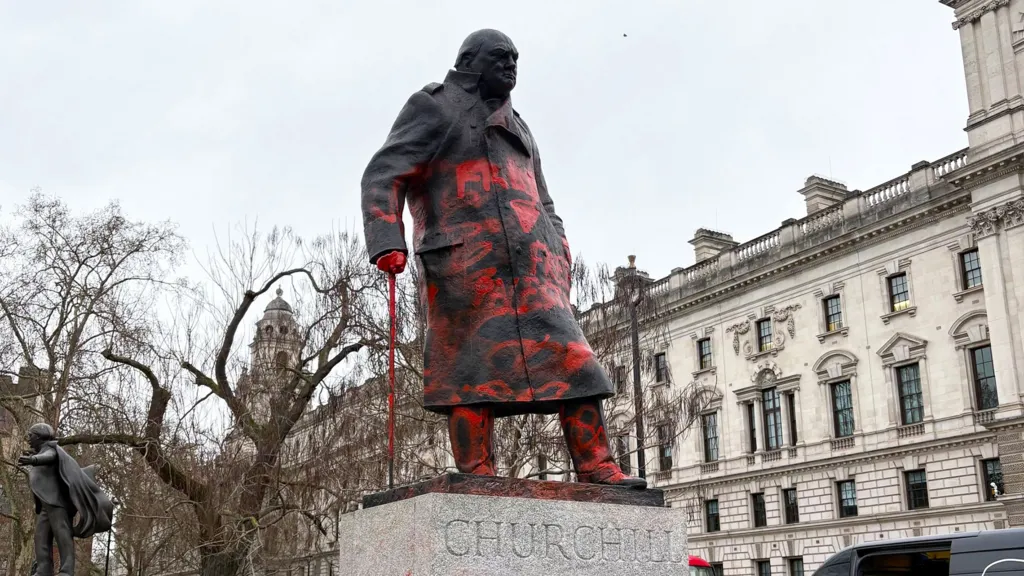
Calls for resilience planning are growing, with one City Hall figure noting that this was the latest in a series of recent infrastructure scares, including incidents at Heathrow and in other west London locations. “We’re paying some of the highest transport fares in Europe,” he said. “And what do we get in return? Delays, cancellations, graffiti and now a transport network brought down by a single electrical fault.”
The situation also caused TfL’s website to crash temporarily as thousands tried to find updates and alternative routes. Although no serious injuries were reported, the sense of confusion left many asking what safeguards are in place to prevent a repeat. As summer approaches and the risk of further pressure on the grid increases, these are questions that can no longer be ignored.
For more updates on London’s transport network and further insights, visit EyeOnLondon. We’d love to hear your views in the comments.
Follow us on:



Subscribe to our YouTube channel for the latest videos and updates!

We value your thoughts! Share your feedback and help us make EyeOnLondon even better!