Illegal seahorse trade uncovered in global smuggling networks

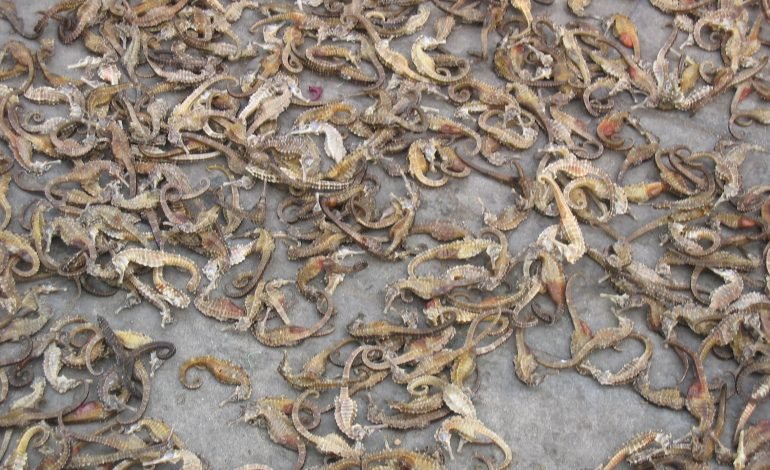
It’s not only elephants and pangolins that are targeted by traffickers. A new study has revealed that the illegal seahorse trade is thriving across international borders, with close to five million seahorses seized by authorities over the past decade, many of them hidden in air passenger luggage or tucked into sea cargo containers.
The study, which looked at seizure records between 2010 and 2021, paints a detailed picture of a global network stretching from Latin America and Europe to major markets in Hong Kong and mainland China. Dried seahorses, often used in traditional medicine, were the most commonly intercepted, with many discovered in transit or destination countries. For British readers familiar with customs controls at airports, the scale of this operation is staggering, highlighting a broader problem within wildlife trafficking.
While enforcement agencies reported nearly 300 separate cases, researchers stressed that the true extent of the illegal seahorse trade is likely far greater. With the majority of incidents never publicly disclosed, the findings only scratch the surface. Crucially, the study points out that these marine animals are being trafficked alongside well-known species like ivory and pangolins, a reminder that illegal trade doesn’t just threaten land-dwelling creatures.
Some of the largest hauls came through shipping ports, suggesting that while air travel captures smaller quantities, sea cargo may be the bigger pipeline. The research also uncovered the limited legal consequences for offenders, only 7% of reports mentioned legal penalties, and that raises concerns about whether enough is being done to deter future smuggling.
What makes the illegal seahorse trade even more difficult to police is that international trade of these animals is permitted under the Convention on International Trade in Endangered Species (CITES) – but only if it doesn’t damage wild populations. Proving sustainability, however, remains complex, and many exporters sidestep the system entirely.
Experts argue that efforts to tackle this trade will need to go beyond enforcement. Many communities rely on catching seahorses as a source of income, so any solutions must include viable alternatives or pathways to legal, sustainable trade. There’s a strong conservation case here, not only for seahorses themselves but for what they represent. They’re often considered an indicator of healthy marine ecosystems, and their protection has a ripple effect on wider biodiversity.
The findings also show that marine trafficking follows many of the same routes and methods as other forms of wildlife smuggling, such as ivory or exotic pets. The networks involved are often organised and international, making enforcement particularly challenging. As patterns evolve, authorities may need to adapt their approach to keep pace with how these goods are moved.
For readers interested in supporting marine conservation or learning more about how this kind of trafficking is tracked, the full study is available via ScienceDaily, which explores both the environmental and policy implications.
For more updates on science & environment, visit EyeOnLondon for continuing coverage. We’d love to hear your views in the comments.
Follow us on:



Subscribe to our YouTube channel for the latest videos and updates!

We value your thoughts! Share your feedback and help us make EyeOnLondon even better!