“I think the most interesting finding of the last decade, in all of science: when you contract your muscles, they literally secrete these proteins into your bloodstream that make you resilient to stress and can protect you from depression. The scientists call them ‘Hope Molecules’. This idea that your muscles are manufacturing antidepressant molecules and the only way to get them into your bloodstream is you have to contract your muscles. It’s like a pharmacy in your muscles and the only thing you have to do is contract them. Anything you do to contract them, walking, hiking, running, dancing, weightlifting, swimming, anything, you’re going to be dumping hope molecules into your bloodstream. They also help people recover from trauma. It’s like a miracle.”
Motivating words from psychologist Kelly McGonigal, author of The Joy of Movement: How Exercise Helps Us Find Happiness, Hope, Connection and Courage.
The scientific term for these miraculous molecules is myokines. They can boost your metabolism, lower inflammation, promote the growth and proliferation of healthy new blood vessels and neurones, thus quickening healing and improving mood, focus, sleep quality and even appetite regulation.
The physiological wonders of myokines extend beyond just a mental lift. They are crucial for overall health.
One of the stars of the myokine crew is Brain-Derived Neurotrophic Factor (BDNF), affectionately dubbed “fertiliser for the brain”. BDNF plays a vital role in neuroplasticity, the brain’s ability to form new connections throughout life. This remarkable ability is essential for maintaining cognitive function and preventing neurodegenerative diseases. Think of it as a protective shield for the brain.
BDNF production is amplified by two other superstar myokines: irisin and interleukin-6 (IL-6).
More Health & Wellbeing from EyeOnLondon
Evidence-led reporting on training, performance and the science of movement.
Top fitness trends 2025–2026
The training methods and performance shifts shaping London’s evolving fitness culture.
Read the full reportWhat is Hyrox?
Inside the high-intensity competition format redefining hybrid endurance training.
Read the full reportThe science of the mind-muscle connection
How focused contraction may influence strength gains and neurological adaptation.
Read the full reportIrisin is secreted by skeletal muscle during exercise and plays a significant role in energy metabolism. It helps convert white fat, which stores energy, into brown fat, which burns energy, aiding weight management and improving metabolic health. Additionally, irisin has been linked to neuroprotection, enhancing cognitive function and contributing to overall brain health.
IL-6, on the other hand, is a cytokine involved in immune response and inflammation. Released from muscles during exercise, IL-6 promotes fat oxidation, improves insulin sensitivity and regulates inflammation throughout the body. Its exercise-induced release can aid recovery, enhance mood and potentially reduce the risk of chronic diseases such as type 2 diabetes and cardiovascular disease.
You also have these miracle molecules to thank for that exhilarating post-workout high. They create the surge of feel-good neurotransmitters such as serotonin, dopamine and endorphins experienced after a good session. It is nature’s own mood booster.
What is even more groundbreaking? Promising research suggests that myokines may inhibit cancer progression, with studies indicating they can suppress tumour growth during exercise-induced release. This information is both exciting and empowering. It is a compelling reason to move.
Cutting through the scientific complexity, the takeaway message is simple: get moving. The type of exercise does not need to be complicated. As long as muscles are contracting, something beneficial is happening for body and mind. Choose a form of exercise that you enjoy. The key is consistency.
To live a healthier, happier and longer life, strive for a balanced approach to fitness. Different forms of exercise confer a variety of benefits. Mix up workouts and find joy in movement. Muscles and mind will thank you.
It is time to unleash the potential of those Hope Molecules.
UK Exercise Guidelines
UK exercise guidelines state that all adults should perform muscle-strengthening activities on two days a week in addition to 150 minutes of aerobic activity per week.
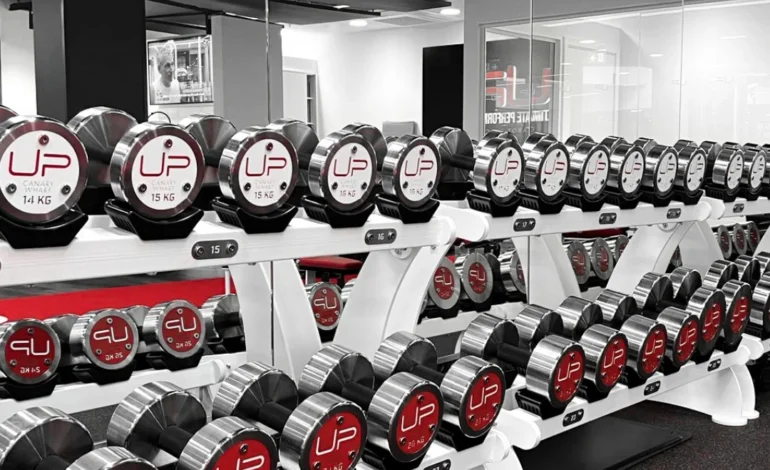
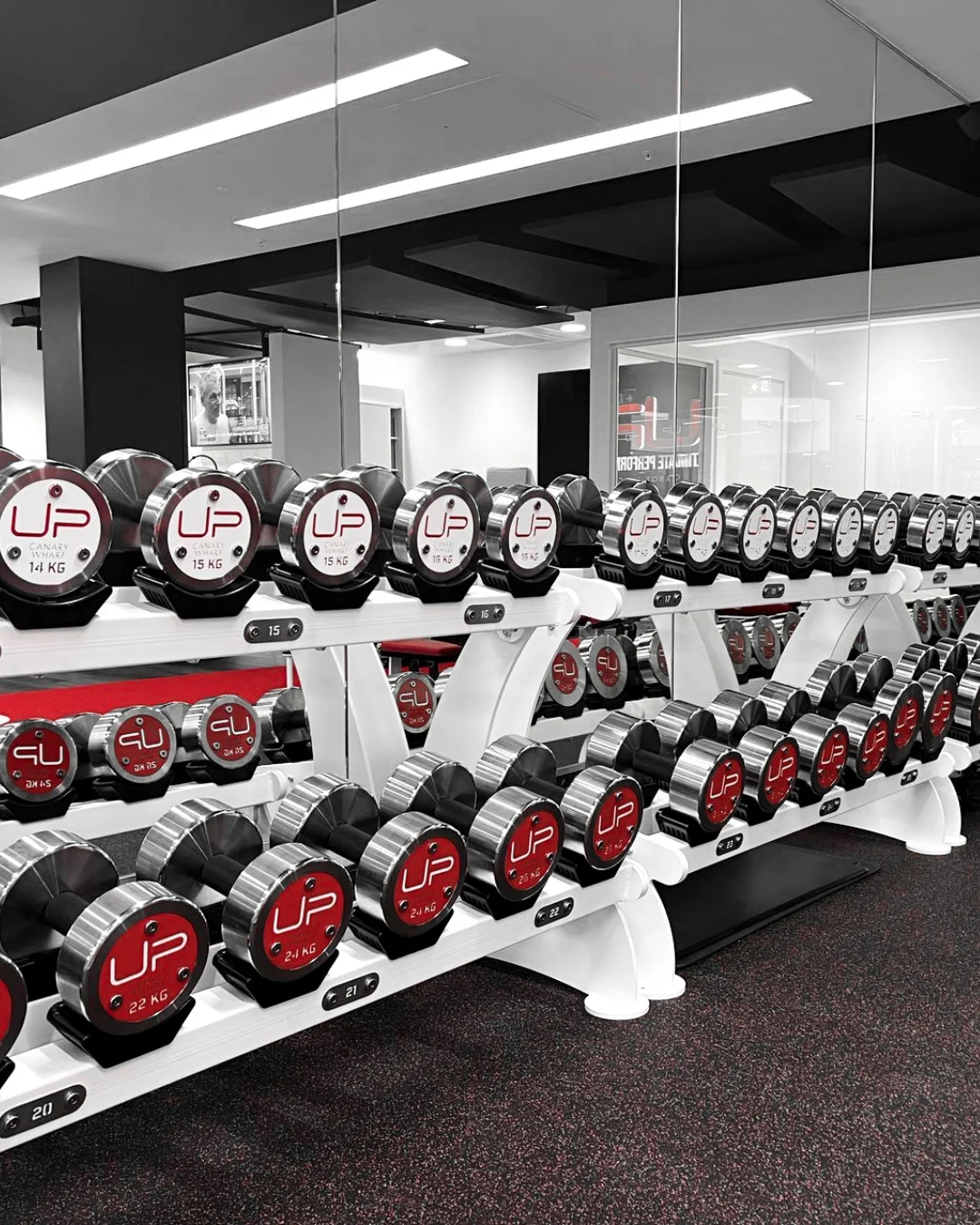
Resistance Training
Resistance training can build new muscle and increase bone density, reversing the sarcopenic effects of ageing and preventing frailty, while generating neuroplasticity and helping prevent neurodegeneration.
One study showed that lifting weights for less than an hour a week reduces the risk of heart attack and stroke by up to 70 per cent, independent of aerobic training. Numerous studies have shown that strength training significantly lowers the risk of type 2 diabetes, cardiovascular disease and cancer.
Weight training can combine these aspects of fitness. Lifting relatively light weights can reduce pressure on sensitive joints. Slowing down movement and increasing time under tension can stimulate the same degree of muscle development as heavier loads. Moving through a full range and feeling a stretch at the end point helps maintain mobility.
Exercising one body part directly after another without rest can provide a cardiovascular workout in itself.
Functional Training
Drills performed by footballers, gym classes or even dancing can increase and maintain balance and coordination.
Stretching keeps muscles supple and helps maintain or improve range of movement and mobility, while also reducing inflammation at the cellular level.
Many gyms offer classes designed specifically with older adults in mind.
Cardiovascular Exercise
Just 15 minutes a day of moderate exercise, such as brisk walking, is enough to reduce the risk of death by 10 per cent compared to sedentary individuals. A similar effect can be achieved with five minutes of vigorous exercise such as running.
Swimming and cycling are low-impact options and are friendly on worn joints.
If you want to reap additional longevity benefits, increase the intensity. Short, intense bursts of exercise can stimulate myokine release while increasing VO₂ max and strengthening overall health.
VO₂ max, the gold standard of aerobic fitness, refers to the body’s ability to utilise oxygen during intense physical activity and is a strong indicator of longevity and vitality.
High-intensity interval training sessions create physiological stress that stimulates mitochondrial growth. Mitochondria, the powerhouses of cells, increase in density and efficiency during intense intervals. The result is improved cellular energy production, enhanced metabolic health and increased energy levels.
One standout method for improving VO₂ max is the Norwegian 4×4 workout: four minutes of effort at 85–95 per cent of maximum heart rate, followed by four minutes of rest, repeated four times.
This method is not for the faint hearted. It take some mental strength to push yourself that hard. However it is great for those who are short on time. This method has even been shown to reverse heart ageing by up to 20 years. By incorporating these high-energy bursts into your routine, you can expect enhanced cardiovascular health, lower risk of chronic diseases, and an overall longer, happier life!
For more evidence-based health and fitness reporting, follow EyeOnLondon.
Follow us on:



Subscribe to our YouTube channel for the latest videos and updates!

We value your thoughts! Share your feedback and help us make EyeOnLondon even better!