Steeped in Health: How a Cup of Tea can Brew Better Living

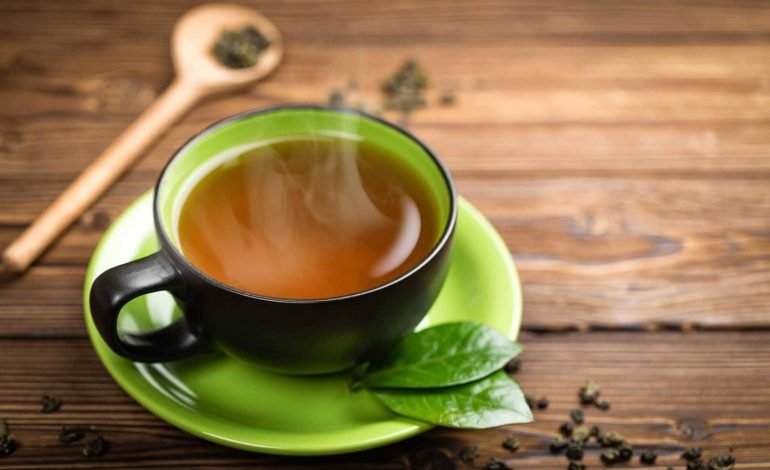
Tea is a cultural staple here in the UK. Whatever the occasion, from a celebratory afternoon tea to calming one’s nerves after a shock, tea is our go-to drink. But with so many varieties available, which teas give us the best health benefits? When we think of the Queen, we conjure up images of her surrounded by corgis, sipping on a delicate cup of the good stuff, pinky raised. When imagining everyday folk comforting each other, we hear Pauline Fowler offering a solution: “I’ll make a cuppa tea!” This simple brew is integrated into the very fabric of our society.
Although a very British beverage, tea’s history dates back to ancient China, where it was first consumed medicinally around 2737 BCE during the Tang Dynasty. In the early 17th century, Portuguese traders introduced tea to Europe, and in the 1660s, The East India Company popularised it in England. By the 18th century, this was not just a luxury for the elite—it was widespread across the country.
Tea is now one of the most widely consumed beverages globally. This iconic drink hosts a myriad of health benefits that have been celebrated for centuries. Modern scientific research is now explaining why. The antioxidant properties have boosted its popularity in the health and fitness arena for over a decade, and now it is becoming clear tea has even more to offer.
Tea drinkers will be delighted to know that their daily cuppa may be a promising approach in mitigating bone loss and reducing the risk of osteoporotic fractures as they age. This is especially important for women heading towards menopause. Oestrogen is pivotal in maintaining bone density. As levels decrease and fluctuate at this time of life, women become increasingly susceptible to bone degeneration. Polyphenols in tea enhance osteoblastogenesis (bone cell generation) and suppress osteoclastogenesis (bone cell breakdown) in vitro. These super molecules have both anti-inflammatory and antioxidant properties, resulting in amazing osteoprotective effects.
Specifically, green and black teas have been associated with improved bone mineral density and reduced risk of fractures. This is predominantly due to flavonoids, a group of compounds found mainly in tea but also in cocoa, fruits, and some vegetables. Both green and black tea come from the same plant, but their leaves are processed differently. Green tea does not undergo oxidation like black tea does, which better preserves the plant’s healthful antioxidants. For this reason, green tea is especially high in a type called catechins that are great for bone formation and retention. The benefits do not stop at bone health. As we age, every cell and system in the body undergoes oxidative stress—a kind of biological rusting. This leads to low-level inflammation. The antioxidative and anti-inflammatory properties of tea can help slow the hands of time.
Different Types of Tea and Their Benefits
Green Tea

Celebrated for its anti-inflammatory and antioxidant properties due to its high concentration of epigallocatechin gallate (EGCG), a type of catechin. These compounds support not just overall health but also promote bone health by stimulating osteoblast (bone-forming cells) activity.
Black Tea
Rich in the flavonoids theaflavins and thearubigins, black tea offers cardiovascular benefits and may enhance bone density. Its caffeine content, when consumed in moderation, is not detrimental to bone health as previously thought.
Oolong Tea

This less common tea combines the characteristics of green and black tea due to its similar chemical profile.
White Tea
The least processed of all tea varieties, white tea retains a high level of antioxidants, which are beneficial for overall health, including bone protection.
Herbal Teas
While not technically “tea,” herbal infusions can offer various other health benefits. Chamomile, for example, provides a soothing effect, relaxing the drinker into a blissful night’s sleep. This is due to the potent flavonoid, apigenin.

Matcha Tea
A type of powdered green tea, matcha is exceptionally high in antioxidants, particularly EGCG. Consuming matcha allows for the ingestion of whole tea leaves, leading to greater health benefits.
Chai Tea
This spiced tea, often made by brewing black tea with a mix of spices such as cinnamon and ginger, not only offers a warming, rich flavour but helps balance blood sugar due to the cinnamon and improves immune function due to the ginger.
There are so many teas to try, each with its own flavour profile and range of health benefits. They say variety is the spice of life, so why not give them all a try!
For more insights into London’s tea culture and health trends, visit EyeOnLondon. We’d love to hear your favourite tea blends and tips in the comments below!
Follow us on:



Subscribe to our YouTube channel for the latest videos and updates!

We value your thoughts! Share your feedback and help us make EyeOnLondon even better!