Germany’s New Chancellor Calls for European Defence Autonomy


Germany’s incoming chancellor, Friedrich Merz, has wasted no time in setting out his priorities, and they mark a significant shift in European politics. In a post-election address, Merz questioned the future of NATO, warned of Europe’s reliance on the U.S. for security, and called for a stronger independent European defence strategy. His remarks signal a major departure from Germany’s traditionally close transatlantic ties and raise questions about Europe’s security in an era of global uncertainty.
Merz, leader of the centre-right Christian Democratic Union (CDU), made clear that recent comments from Donald Trump—suggesting the U.S. could reduce its security commitments to Europe—have changed the strategic landscape. “I would never have thought that I would have to say something like this in a TV show, but after Donald Trump’s remarks last week… it is clear that this government does not care much about the fate of Europe,” he said.
The significance of these remarks is hard to overstate. Germany has long been a key player in NATO, but Friedrich Merz’s comments indicate that the future of Europe’s security might be on the cusp of a major shift. As relations with the U.S. become more unpredictable, Merz has called for stronger European defence capabilities, with a focus on autonomy. This growing sentiment is echoed by experts and political analysts across Europe, including reports from Reuters, who are closely monitoring the implications of Merz’s statements.
The timing is critical. The UK prime minister is set to visit Washington, and French President Emmanuel Macron has already begun discussions with U.S. officials. Merz acknowledged that Germany should be involved in these conversations, given its role as one of Europe’s three largest economies. He also hinted that Germany may need to rethink its approach to nuclear security, suggesting closer collaboration with the UK and France, which both have nuclear capabilities.
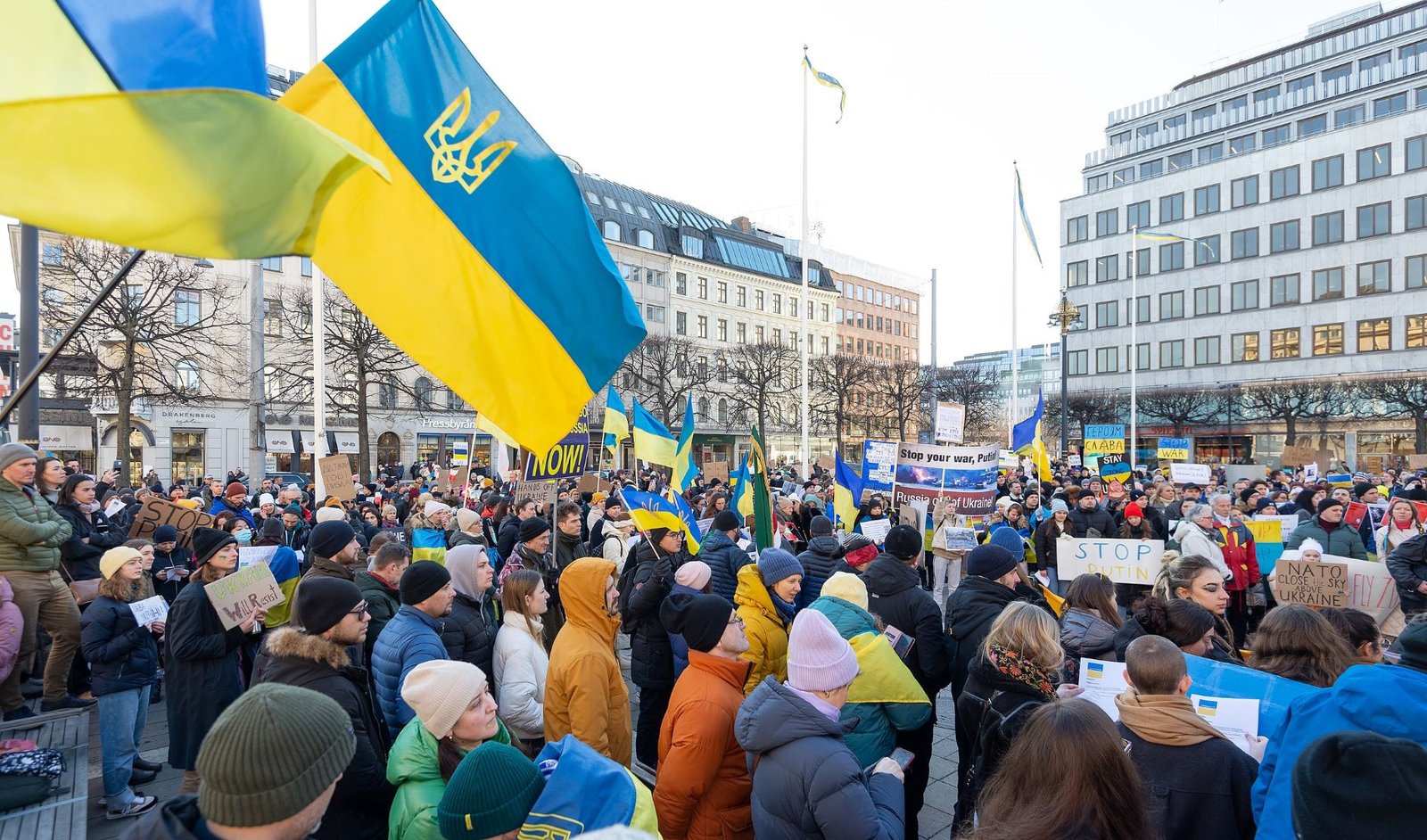
Domestically, Merz faces a challenging political landscape. His election comes amid rising support for the far-right Alternative for Germany (AfD), which ran on a Germany First platform advocating disengagement from Ukraine and closer ties with Russia. At the same time, German voters have been increasingly anxious about security, with many worried about the long-term consequences of supplying Ukraine with military aid. Last year, Germany’s interior ministry even began reassessing Cold War-era bunkers, a move that reflects growing public concern over European stability.
A significant factor in Germany’s security worries is the presence of 35,000 U.S. troops stationed in the country. Many Germans fear that a Trump-led White House could withdraw these forces, further weakening Europe’s deterrence against Russia. “We are under such massive pressure from two sides that my absolute priority now really is to create unity in Europe,” Merz stated.
His rhetoric suggests that Europe may soon need to make some difficult decisions. Will EU nations commit more funding to defence? Can they build an effective European security alliance that works alongside, or potentially beyond, NATO? And crucially, will the UK, which has traditionally aligned itself with the U.S. on defence, support such an initiative?
For now, Merz’s vision for a more independent European security strategy is ambitious, but implementing it will require careful diplomacy and substantial financial investment. Given Germany’s economic struggles, balancing these goals with domestic priorities could prove challenging.
One thing is clear: Europe’s security landscape is changing, and Germany’s new leadership will play a central role in shaping what comes next.
For more updates on European politics and security, visit EyeOnLondon. We’d love to hear your thoughts in the comments below.
Follow us on:



Subscribe to our YouTube channel for the latest videos and updates!

We value your thoughts! Share your feedback and help us make EyeOnLondon even better!