Food security severely at risk by rising temperatures

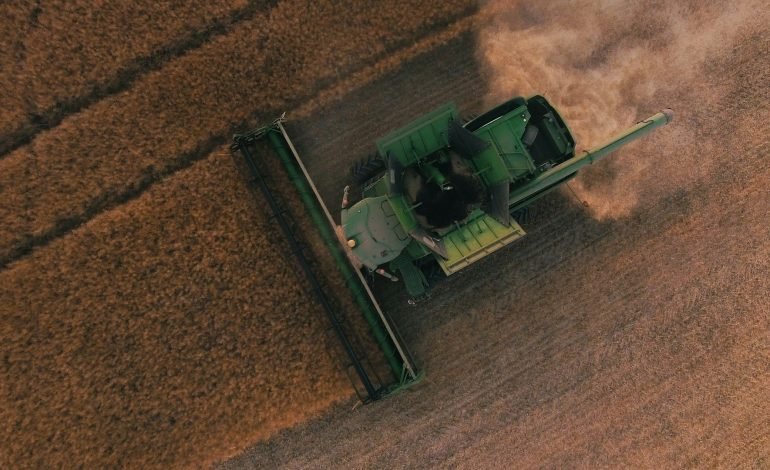
A significant decline in crop diversity due to rising temperatures could severely impact global food security, a new study in Nature Food has revealed. If global temperatures exceed 1.5°C above pre-industrial levels, many regions could experience substantial reductions in their ability to cultivate key food crops, posing a major risk to food production worldwide.
Research from Aalto University examined how climate change affects the growing conditions of 30 major food crops. It found that low-latitude regions, including much of Africa, South Asia, and parts of South America, would suffer the most. Depending on the level of warming, up to half of crop production in these areas could become unviable, threatening food supplies and reducing crop diversity. Lead researcher Sara Heikonen warned that fewer crop options would make it harder to secure adequate calories and protein.
Staple crops such as rice, maize, wheat, potatoes, and soybeans, which provide over two-thirds of the world’s food energy, are particularly at risk. The study highlights that tropical root crops like yams, crucial for food security in lower-income regions, along with cereals and pulses, could also face major threats. In sub-Saharan Africa, nearly three-quarters of current food production could be jeopardised if temperatures rise beyond 3°C.
By contrast, mid- and high-latitude regions are expected to maintain agricultural productivity, with some areas even seeing increased crop diversity. Temperate fruits like pears may become more viable in northern locations. However, senior author Professor Matti Kummu cautioned that favourable climate conditions alone do not guarantee agricultural success, as factors like new pests and extreme weather events could still disrupt production.
The study stresses the urgent need for adaptation, particularly in vulnerable low-latitude regions. Improving access to fertilisers, irrigation, and food storage could help, but further strategies, including crop selection and climate-resilient breeding, will also be necessary. Kummu noted that implementing these changes remains a major challenge. Farmers and policymakers in mid- and high-latitude regions must prepare for shifts in agricultural patterns. Heikonen emphasised that global cooperation is essential, as the effects of climate change on food security will be felt worldwide.
Stay tuned to EyeOnLondon for the latest news and expert opinions.
Follow us on:



Subscribe to our YouTube channel for the latest videos and updates!

We value your thoughts! Share your feedback and help us make EyeOnLondon even better!