Cows and Climate: Denmark’s ‘Flatulence Tax’ Breaks Wind on Emissions

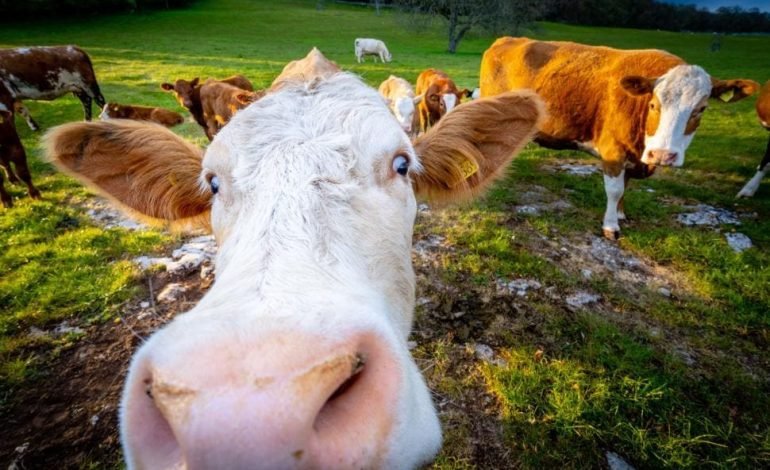
In a groundbreaking move, Denmark has finalised plans to implement the world’s first tax on agricultural emissions, targeting methane emissions from livestock such as cows and pigs. Known as the flatulence tax, the initiative was announced under the Green Tripartite agreement, which reflects a collaboration between the Danish government, farmers, trade unions, and environmental groups.
From 2030, Danish farmers will be required to pay a levy of 300 kroner (£34) per tonne of methane emissions (calculated as a carbon dioxide equivalent), increasing to 750 kroner by 2035. The tax is part of Denmark’s ambitious efforts to achieve its climate targets, with Jeppe Bruus, a key figure in the Green Tripartite agreement, highlighting the transformative vision behind the initiative: “We aim to restore vast areas of land to forestry and natural spaces while revitalising our fjords.”
???? Australia-UK New Climate Energy Deal
Discover how the UK and Australia are teaming up for a groundbreaking climate energy partnership.
Read more
❄️ Disease Risk for Polar Bears Increased by Climate Change
Learn how climate change is impacting polar bear populations and raising health risks.
Explore the story
???? AI for Climate Change Solutions
Discover how artificial intelligence is paving the way for innovative climate solutions.
Dive into the details
The agreement also introduces measures to reduce nitrogen pollution by 13,780 tonnes annually from 2027, aiming to restore Denmark’s coasts and fjords and improve biodiversity. Key aspects of the plan include planting 250,000 hectares of new forest and converting 140,000 hectares of cultivated peatlands back into their natural state. Peatlands, known as significant carbon sinks, will play a crucial role in this environmental restoration effort.
Denmark’s high proportion of cultivated land—around 60% of its total area—makes this transition particularly impactful. As Jeppe Bruus remarked, the changes will reshape Danish landscapes in ways not seen since wetlands were drained in 1864.
Lars Aagaard, Denmark’s Minister for Climate, Energy, and Utilities, praised the cooperative nature of the agreement, calling it an example of the “Danish model” of governance. He noted that involving all stakeholders, including the affected sectors and environmental advocates, demonstrated the country’s commitment to addressing climate challenges collaboratively.
According to Climate Action Network Europe, addressing agricultural methane emissions is a crucial step in combating global climate change. This bold step to adopt a flatulence tax reflects Denmark’s leadership in climate action, offering a potential blueprint for other nations. As Aagaard explained, “The world could benefit greatly if similar cooperative approaches were adopted in the global climate fight.”
Stay ahead with EyeOnLondon – your trusted source for the latest news, features, and insights. Check back regularly for fresh updates and stories that matter to Londoners!