Cretaceous birds show raptor-like traits

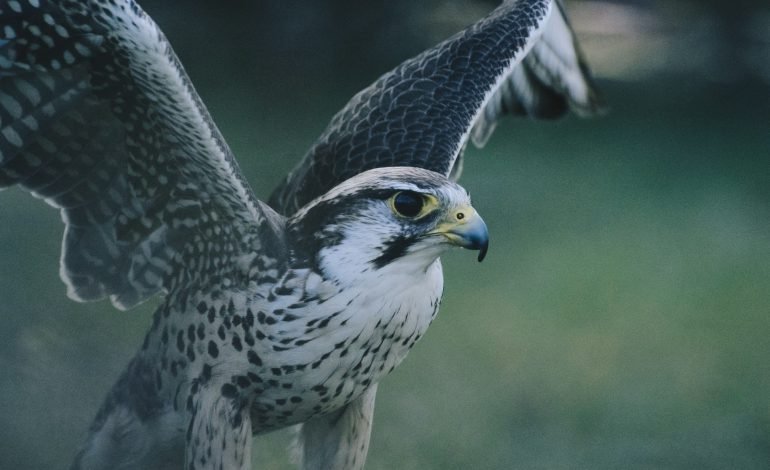
A recent study has unveiled fascinating insights into Late Cretaceous birds from North America, revealing that these newly discovered species may have exhibited traits similar to modern raptors or birds of prey. Conducted by Alexander Clark and his team from the University of Chicago, the research was published in the open-access journal PLOS ONE.
The Cretaceous Period, which lasted from about 145 to 66 million years ago, was marked by a diverse group of birds known as enantiornithines. While these birds thrived globally during the Early Cretaceous, the fossil record from the Late Cretaceous is significantly less comprehensive, leaving researchers with gaps in understanding avian evolution during this critical period.
Clark and colleagues focused on fossils found in the Hell Creek Formation in Montana, dating to the latest Cretaceous, just before the mass extinction event that eradicated non-avian dinosaurs and enantiornithines. The team identified three new enantiornithine species from leg bones, two of which were named Magnusavis ekalakaensis and Avisaurus darwini, while the third remains unnamed but belongs to the Avisaurus genus.
Notably, these birds were larger than their Early Cretaceous relatives, with Avisaurus darwini estimated to weigh over one kilogram, comparable to a large hawk. Detailed analysis of the leg bones suggested adaptations akin to those of modern raptors, indicating powerful leg muscles and feet capable of gripping substantial prey.
The findings not only enhance our understanding of Late Cretaceous avian diversity but also reveal a trend toward increased body size and ecological roles among enantiornithines. The study underscores the significance of even fragmentary fossils in illuminating evolutionary trends, with the authors noting that certain anatomical features suggest behaviors similar to those of contemporary raptorial birds.
This groundbreaking research enhances our understanding of avian evolution during the Mesozoic Era and highlights the complex ecological roles these ancient birds may have played.
Stay tuned to EyeOnLondon for the latest news and expert opinions.