China vows to fight Trump’s new tariffs as EU eyes alternative trade ties

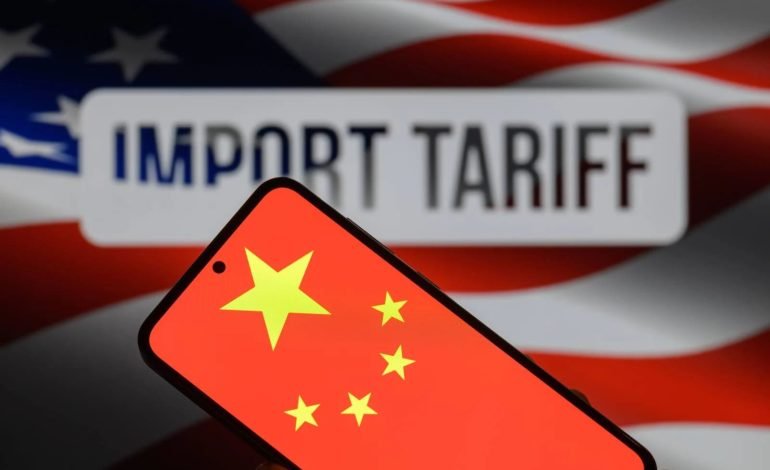
The China response to Trump tariffs has sharpened global tensions once again, after the former US president threatened to impose an additional 50% tax on Chinese imports. In reply, Beijing issued a firm statement saying it would “fight to the end,” while European leaders suggested they may now explore more stable trade partnerships elsewhere.
Trump’s threat, posted on his Truth Social platform, follows a recent round of tariffs aimed at punishing China for what he called “long-term trading abuses.” If implemented, the new measures would push the total tariffs on Chinese goods to over 100% – a level that analysts warn could rattle financial markets and push global supply chains into further disarray.
China’s Commerce Ministry hit back with unusually blunt language, describing the proposed duties as “unilateral bullying” and “completely groundless.” In its official statement, the ministry said:
“If the US insists on its own way, China will fight to the end.”
It also confirmed that Beijing is preparing fresh countermeasures to defend its development interests.
The reaction has not been limited to Beijing. In Brussels, European Commission President Ursula von der Leyen suggested the EU was already looking beyond Washington. “There are vast opportunities elsewhere,” she said, adding that Europe’s priority is to ensure a rules-based trading system. Her remarks reflect growing frustration with US unpredictability and a desire to deepen ties with other partners.
The trading relationship between the US and China remains substantial. In 2024, total trade in goods between the two countries reached around $582 billion, with a trade deficit estimated at over $260 billion. These figures underline just how much is at stake, for both sides, as tit-for-tat tariffs threaten to raise consumer prices and squeeze global markets.
Hong Kong has also weighed in. Its Chief Executive John Lee called the new tariff threats “ruthless behaviour” and accused Washington of undermining global trade stability. He said the city would accelerate its economic integration with mainland China and work on new free trade agreements to attract investment and support local businesses.
Back in the UK, there’s cautious interest in how this might shape future trade patterns. While Britain no longer faces direct spillover from EU policy, any major shake-up in global trade inevitably affects British exports and consumer prices. The pressure on countries like the UK to strike new agreements, especially as it forges its post-Brexit path, continues to mount.
For more context on how Britain is reacting to international trade shifts, you can revisit our earlier feature on Trump trade tariffs and the UK response, which explores concerns from the UK car industry and business leaders.
As uncertainty swells, the prospect of a calmer, cooperative trade agenda seems as elusive as ever. However, for now, all eyes will be on whether Trump follows through and how China, the EU, and other global players respond in kind. For further details on current international trade statistics, visit the Office for National Statistics.
For more updates on China response to Trump tariffs and how international trade tensions could affect the UK, visit EyeOnLondon. We’d love to hear your thoughts in the comments.
Follow us on:



Subscribe to our YouTube channel for the latest videos and updates!

We value your thoughts! Share your feedback and help us make EyeOnLondon even better!