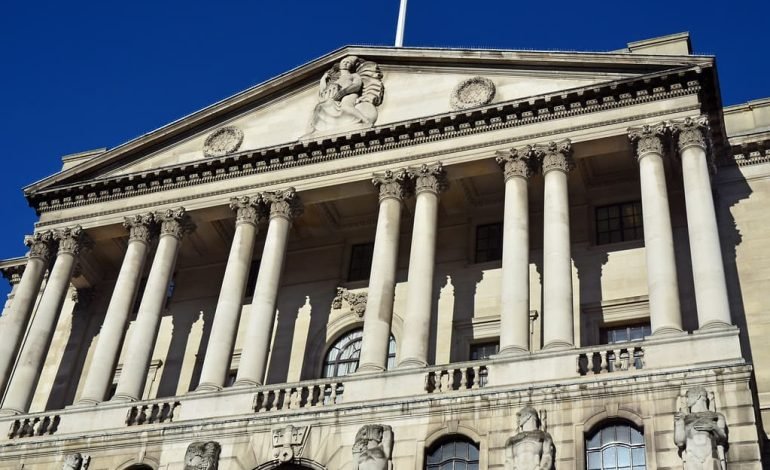
The Bank of England is expected to keep interest rates at 5% this Thursday, following the recent announcement that UK inflation remained at 2.2% last month. This decision is closely watched by economists and investors, as the rate of inflation, which reflects how quickly consumer prices are rising, remains slightly above the Bank’s 2% target. The central bank’s governor, Andrew Bailey, has warned that it is unlikely there will be a sharp drop in rates in the near future.
The anticipation of no change in rates comes despite previous reductions, including a quarter-point cut last month—the first decrease since March 2020. Many expect that the Bank will hold off on any further cuts until November, given the current economic landscape. Analysts like Rob Wood, the chief UK economist at Pantheon Macroeconomics, believe that the latest inflation data does not provide the Bank with sufficient justification to lower interest rates again so soon.
Susannah Streeter, head of money and markets at Hargreaves Lansdown, echoed this sentiment, suggesting that the Bank is likely to maintain the status quo for now and wait until the end of the year before considering another rate cut. The Bank of England’s nine-member Monetary Policy Committee (MPC) has been cautious in its approach, with a narrow margin of five members voting in favour of the previous cut.
Interest rates are crucial as they influence borrowing costs for loans, mortgages, and credit cards, as well as the returns on savings. While a lower interest rate environment might seem appealing for borrowers, it can also signal concerns about economic growth and lead to reduced investment and job creation. Bailey has repeatedly emphasised the need for the Bank to ensure inflation remains low, avoiding the potential pitfalls of cutting rates too aggressively.
The economic situation remains precarious, with inflation peaking at 11.1% in October 2022, the highest rate in 40 years, largely due to increased demand for goods post-lockdown and the surge in energy and food prices following Russia’s invasion of Ukraine. Since then, the Bank of England has steadily raised rates to cool down price growth, but the effectiveness of these measures has been a topic of debate among experts.
Economist Allan Monks from JP Morgan has predicted that while the Bank is likely to keep rates unchanged this month, it may adopt a more cautious approach in the coming months, potentially introducing another cut in November. This careful balancing act between controlling inflation and supporting economic growth is at the heart of the Bank’s current policy considerations.
For those in the UK with mortgages and other loans, this decision has significant implications. Although the rate cuts might ease the pressure on borrowers, homeowners with fixed-rate mortgages set to expire in the coming years are still facing the prospect of significantly higher repayments.
For more information on how interest rates affect inflation and the UK economy, visit the Bank of England’s Monetary Policy page. Follow EyeOnLondon for more updates.