Air quality in borough sees 50% improvement, council sets ambitious new targets

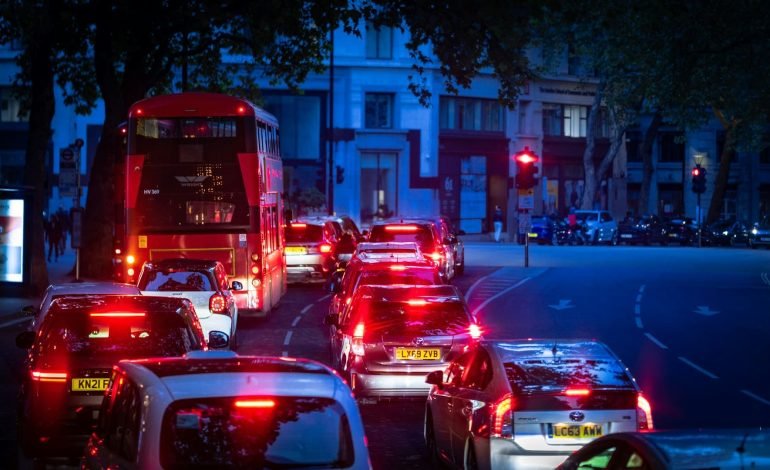
Air quality in Richmond upon Thames has seen a remarkable enhancement since 2019, marked by a 50% reduction in nitrogen dioxide (NO2), one of the primary pollutants affecting urban environments. Councillor Alexander Ehmann, Chair of the Council’s Transport and Air Quality Committee, attributes this success to the collective efforts of residents and innovative Council initiatives aimed at reducing emissions.
Councillor Ehmann emphasizes, “We simply won’t compromise on the health of our residents. Poor air quality is the largest environmental risk to public health in the UK, which is why I propose that Richmond sets the most ambitious air quality targets in the country.”
The borough’s new objectives are grounded in ten years of research and medical guidance from the World Health Organisation, aiming for air pollution levels significantly below current UK standards. This ambitious plan aligns with emerging EU policies focused on similar reductions.
To build on the progress achieved, Richmond Council has unveiled a comprehensive Action Plan for 2024-2029. This draft outlines a series of initiatives designed to further reduce pollution, encouraging community engagement and feedback from residents. “These are bold targets, and we need bold ideas to reach them,” Councillor Ehmann notes. The plan includes expanded active travel options, increased electric vehicle (EV) charging points, enhanced cycling infrastructure, and new “school streets” designed to limit traffic near educational institutions.
Since 2018, Richmond has made significant strides in reducing NO2 levels, meeting UK Government targets in nearly all monitored areas. Key initiatives include the implementation of 17 school streets, the Good Move Scheme to support residents in transitioning from cars, and extensive EV infrastructure, with 945 charging points installed.
In a bid to further enhance air quality monitoring, the borough has also joined an internet of things pilot, deploying innovative sensors to better understand traffic’s impact on pollution. Additional proposed measures include penalties for engine idling and collaborations with local healthcare partners to educate residents about air quality and health impacts.
Councillor Piers Allen, Chair of Richmond’s Health and Wellbeing Board, highlighted the plan’s focus on vulnerable populations, stating, “We need to help people understand how they can reduce their exposure and protect themselves.”
Residents are invited to provide feedback on the draft Air Quality Action Plan through an online consultation, open until January 20, 2025. The Council aims to continue its proactive approach, reinforcing Richmond’s commitment to creating a healthier, more sustainable environment.
For more updates on Richmond upon Thames, visit EyeOnLondon Richmond upon Thames.