Met expands drone and facial recognition use to tackle phone snatch gangs

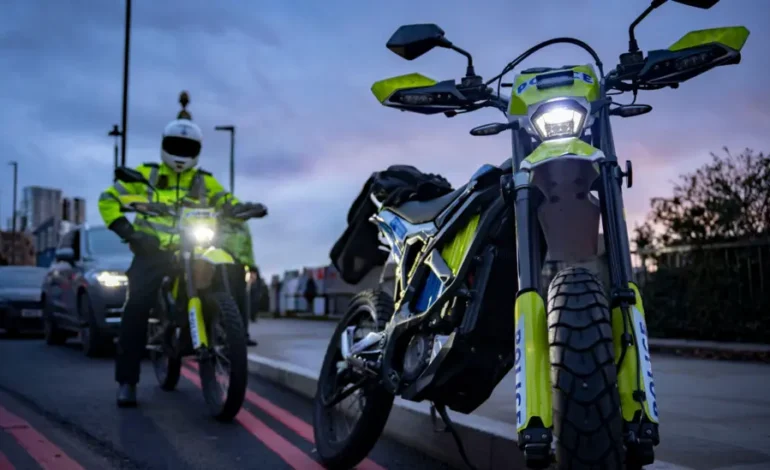
The Metropolitan Police said on Tuesday morning it was widening the use of drones, e-bikes and live facial recognition to tackle mobile phone thefts in London, after years in which recovery rates have remained persistently low.
The decision follows sustained concern over snatch thefts that have become a routine risk around transport hubs and busy high streets.
More London news from EyeOnLondon
Reporting on planning, policing and civic life across the capital.
UK unemployment rises: what the latest figures show
The new numbers point to changing conditions in the jobs market, with implications for households and employers.
Read the storyCity of London peer review puts services under the lens
A closer look at how scrutiny works in the Square Mile and what the latest review means in practice.
Read the storyCommunity spaces plan aims to widen support and opportunity
A proposed network would bring services together locally, with a focus on access, stability and everyday help.
Read the storyThe scale of mobile phone thefts in London
Between 2017 and 27 February this year, victims reported 587,498 phones stolen across London, excluding the City.
Officers say mobile phone thefts in London are increasingly linked to organised resale networks.
Although recorded thefts fell to 71,391 last year from 81,365 the previous year, the volume remains high. A phone is still reported stolen roughly every seven to eight minutes in the capital.
Senior officers say that organised groups approach children as young as 14 on social media.
Drones and e-bikes on patrol
Assistant Commissioner Matt Twist said drones were being deployed more widely following a pilot last October to assess whether they could support emergency responses.
Drones relay live footage to a control room, allowing officers to track suspects, particularly those using e-bikes to move quickly through traffic. The intention is to intercept offenders before they disperse or discard stolen property.
The force argues that aerial support reduces the need for high-speed pursuits and improves the likelihood of recovery.
Surveillance under scrutiny
Officers also use live facial recognition in targeted operations in areas identified as theft hotspots.
Civil liberties groups have previously raised concerns about the expansion of facial recognition technology in public spaces. The Metropolitan Police maintains that deployments are intelligence-led and subject to oversight. National guidance on surveillance technology is set out by the Home Office.
The broader objective, officers say, is to disrupt organised networks that profit from stolen devices, many of which are rapidly resold or exported.
While the latest figures of mobile phone thefts in London show a decline, senior officers accept the overall number of thefts remains too high.
Policing in London is changing as technology becomes more visible on the streets. For continued reporting on crime, public policy and city life, follow EyeOnLondon.
[Image Credit | PA Media]
Follow us on:



Subscribe to our YouTube channel for the latest videos and updates!

We value your thoughts! Share your feedback and help us make EyeOnLondon even better!