Iran protest deaths: investigation identifies 200

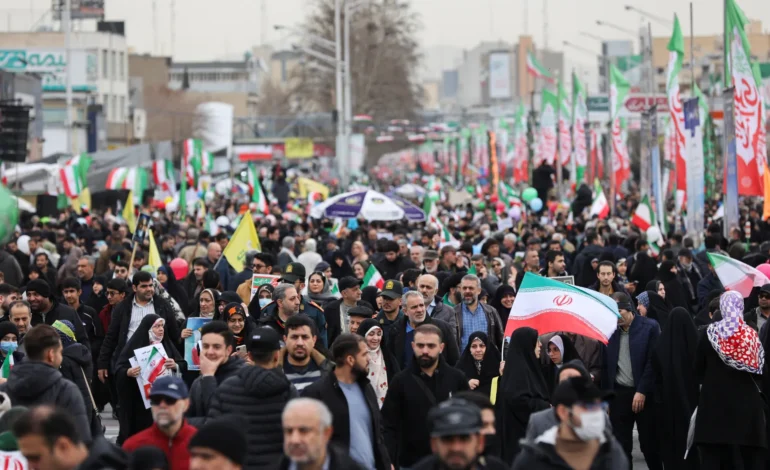
In early January, as protests intensified across Iran, investigators began compiling confirmed identities of those killed in the crackdown. More than 200 names have now been formally verified, providing one of the clearest documented records so far of Iran protest deaths.
Those confirmed cases form part of a far larger and sharply contested toll. Independent monitoring groups operating outside Iran estimate that several thousand people have been killed since demonstrations escalated late last year, including children and young adults. Iranian authorities have issued lower official figures and maintain that some of those killed were members of the security forces.
International Reporting
Global developments in policy, diplomacy and security.
Portugal approves bill to limit children’s access to social media
Lawmakers back legislation restricting children’s access to social platforms, marking a significant shift in Europe’s online safety debate.
Read the full reportPopulation cap proposal in Switzerland set for referendum
Swiss voters will decide whether to introduce a population cap, a move that could reshape migration policy and long-term planning.
Read the full reportCanada and Germany move to strengthen defence cooperation
Ottawa and Berlin signal deeper transatlantic coordination amid shifting global security priorities.
Read the full reportIn Westminster, the widening documentation has sharpened discussion about whether existing measures are proportionate. Questions over sanctions policy and diplomatic engagement continue to surface as verified evidence accumulates.
Verified Iran protest deaths and the wider toll
The identification of more than 200 individuals does not represent the full casualty count. Instead, it reflects cases where names, dates and circumstances could be corroborated through layered verification.
Investigators examined social media posts, protest footage and memorial images. These were cross-checked against burial records, hospital data and eyewitness accounts. Funeral videos provided time markers. Images from morgue facilities helped confirm dates and locations when aligned with protest timelines.
The process was complicated when communications were heavily restricted in early January. Internet and mobile networks were disrupted for weeks, limiting the flow of verifiable information. Work resumed through satellite links and indirect testimony gathered from inside the country.
Many of those identified were in their late teens or twenties. Among them were a married couple shot during demonstrations in Bushehr, a 17-year-old student killed outside her home in Karaj and a biotechnology graduate fatally wounded during protests in Tonekabon.
Across provinces, accounts describe a similar pattern: crowds dispersed by live fire, delayed medical access and, in some cases, pressure surrounding burial arrangements.
Why documentation matters internationally
Publishing verified names shifts debate away from headline estimates towards documented cases supported by evidence. While the overall toll remains disputed, confirmed Iran protest deaths strengthen the factual basis for international scrutiny.
Details of the UK’s current sanctions regime relating to Iran are set out on the UK Government consolidated sanctions list, which outlines measures imposed in response to human rights concerns.
The growing body of verified fatalities has also informed parliamentary debate about foreign policy oversight. Recent discussions in Westminster have examined how documentation of Iran protest deaths should influence diplomatic posture and accountability mechanisms.
The investigation continues as additional cases are reviewed. In a country where independent reporting has been constrained and communications periodically disrupted, establishing a reliable record remains technically demanding and politically sensitive.
For continued independent coverage of global developments that influence policy and communities in the capital, follow EyeOnLondon and explore more international reporting.
[Image Credit | Al Jazeera]
Follow us on:



Subscribe to our YouTube channel for the latest videos and updates!

We value your thoughts! Share your feedback and help us make EyeOnLondon even better!