Ghislaine Maxwell refuses to testify before Congress as lawmakers voice frustration

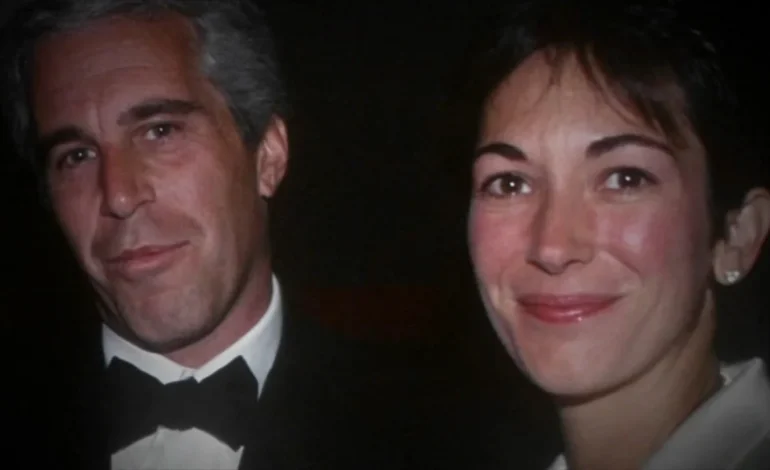
Ghislaine Maxwell refuses to testify before Congress this week after invoking her Fifth Amendment right against self-incrimination, frustrating US lawmakers who had hoped to question her about her role in the crimes of the late financier Jeffrey Epstein and the wider network surrounding him.
Maxwell, who is serving a 20-year prison sentence for helping Epstein sexually abuse teenage girls, appeared under subpoena before the House Oversight Committee but declined to answer questions on any substantive matters.
International News — More from EyeOnLondon
Three global stories offering context beyond the UK headlines.
Zambia fisherman killed while fleeing elephants
A fatal encounter highlights the growing human-wildlife conflict in parts of southern Africa.
Read the storyMore International News
US plans warehouse for immigrant detention
A proposed facility by the Department of Homeland Security has sparked political and legal concern.
Read the storyMore International News
Winter Olympics competition schedule confirmed
Key dates and events revealed as preparations continue for the next Winter Games.
Read the storyMore International News
“As expected, Ghislaine Maxwell took the Fifth and refused to answer any questions,” said Representative James Comer, the Republican chair of the committee. “This is obviously very disappointing.”
He added that lawmakers had intended to question Maxwell not only about her own actions but also about potential co-conspirators. “We had many questions to ask about the crimes she and Epstein committed, as well as questions about who else may have been involved.”
Maxwell’s legal team had previously indicated that she would only provide testimony if granted clemency by Donald Trump, a condition lawmakers declined to meet. A separate request for legal immunity was also rejected.
The Fifth Amendment, which protects individuals from being compelled to incriminate themselves, is routinely invoked in congressional investigations. Yet the silence in this case has drawn particular scrutiny given the public interest surrounding Epstein’s crimes and the lingering questions about accountability.
Alan Fisher, a correspondent covering the proceedings, noted that Maxwell offered only a brief statement before declining further comment. She said she had never seen evidence that Trump or Bill Clinton had been involved in illegal activity.
Some lawmakers interpreted that remark as calculated. Fisher suggested it appeared to be “a deliberate ploy” aimed at strengthening Maxwell’s request for clemency by signalling cooperation without offering substantive testimony.
Further controversy followed the release of a letter from Representative Ro Khanna, who pointed to what he described as an inconsistency in Maxwell’s conduct. Khanna noted that she had previously spoken with Deputy Attorney General Todd Blanche about related matters without invoking the Fifth Amendment.
“This position appears inconsistent with Ms Maxwell’s prior conduct,” Khanna wrote, adding that her refusal to testify before Congress raised fresh questions.
Maxwell was transferred last year to a minimum-security prison in Texas after meeting twice with Blanche. The move was described by officials as a response to threats against her life, though details have not been made public.
Other lawmakers, including Senator Sheldon Whitehouse, have described the transfer as “highly unusual” and questioned whether Maxwell may have received preferential treatment as political scrutiny intensifies around Epstein’s former associates. Trump has denied any wrongdoing and has dismissed the wider scandal as a hoax.
Maxwell remains the only person convicted in connection with Epstein’s crimes, despite extensive documentation of his links to powerful figures across politics, business, and society. Her refusal to testify has renewed criticism that many questions remain unanswered, and may never be fully addressed.
One authoritative reference point for the constitutional protections invoked in such cases is the role of the Fifth Amendment as interpreted by the United States Congress, whose oversight powers are balanced against individual rights under US law, as outlined in guidance from the House Judiciary Committee.
For more independent coverage of crime, justice, and accountability in public life, follow EyeOnLondon. We’d welcome your views in the comments.
[Image Credit | ABC7]
Follow us on:



Subscribe to our YouTube channel for the latest videos and updates!

We value your thoughts! Share your feedback and help us make EyeOnLondon even better!