City Lights, Longer Nights: EyeOnLondon Edition 28

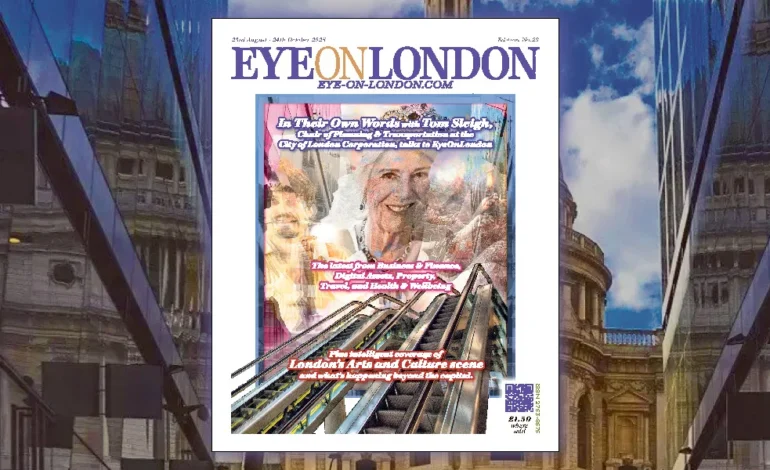
Dear EyeOnLondoners, here is the latest edition. EyeOnLondon Edition 28 arrives just as the clocks have gone back and most of the leaves have already dropped from London’s trees, and London has settled into late autumn.
In this latest edition we have pulled together news, features, and culture pieces to match the season, thoughtful, useful, and very London. Put the kettle on and dip into what is happening across the capital, from big arts stories and City updates to travel ideas and health and wellbeing. This edition is built to keep you company on darker evenings.
In Their Own Words
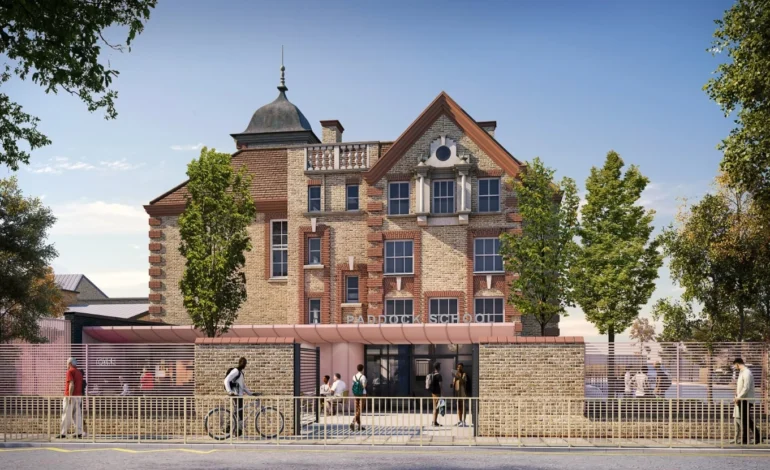
This season’s big interview is with Tom Sleigh, the City of London Planning and Transport Committee Chair. He reflects on balancing the City’s historic character with modern development, why smart planning and a bit of bold imagination will keep London liveable, and how we can build upward and outward without losing our soul. His candid insights into skyscrapers, sidewalks, and everything in between make for an enlightening read by a true City insider.
Business & Finance
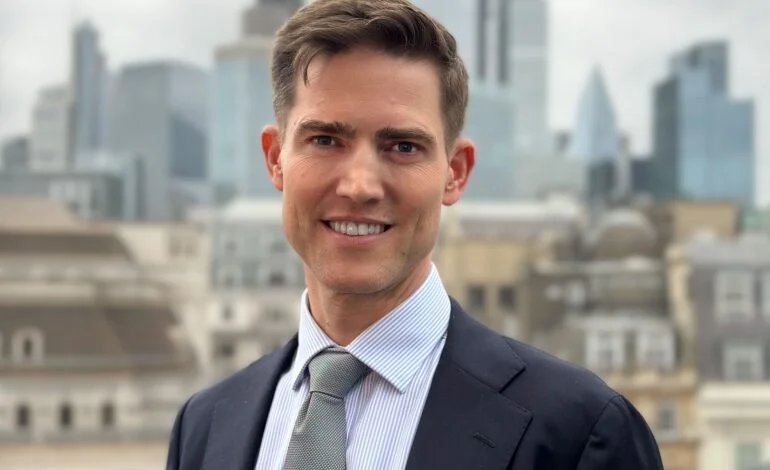
Our finance columnist Doug Shanks breaks down HMRC’s upcoming labour supply chain rules and what they mean for London businesses. In The Bottom Line, he demystifies the new regulations aimed at preventing tax evasion in companies’ contractor networks. It’s a must-read analysis for business owners and contractors alike, clear, intelligent, and straight from an expert who translates policy into plain English.
Education
In Education, Fahad Redha has written a really useful, no-nonsense piece for anyone about to start uni in London. He says straight away: London is brilliant, but it’s expensive, fast, and can swallow your money if you don’t plan. His first rule is simple: don’t get a car. Use TfL’s 18+ Student Oyster for cheaper Travelcards, add a 16–25 or 26–30 Railcard to cut fares further, and let the Tube do the work. On housing, he suggests looking beyond halls to places on SpareRoom, Rightmove, or OpenRent, but always view first and never transfer money blindly.
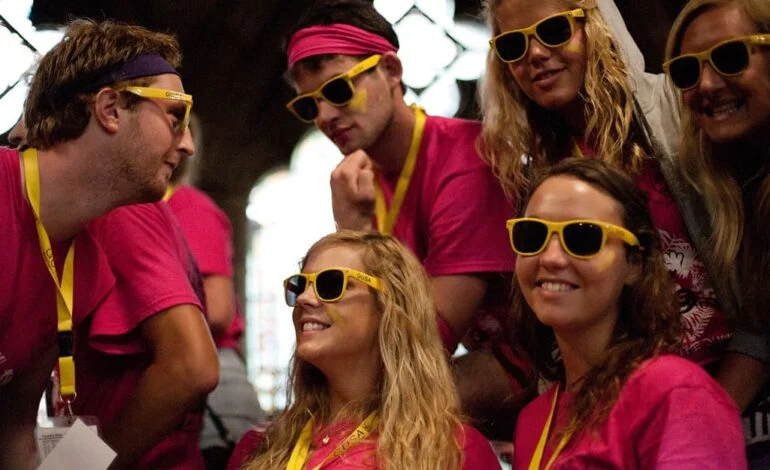
To save cash, cook at home, use student discount apps like UNiDAYS and TOTUM, and remember London is full of free stuff: the British Museum, Tate Modern, V&A, Greenwich, Richmond Park, Southbank, Portobello, and Columbia Road. For money management he points to Monzo or Revolut and, if needed, a part-time job (London’s minimum wage is higher).
Best of all, he reminds new students not to hide in their rooms. Join societies, go to free events, and use the university’s wellbeing services if things get a bit much. Everyone feels lost at first, then suddenly you’re giving Tube advice to someone else.
Arts & Culture Highlights
London’s cultural scene is buzzing this autumn, and our writers have been out and about.
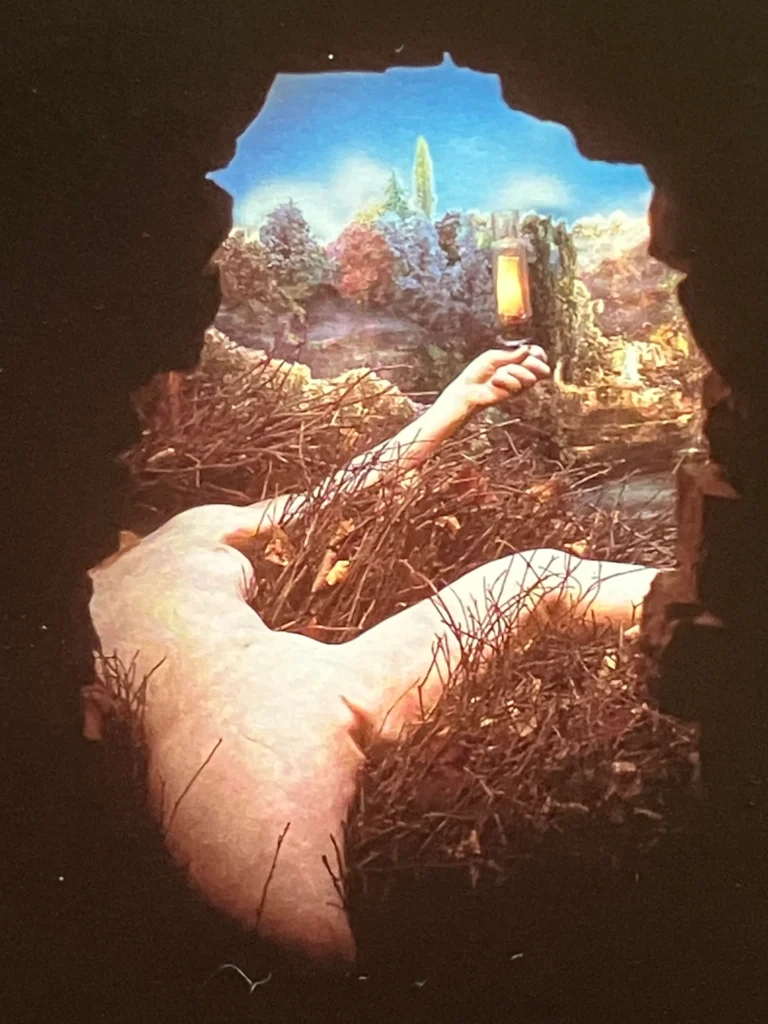
We open the arts and culture supplement with Barry Martin’s prelude to The Museum of Modern Arts (MoMa), much-anticipated Marcel Duchamp retrospective, opening in New York in 2026. Rather than surveying Duchamp’s full career, Barry focuses on two key works that frame it, The Large Glass and Étant donnés, and explores how the artist transformed the act of looking into a form of thinking.
At Tate Britain, a smaller exhibition featuring Richard Hamilton’s 1960s reconstruction of The Large Glass offers a London counterpart, setting the stage for MoMA’s definitive show. Barry traces how Duchamp reimagined the tradition of stained glass and moral storytelling, using light, transparency, and symbolism to question how we see, what we value, and how meaning shifts with each viewer.
With Étant donnés, completed decades later, Duchamp reverses the experience, forcing us to peer through a single keyhole for a private encounter that no one else can share. It’s a meditation on perspective, judgement, and imagination that feels just as modern now as it did half a century ago.
For anyone planning a cultural trip next year, Barry’s piece makes a strong case. MoMA’s Duchamp exhibition promises to be a landmark moment and a rare chance to see the works that changed how the world understands art, glass, and the act of seeing itself.
Music
Music critic Simon Mundy returns with an Autumn Listening special, reviewing the season’s best new classical releases. Simon’s discerning ear guides you through a delightful range, from freshly unearthed Haydn symphonies and Poulenc’s piano pieces (performed by the composer himself in archival recordings) to contemporary choral works that stir the soul. If you’re looking for the perfect soundtrack to a crisp autumn evening, our classical roundup by Mundy has you covered.
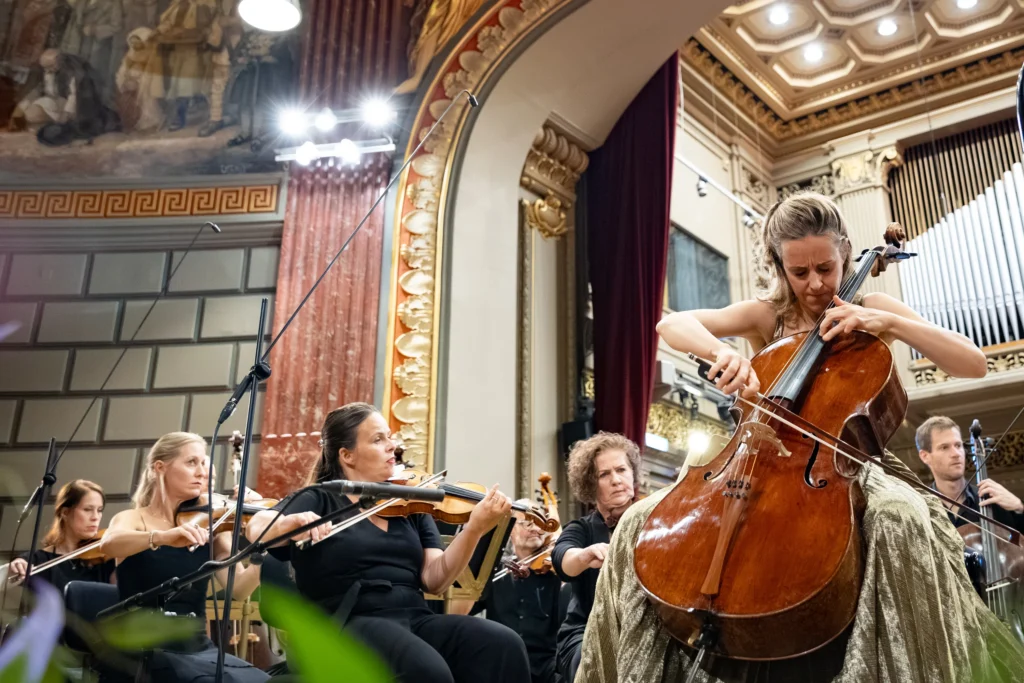
As well as putting together his autumn listening recommendations, Mundy also spent time in Bucharest for the 2025 Enescu Festival, which he describes as Romania’s answer to the Proms, only denser. He notes how the city’s cultural infrastructure has leapt forward, and how the festival now attracts top European orchestras, major soloists like Sol Gabetta, and this year built a powerful thread around the 50th anniversary of Shostakovich’s death. His report balances the big set-piece performance, the Frankfurt Radio Symphony’s searing Shostakovich Eighth, with smaller, thoughtful concerts in the Radio Hall and the Athenaeum, showing why the Enescu is now a festival worth travelling for.
Art
Simon Tait visits the Bank of England’s new exhibition Building the Bank, which marks 100 years since the start of its most dramatic rebuild. To make way for Herbert Baker’s vast stone fortress, the beloved work of architect John Soane was torn down, a move that still stirs debate a century later.
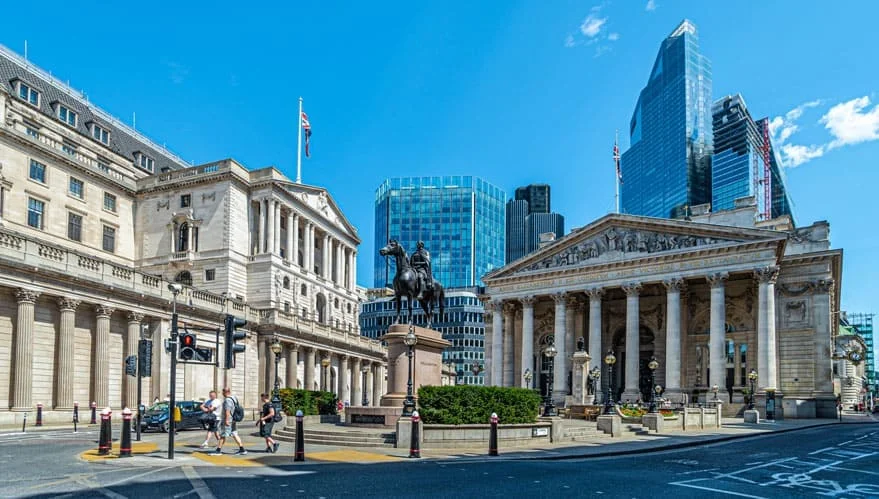
The show explores Baker’s difficult task, keeping the bank open while rebuilding around 4,000 staff, navigating impossible design demands, and still finding room for beauty and craft. From Roman ruins under the foundations to mosaics by Boris Anrep and a brush with gunfire involving Wind in the Willows author Kenneth Grahame, it’s a surprisingly rich story.
Baker may have been a man of empire, but Tait shows he also had a deep respect for the past, and the Old Lady of Threadneedle Street is still standing in his vision today.
Liz’s Royal Order
Staying with Simon Tait, we move from London’s grand architecture to its finest small-scale craft.
In Liz’s Royal Order, Simon profiles miniature painter Elizabeth Meek, the artist King Charles asked to paint the tiny portrait Queen Camilla now wears at state banquets. It’s not just a lovely detail of royal dress, it’s a major endorsement of an art form that usually sits quietly in the background.
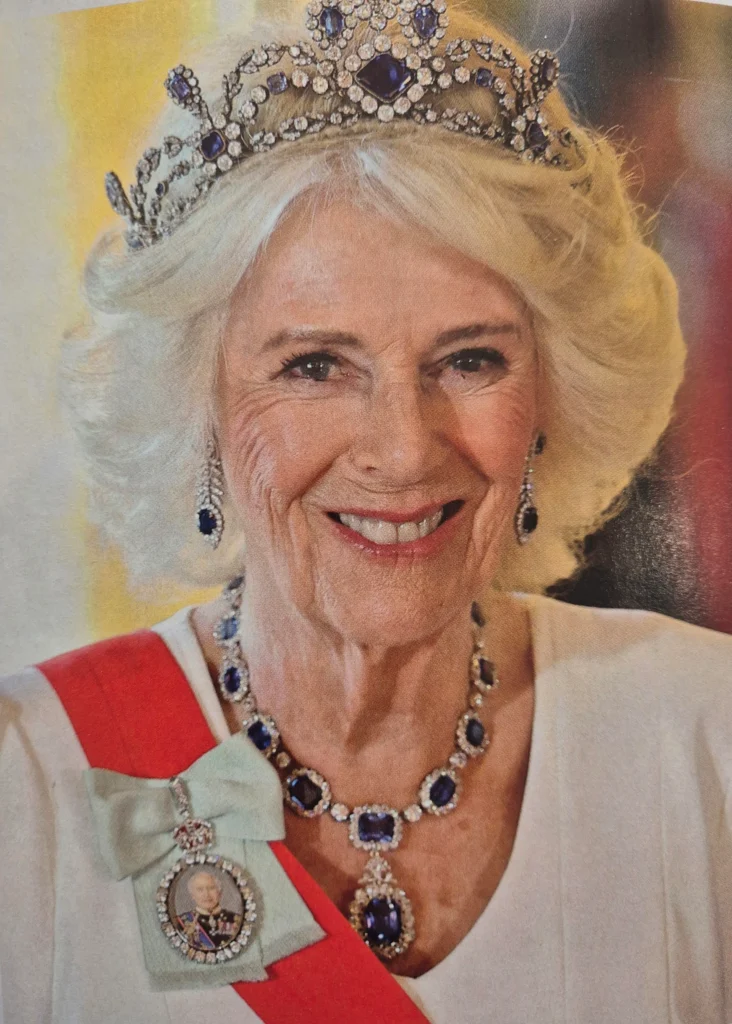
Tait shows how significant this is for Meek and for miniature painting. She wasn’t art-school trained, she started as a nurse, taught herself from a book, rose to lead the Royal Society of Miniature Painters, and won the Prince of Wales Award and an MBE. Now the King has trusted her with a portrait barely an inch across, painted on vellum with a single-bristle brush. It’s careful, old-school British craftsmanship, and this commission puts both the artist and the tradition firmly back in the spotlight.
Liz’s work will be on show again at the Royal Miniature Society’s annual exhibition in London in November 2025, full details are on the society’s website.
Health & Wellbeing
For Health & Wellbeing, Natalie Shanahan takes on the question a lot of non-gym people are quietly asking: what is HYROX? Natalie explains that HYROX is basically the marathon of the gym world, a global, standardised fitness race that anyone can enter, from weekend gym-goers to serious athletes. Founded in 2017 by Christian Toetzke to fill the gap between obstacle races and pure endurance events, it’s now in big cities like London, New York, and Sydney, and this December it returns to ExCeL London with around 40,000 competitors.
The format is simple but brutal: eight workout stations (sled push, sled pull, ski erg, burpee broad jumps, farmer’s carry, sandbag lunges, row, wall balls) broken up by 1 km runs in between. You can race solo or in pairs, and there’s a “Pro” option with heavier weights. Because the workout is the same everywhere, the only variable is you, which is why people get hooked on trying to beat their time from Berlin, Stockholm, or London.
Natalie also notes how HYROX has become a travel-and-train scene, with competitors flying to different cities to race, and how UK events now sell out so fast some venues have had to introduce lotteries. Her piece lands on a very EyeOnLondon note: if you need a winter fitness goal, go and watch it at ExCeL from 4 to 7 December, then decide if you’re brave enough to enter next year.

Following her look at this global fitness phenomenon, Natalie turns her attention inward in The Mind–Muscle Connection: Serious Science or Hocus Pocus? exploring the growing body of research behind a once-dismissed gym myth.
She explains that the mind–muscle connection (MMC) isn’t mystical at all. It’s the simple act of concentrating on the muscle you’re using, which studies now show recruits more fibres, improves strength gains, and boosts growth, even when lifting lighter weights. Drawing on findings by Schoenfeld and Calatayud, she shows how consciously focusing on a working muscle sends stronger brain signals, creating a deeper, more effective workout.
Theatre
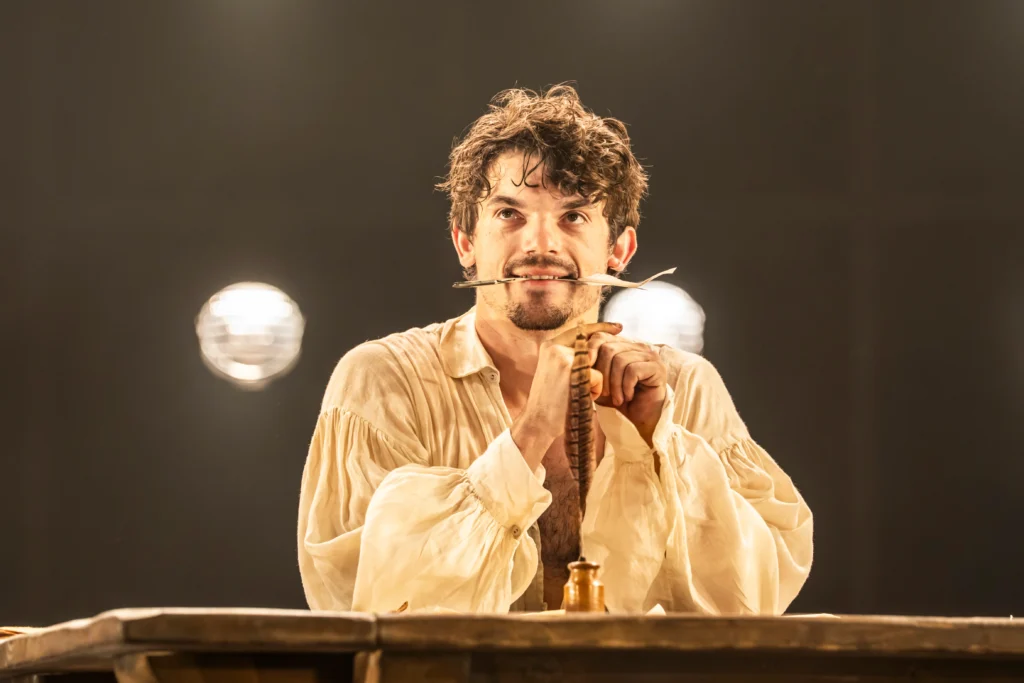
In the theatre pages, John Martin reviews two standout West End productions. First, Every Brilliant Thing, a life-affirming one-woman show starring Sue Perkins, earns rave praise from John for its warmth and wit. It’ll make you laugh and cry, often at the same time. Then he takes on the Royal Shakespeare Company’s sizzling new play Born With Teeth, an Elizabethan romp by Liz Duffy Adams. With Ncuti Gatwa as a punkish Marlowe and Edward Bluemel as a scruffy young Shakespeare, this UK premiere had our critic enthralled with its razor-sharp banter and rock and roll flair.
Travel
In Travel, Mik Pickup offers both a practical look at the latest rules for heading to Europe and a guide to some of the UK’s quirkiest and most imaginative stays. Mike breaks down the new EES and ETIAS systems that every British traveller will soon have to deal with when visiting Europe. The EES, rolling out from 12th October, replaces passport stamps with fingerprint and photo scans, while ETIAS, launching in 2026, will be an online visa-waiver similar to the US ESTA. He explains where to register, how long it lasts, and why the first few months might be slow going at airports. His advice is practical: plan ahead, allow time for the queues, or skip Schengen altogether this winter with easier alternatives such as Turkey, Cyprus, Montenegro, or Cape Verde.
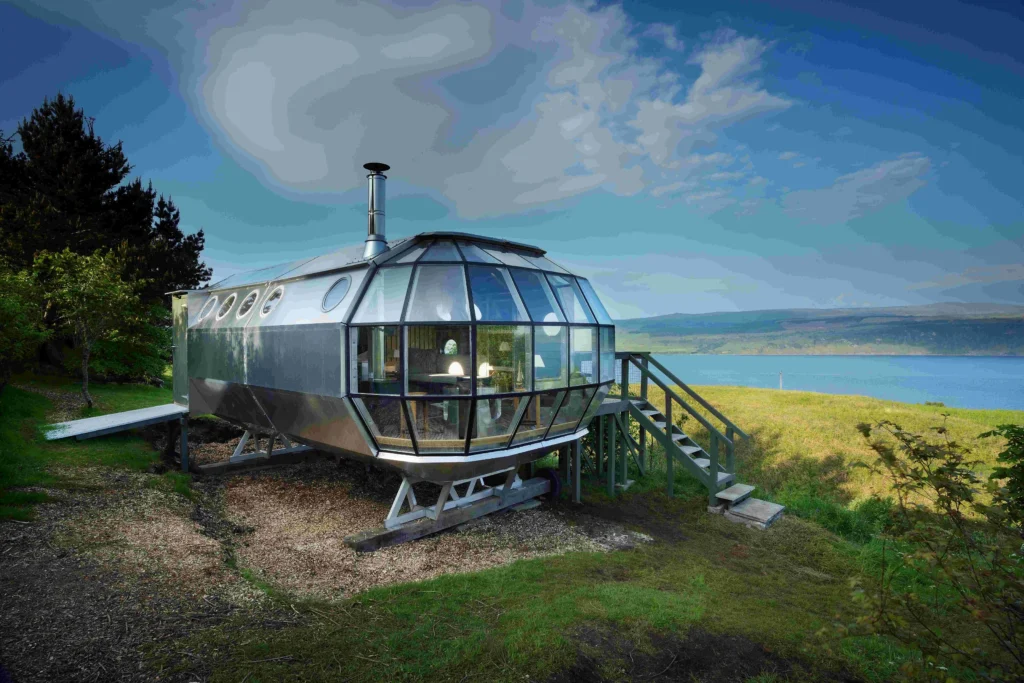
In From Submarines to Sky Huts: The UK’s Quirkiest Stays, Mike rounds up the kind of breaks you’ll want to tell people about. There’s the futuristic Airship pod in the Scottish Highlands, all brushed aluminium and sweeping views over the Sound of Mull, and The Bryn at Capel on the edge of Snowdonia, a 12-bedroom converted inn with its own bar, games room, and cinema. In West Wales, the Sky Hut lets you sleep under the stars thanks to its opening roof, while in Devon, the wood-clad Hush Cabin offers firepits, pizza ovens, and total woodland silence. For coastal escapes, there’s The Little Lookout in Littlehampton, a 1930s coastguard tower turned four-storey bolthole with sea views from every level, and The Old Lighthouse in Norfolk, complete with spiral stairs, luxury bedrooms, and wide North Sea vistas. And for sheer novelty, try HMS Bond on the Isle of Wight, a genuine film prop from The World Is Not Enough that’s now a snug holiday sub with working periscope and trapdoors.
Chess and a Quiet Test of British Nerve
Barry Martin rounds off this edition with a look at the quieter heroism of chess. While Britain’s cultural icons are often measured in paint and poetry, the return of the British Chess Championships to St George’s Hall in Liverpool reminds us that intellect and composure can be just as defining. From Nigel Short’s 1993 world title challenge at The Savoy to Michael Adams’s ninth national victory this year, British chess continues to produce figures of quiet brilliance. Rising players like Lan Yao, Jonathan Pein, and Harry Grieve show that the game’s future is equally bright. As St Louis cements its place as a global chess capital, Barry reminds us that Britain still plays its moves with character, patience, and style.
If this edition speaks to you, stay close to us. Subscribe so you do not miss the next one, and follow EyeOnLondon on Facebook, Instagram, X, LinkedIn, and YouTube for the daily stories we cannot fit into the magazine. The more you read, like, and share, the more London stories we can tell.
Follow us on:



Subscribe to our YouTube channel for the latest videos and updates!

We value your thoughts! Share your feedback and help us make EyeOnLondon even better!