TfL concedes some low traffic schemes have worsened congestion

Transport for London has acknowledged that low traffic neighbourhood congestion has increased in parts of the capital following the rollout of extra bus lanes and traffic filters designed to discourage car use.
The admission came during a session of the London Assembly’s transport committee, where officials were questioned about the cumulative impact of road space changes introduced over the past five years, many of them accelerated during the Covid pandemic.
London News — More from EyeOnLondon
Stories shaping daily life across the capital.
Bus strikes to disrupt south east London routes
February walkouts are set to affect services as unions and operators remain in dispute.
Read the storyMore London News
Water main burst disrupts Kensington and Chelsea
Residents face flooding and road closures after a major burst pipe damages streets.
Read the storyMore London News
Rent controlled homes proposed for key workers
City Hall plans aim to support essential workers struggling with London housing costs.
Read the storyMore London News
TfL has been shifting policy away from accommodating private vehicles as part of a longer-term strategy to ensure that 80 per cent of journeys in London are made on foot, by bike or on public transport by 2041. Measures have included the expansion of bus lanes, the introduction of Low Traffic Neighbourhoods, and charging schemes such as the Ultra Low Emission Zone and the Congestion Charge.
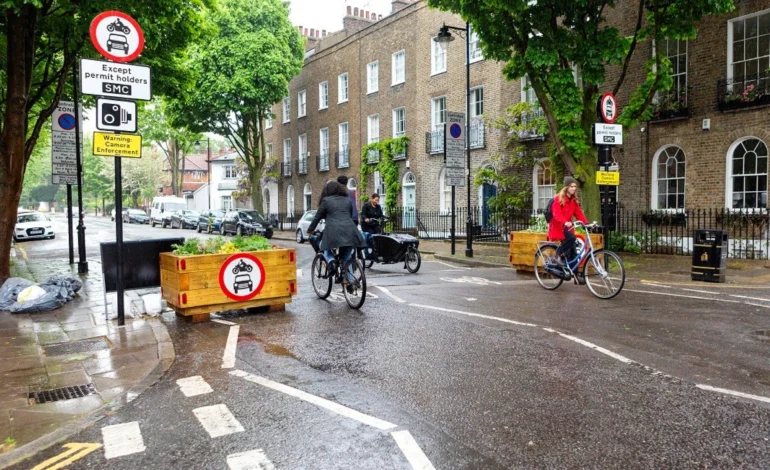
Low Traffic Neighbourhoods, commonly known as LTNs, aim to reduce motor traffic in residential streets using cameras, planters or lockable bollards. Supporters argue that they improve road safety and encourage walking and cycling, while critics say they displace traffic onto main roads.
Appearing before the committee, Carl Eddleston, TfL’s director of streets and network operations, said the impact of LTNs had not been uniform. “In some locations they have added congestion to the local area,” he said, while stressing that “nearly all of them have been huge successes” in terms of safety and active travel.
Eddleston also noted that most LTNs are introduced by individual boroughs rather than TfL itself. “They are on borough roads, so they’re not a TfL decision,” he said, adding that schemes were being reviewed and adjusted following consultation with residents.
The comments come at a time when congestion levels remain a sensitive issue for City Hall. London regularly features near the top of global rankings for slow driving speeds, and data has shown bus speeds falling on some routes despite the expansion of dedicated lanes.
TfL maintains that the long-term effect of reducing car dependency will be fewer vehicles on the road, leading to faster journeys for those who rely on driving for work or accessibility reasons. The Mayor’s office has said meeting London’s net-zero target by 2030 depends on cutting car travel by more than a quarter.
Public guidance on how LTNs are designed and assessed is set out in national transport policy, which outlines how schemes should balance congestion, safety and community impact.
For more reporting on how transport policy affects everyday life across London, follow EyeOnLondon. We welcome your views in the comments.
Follow us on:



Subscribe to our YouTube channel for the latest videos and updates!

We value your thoughts! Share your feedback and help us make EyeOnLondon even better!