Why fashion keeps returning to 2016

There is something faintly unexpected about the 2016 fashion revival arriving just weeks into the new year. Rather than looking ahead, wardrobes appear to be turning back, not in a rush of nostalgia, but with a more measured sense of recognition. The return feels less like a throwback and more like a quiet reassessment.
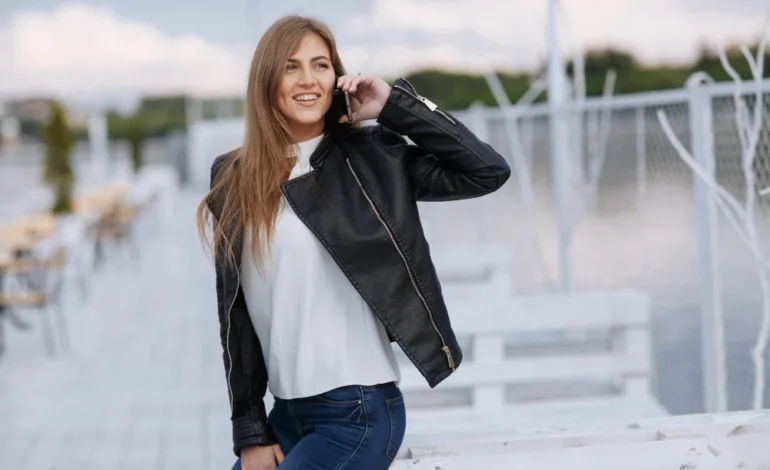
A decade ago, fashion was defined by a group of creative directors whose influence still lingers. Alessandro Michele reshaped Gucci, Hedi Slimane refined his sharply drawn silhouettes at Saint Laurent, and Phoebe Philo brought intellectual restraint to Celine. It was also a moment when street style and luxury moved closer together. Skinny jeans, ankle boots, bomber jackets and ballet flats became everyday shorthand for a certain kind of urban confidence.
What has changed in 2026 is not the silhouette, but the mood. Designers revisiting that period are doing so with caution. The appetite is not for wholesale revival, but for selective return. Clothes are quieter, fabrics softer, and styling less insistent. Fashion has learned the value of pause.
On the runways and in shop windows, familiar items are reappearing with subtle adjustments. Slim-cut denim has edged back into collections, though often worn with looser knits or structured outerwear. Ankle boots, which never truly disappeared, have returned as wardrobe anchors rather than statement pieces. Ballet flats, once sidelined, are now presented as practical and unfussy, reflecting a wider shift towards clothes that fit into everyday life.
Accessories tell a similar story. Structured handbags associated with the mid-2010s are being rediscovered through resale platforms and archive collections. “You can see people searching for pieces they once owned, or wish they had kept,” said one London-based stylist. “There’s a comfort in recognising something that already proved its worth.”
That renewed interest is reflected in the growth of the luxury resale market, where demand for archive pieces has continued to rise. According to analysis published by The RealReal, shoppers are increasingly drawn to established designs with longevity rather than seasonal novelty.
Colour, too, has softened. Pale pink has returned not as a headline shade, but as a counterbalance to darker tailoring and leather. It is used sparingly, offering warmth rather than declaration. Bomber jackets, once embroidered and overt, now appear in relaxed leather and pared-back satin, echoing the original silhouette without its excess.
Footwear offers the clearest example of fashion’s current restraint. Backless loafers, once a cult item, have returned in understated materials. Lace-trimmed slips are worn layered rather than exposed, while skinny scarves are styled as accents rather than centrepieces. Even when the references are clear, the execution is controlled.
For all the talk of revival, this is not about recreating the past. The 2016 fashion revival works because it acknowledges distance. These clothes come back with memory attached, but also with adjustment. They are worn by a generation that understands both their appeal and their limits.
Fashion rarely moves in straight lines. It circles, revisits, and edits. What is emerging now is not a desire to relive a decade ago, but to borrow from it carefully. Familiar shapes offer reassurance in uncertain times. The difference is that this time, fashion seems content to whisper rather than shout.
Follow EyeOnLondon for original fashion and lifestyle features.
[Image Credit | Real Leather Garments]
Follow us on:



Subscribe to our YouTube channel for the latest videos and updates!

We value your thoughts! Share your feedback and help us make EyeOnLondon even better!