War bonds would help defence spending, Lib Dem leader says

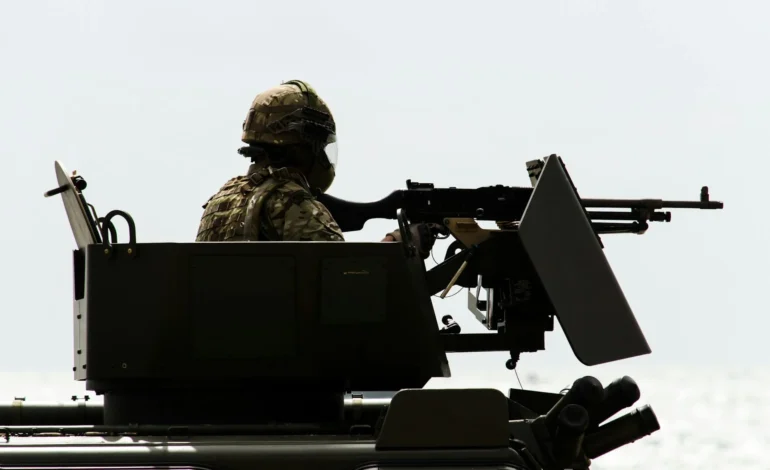
The government should start selling war bonds, the leader of the Liberal Democrats, Ed Davey, said, as there is a need to “move far faster” in the country’s defence spending. Under his party’s plan, members of the public would be able to loan money in the form of bonds for a two-to-three year period, and pay the same in interest as standard government bonds.
According to Davey, war bonds could raise up to £20 billion for the armed forces, giving the public an opportunity to “support patriotically our defence.” New “debt instruments,” a spokesperson for the government said, were kept under review, but they need to provide “value for money” and be “consistent with wider fiscal objectives.”
Calls to raise defence spending have increased in recent years, after the Russian invasion of Ukraine in 2022 and the re-election of Donald Trump as US President. Trump has often criticised NATO members for not spending enough on defence.
“We’re in almost a Cold War type scenario,” Davey told the BBC’s Sunday with Laura Kuenssberg, referring to Russia’s use of drones, submarines, and shadow fleets. “This is a serious threat, and we need to move far faster than what the government has been doing. We need to go rapidly.”
Starmer’s government has vowed to increase defence spending from 2.3% to 2.5% of national income by 2027, costing an additional £6 billion annually. It has also pledged to raise it to 3.5% by 2035, as part of a pledge with NATO members in 2025.
Stay tuned to EyeOnLondon for the latest news and expert opinions.
Follow us on:



Subscribe to our YouTube channel for the latest videos and updates!

We value your thoughts! Share your feedback and help us make EyeOnLondon even better!